My Experience Exploring the Most Historic Viewpoint in St. George’s, Grenada: Fort George
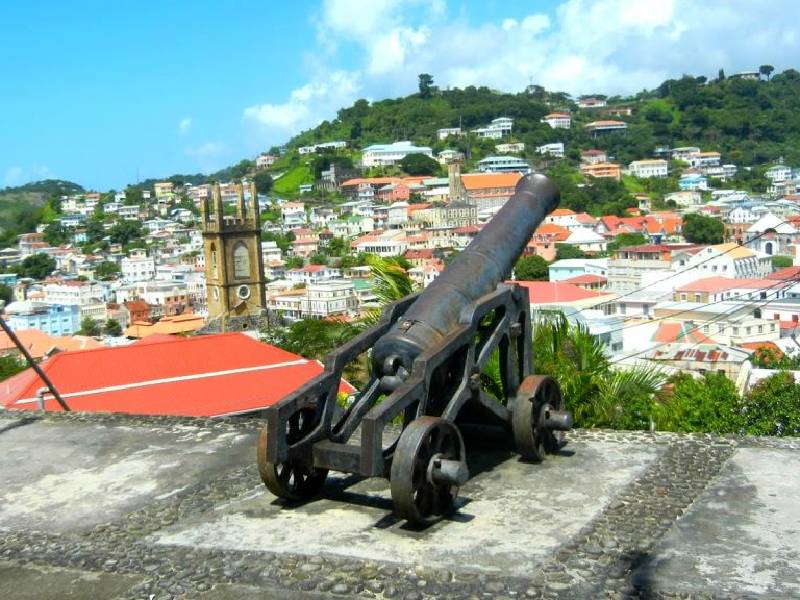
Whenever I stay at Mt. Parnassus Inn in St. George’s, Grenada, I always look for opportunities to experience parts of the island that combine history, culture, and unforgettable scenery. One place that continually stands out is Fort George. Perched high above the colorful rooftops of St. George’s and overlooking the famous Carenage harbor, Fort George is much more than a tourist attraction. It is one of the most important historic landmarks on the island and offers some of the most spectacular panoramic views I have ever seen in the Caribbean. Whether you are interested in Grenadian history, photography, architecture, or simply finding a quiet place to admire the beauty of the island, Fort George deserves a place on your itinerary.
One of the things I appreciate most about staying at Mt. Parnassus Inn is how close I am to many of St. George’s top attractions. From the inn, located at Radix Junction on Mt. Parnassus Road, it only takes a short drive or a quick ride on the #7 bus to reach the capital, making it easy to spend a morning exploring Fort George before returning to relax in the comfort of my apartment. The journey itself is part of the experience, as the winding roads reveal stunning views of the harbor, colorful hillside homes, churches, and bustling streets that make St. George’s one of the most picturesque capitals in the Caribbean.
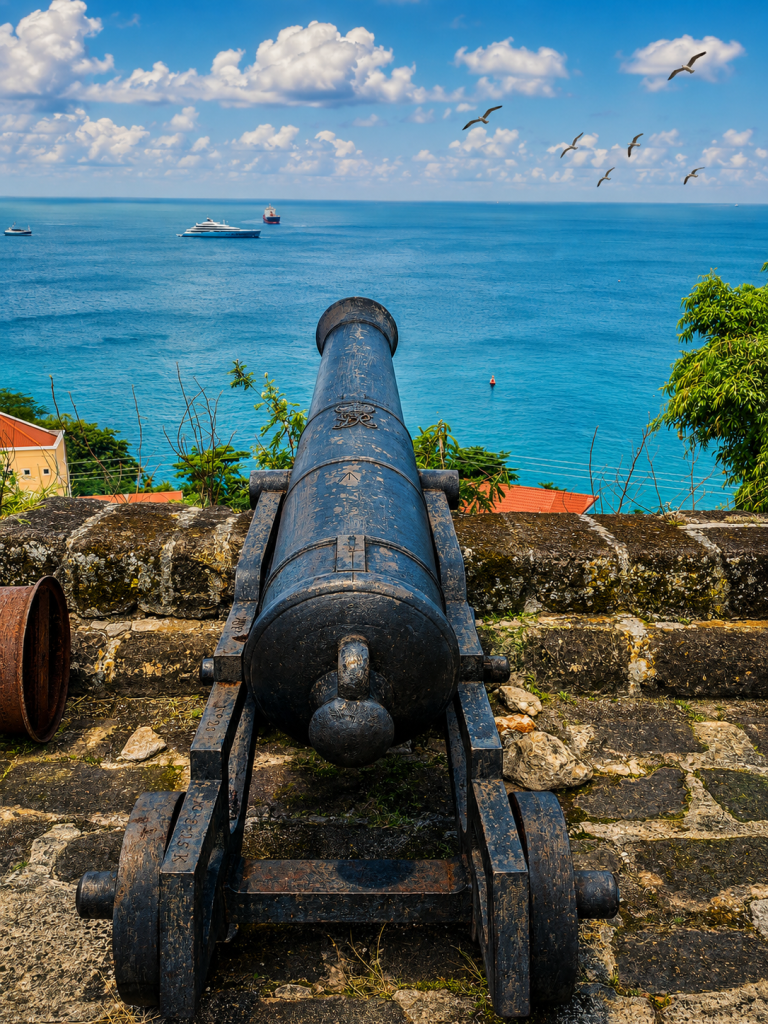
A Living Piece of Grenada’s Colonial History
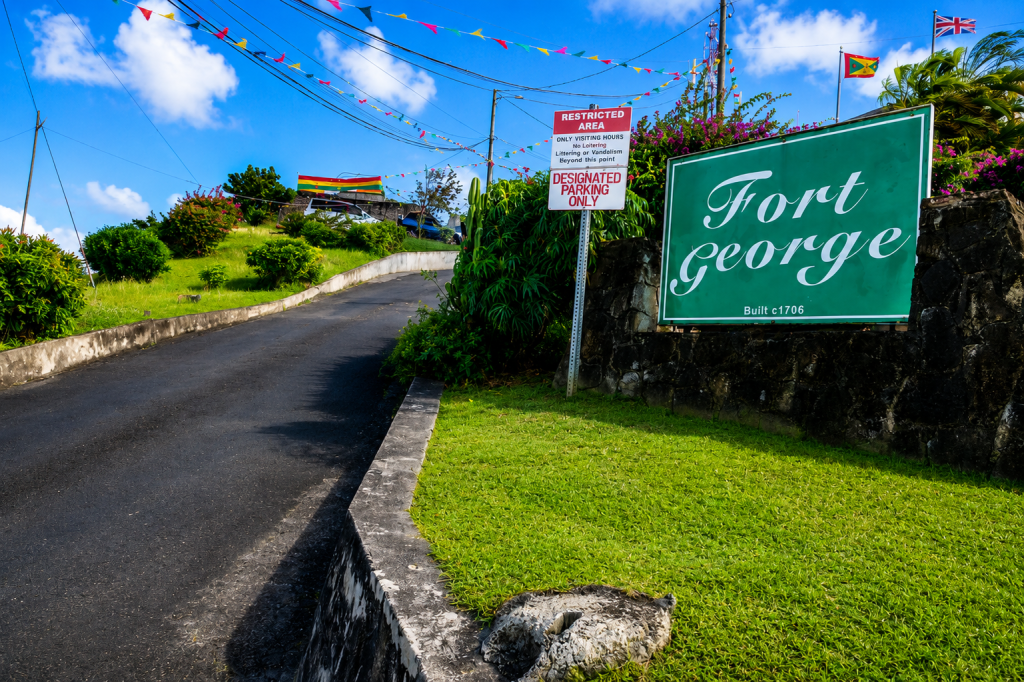
As I approached Fort George for the first time, I immediately understood why it has remained such an important part of Grenada’s landscape for more than three centuries. Originally completed by the French in 1710 and later occupied by the British in 1763 following the Seven Years’ War, the fort has witnessed nearly every major chapter in Grenada’s history. The fort was named after King George III when the British took control, and it served as a critical military installation defending the harbor from naval attacks.
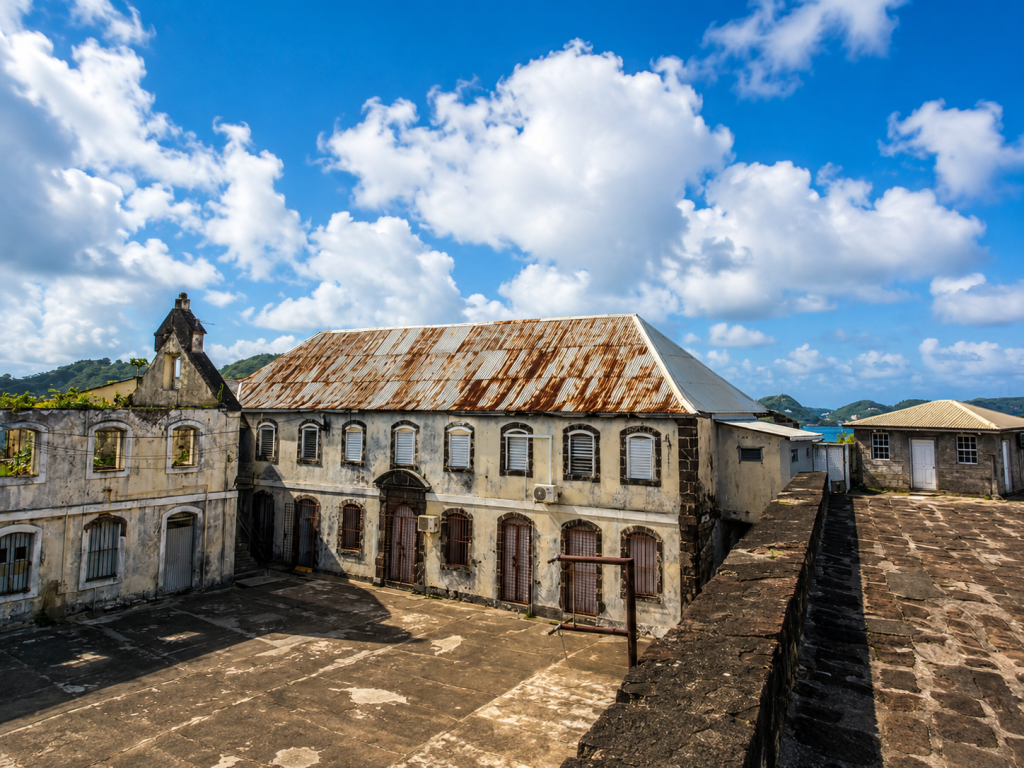
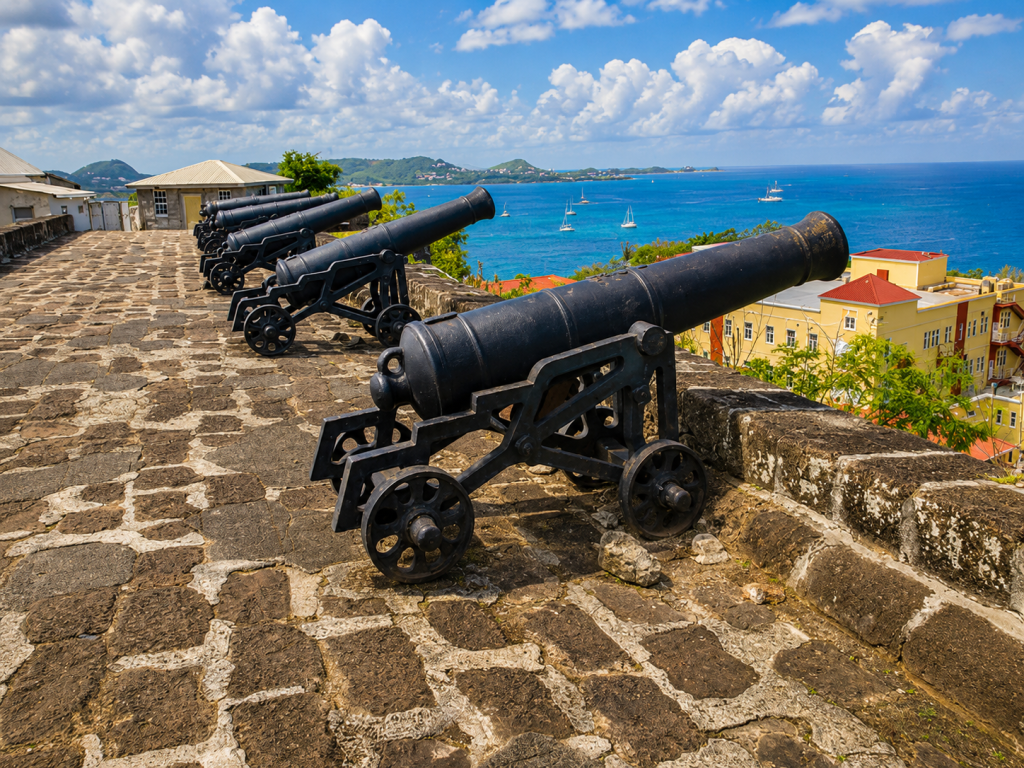
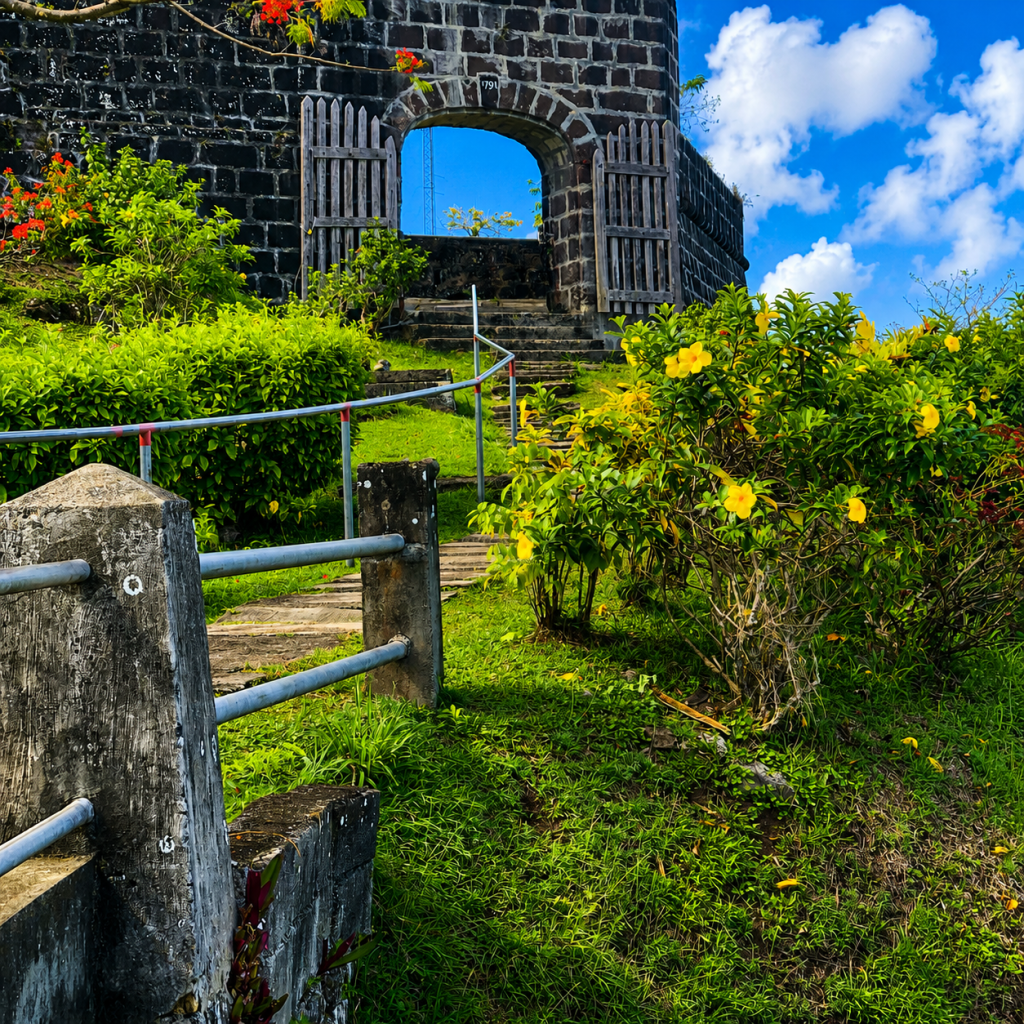
Walking through its stone archways and weathered walls, I could almost imagine the soldiers who once stood watch over the harbor, scanning the horizon for approaching ships. The thick stone walls, old cannons, defensive positions, and winding stairways serve as reminders of a time when control of Caribbean islands was fiercely contested by European powers. The fort’s strategic position on the hill gave defenders an unobstructed view of any vessels approaching the harbor, making it one of the most effective defensive positions in the Caribbean.
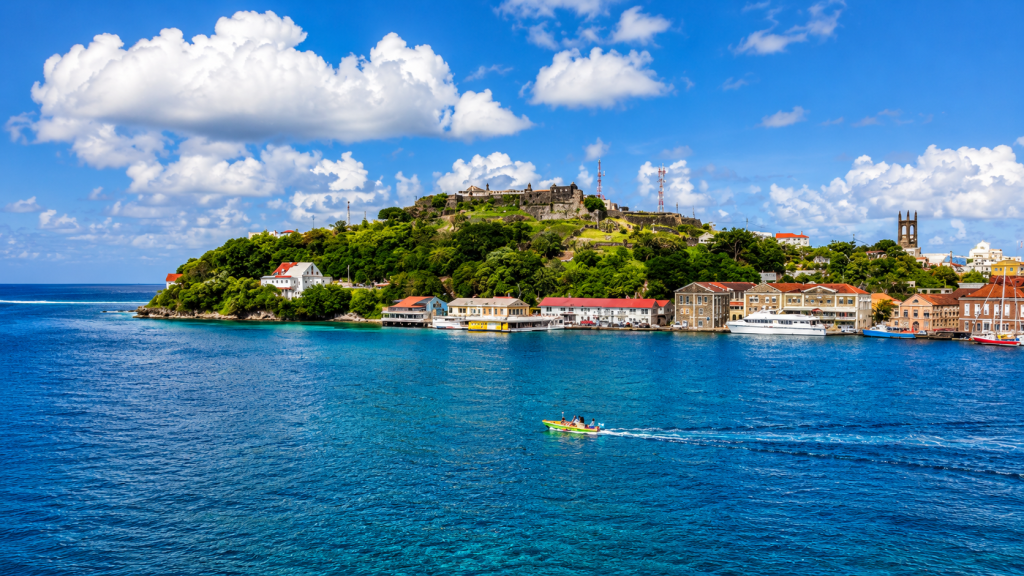
Fort George, Grenada
More Than Colonial History: Fort George’s Role in Modern Grenada
What surprised me most was how much history is packed into such a relatively compact site. Fort George is not simply a relic from the colonial era. It also played a significant role during Grenada’s modern history, particularly during the turbulent years of the Grenada Revolution between 1979 and 1983.
A small memorial plaque marks the location where Prime Minister Maurice Bishop and several of his supporters were executed in October 1983, one of the most significant and tragic events in Grenadian history. Standing there, I found myself reflecting on how one location could hold so many different stories spanning centuries of conflict, change, and resilience. This somber reminder of recent history adds profound depth to the fort’s significance, transforming it from merely a colonial monument into a place where Grenada’s entire national narrative—from French and British colonization through independence and revolution—can be understood.
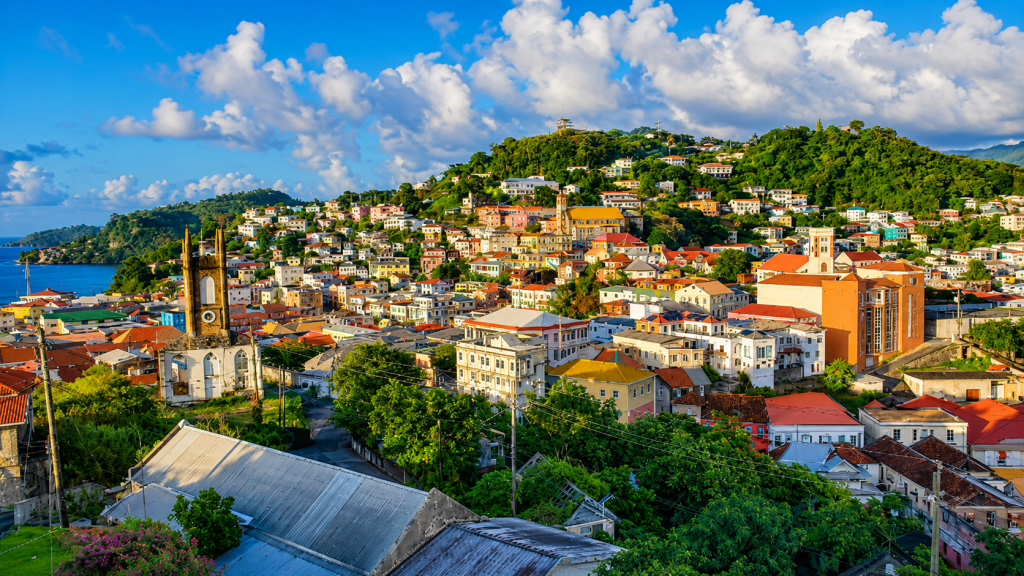
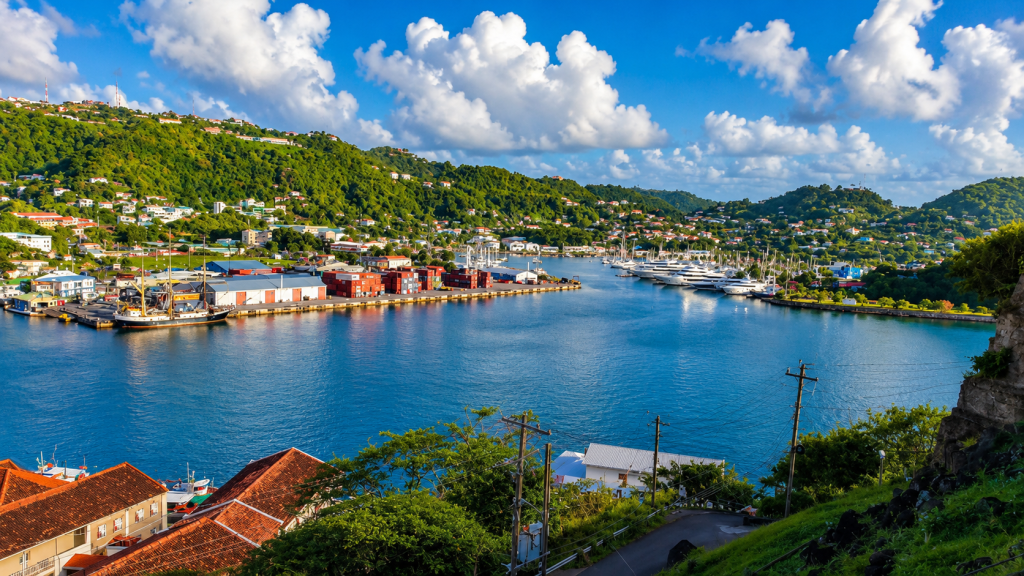
The Views That Make Fort George Unforgettable
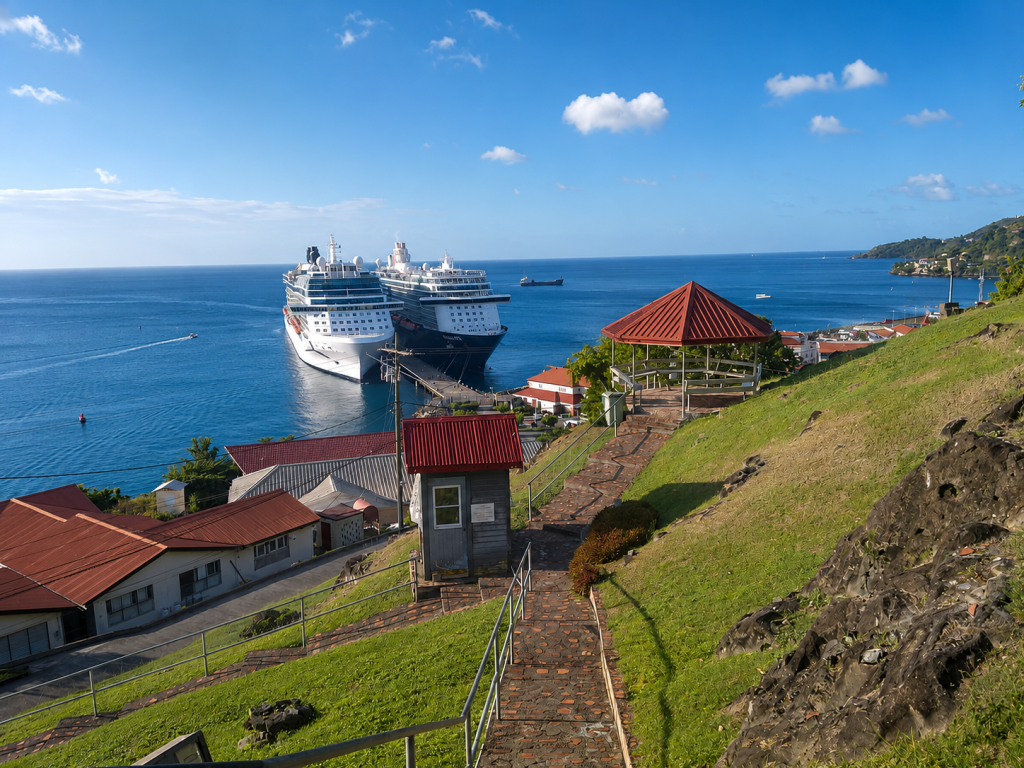
Of course, as fascinating as the history is, the views are what truly make Fort George unforgettable. From the upper ramparts, I enjoyed breathtaking panoramic views in every direction. Looking toward the west, I could see cruise ships anchored in the harbor and the deep blue waters of the Caribbean Sea stretching endlessly toward the horizon. Turning toward the east revealed a completely different perspective, with the horseshoe-shaped Carenage lined with colorful buildings, fishing boats, yachts, and the vibrant activity of downtown St. George’s. On a clear day, the views seem almost endless, making it one of the best photography locations anywhere on the island.
The fort offers panoramic views of the harbor, cruise ship terminal, surrounding hillsides, and portions of southern Grenada, some of the most impressive viewpoints on the entire island. During my visit, I noticed that cruise ship passengers often make the climb as part of their shore excursions, given how close the fort is to the terminal and Carenage.
Getting to Fort George: Walking vs. Taxi
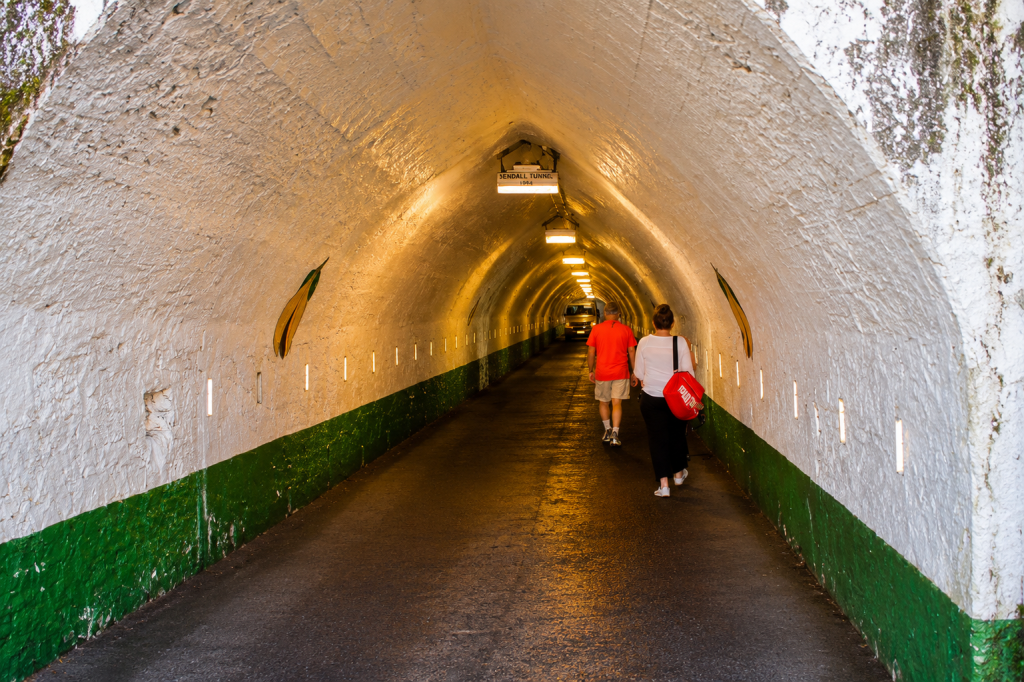
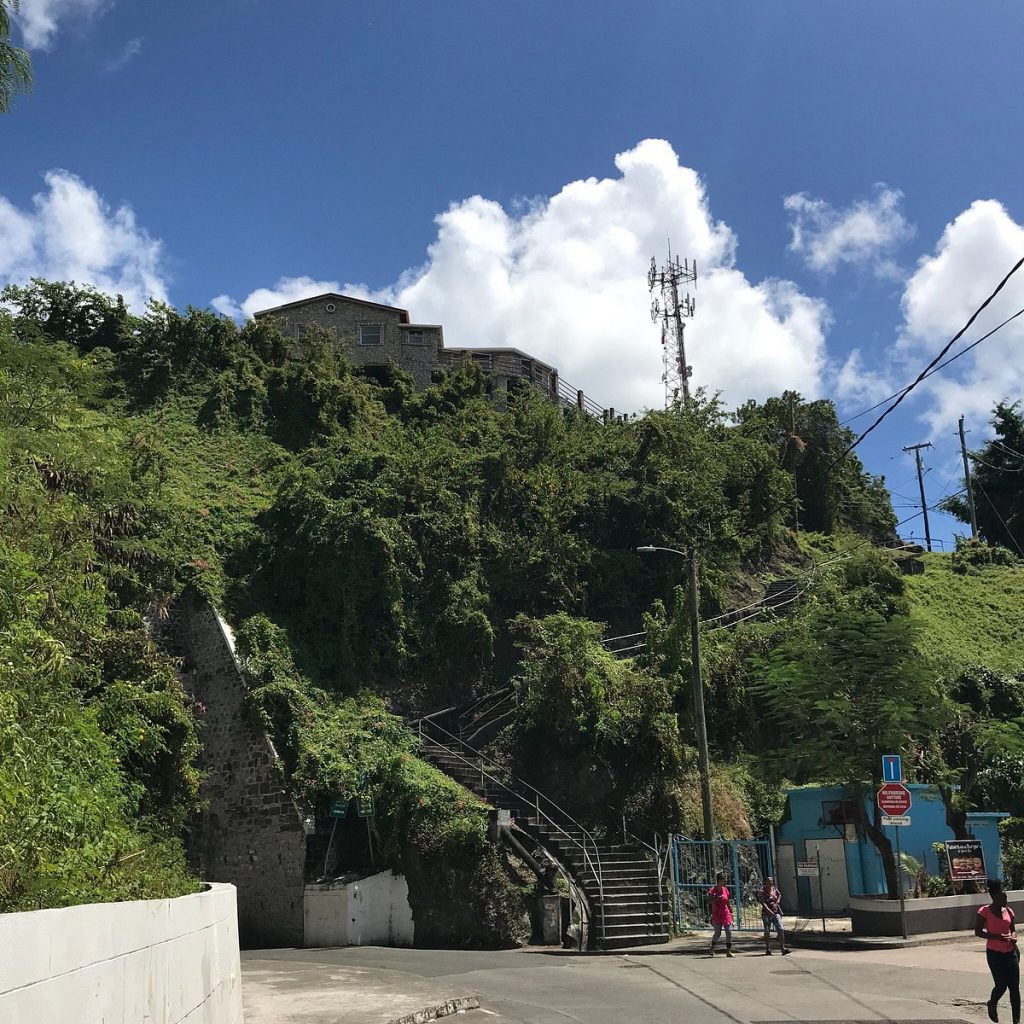
One tip I wish I had known beforehand involves how to reach the fort. Many visitors, including myself, initially assume the only way is by climbing the steep roads and staircases from downtown St. George’s. While that route certainly provides a workout, it is also incredibly rewarding. One particularly scenic route begins near the Sendall Tunnel, only a short distance from the main bus terminal and cruise ship shopping area. As I climbed the narrow pathways and staircases, I was rewarded with increasingly impressive views of the harbor below. Along the way, there are several excellent photo opportunities that many visitors completely miss. One hidden viewpoint near a rocky outcrop features a simple bench overlooking the capital and harbor, making it an ideal place to pause, catch your breath, and take in the scenery.
That said, visitors staying at Mt. Parnassus Inn who prefer a less strenuous journey can easily take a taxi directly to the entrance. After completing the climb myself, I quickly realized that the taxi option would have been significantly easier, although I certainly appreciated the exercise and the extra sightseeing opportunities along the route. Comfortable walking shoes are highly recommended, especially for anyone planning to explore the fort on foot. The paths can be steep, and the tropical heat can make the climb more challenging than it appears.
For those climbing, I recommend starting early in the morning (around 8–9 AM) when the heat is less intense and the light is perfect for photography. The climb typically takes 15–20 minutes from the Carenage, depending on your pace.
A Peaceful Historic Site
The fort itself is surprisingly peaceful. Unlike some historic attractions that feel overcrowded or overly commercialized, Fort George maintains a quiet atmosphere that encourages exploration. I spent nearly two hours wandering through the grounds, reading historical information, admiring the architecture, and taking photographs from various viewpoints. Because the site sits high above the city, there is usually a refreshing breeze that makes even warm days comfortable.
The fort’s relatively compact size means you won’t feel overwhelmed, but there’s enough to explore to keep you engaged. You’ll find several cannon positions, defensive walls, and interpretive signs that help contextualize the fort’s military significance. The stone architecture, with its weathered surfaces and archways, provides a tangible connection to the 18th-century engineers who built it.
Golden Hour at Fort George
One of my favorite moments occurred late in the afternoon when the sunlight began illuminating the colorful buildings below. The reds, blues, yellows, and greens of St. George’s seemed to glow against the backdrop of the harbor and surrounding hills. It became easy to understand why photographers, cruise passengers, and returning visitors consistently rank Fort George among Grenada’s most rewarding attractions. The changing light throughout the day creates completely different views, making every visit unique.
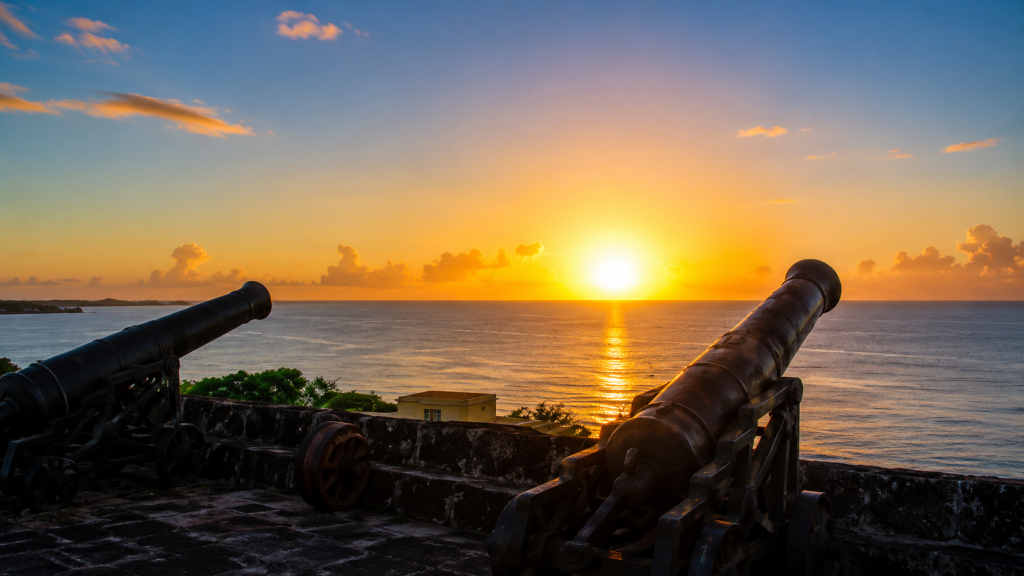
I recommend visiting during golden hour (approximately 5–6 PM, depending on the season) when the warm sunlight casts a magical glow over the entire capital. The colorful waterfront buildings of the Carenage look particularly stunning from this vantage point, and the harbor activity fishing boats returning, yachts anchored, and cruise ships departing- creates a dynamic backdrop.
Fort George as Your Introduction to Grenada
For guests staying at Mt. Parnassus Inn, Fort George also provides an excellent introduction to the island. Before visiting beaches, waterfalls, spice plantations, and other attractions, I found that standing atop the fort gave me a better understanding of Grenada’s geography and history. Looking out over the harbor, the surrounding neighborhoods, and the distant coastline helped me appreciate how interconnected the island’s natural beauty and historical significance truly are.
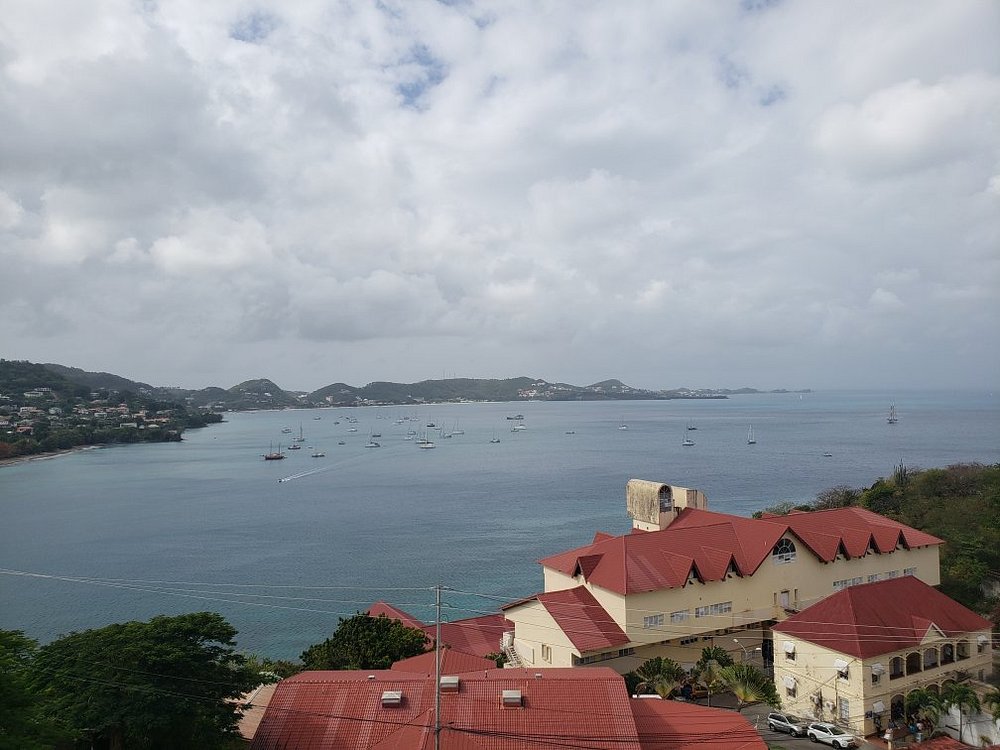
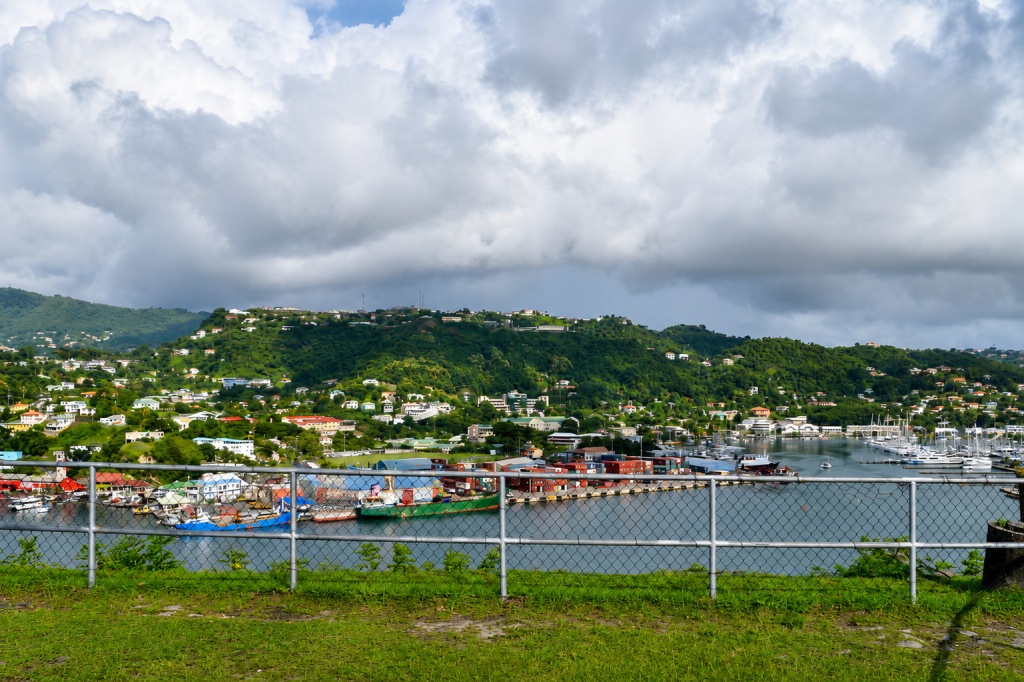
The fort’s location provides a perfect overview of St. George’s harbor, the downtown area, and the surrounding hills, helping visitors understand why this capital was considered so strategically important by European powers. From this vantage point, you can also see the kite beach, Grand Anse in the distance, and parts of southern Grenada, giving you a sense of the island’s layout before you explore further.
Practical Information for Visitors
The entrance fee is modest, making Fort George one of the best values among Grenada’s attractions. For just a few dollars, visitors gain access to centuries of history, world-class views, and one of the most important landmarks in the country. Whether you spend thirty minutes or several hours exploring, the experience offers far more than the admission price suggests.
Quick Facts:
- Location: Mount above St. George’s, overlooking the Carenage
- Built: 1710 by the French, occupied by the British in 1763
- Named After: King George III (British occupation)
- Best Time to Visit: Early morning (8–9 AM) for cooler weather or late afternoon (5–6 PM) for golden hour photography
- Climb Time: 15–20 minutes from the Carenage
- What to Bring: Comfortable walking shoes, water, camera, sunscreen
- Nearby Attractions: Sendall Tunnel, Market Square, The Carenage, Fort Frederick (another historic fort nearby)
A Highlight Worth Every Step
Looking back, Fort George became one of the highlights of my stay in Grenada. It offered a perfect combination of history, culture, exercise, and scenery, all within easy reach of Mt. Parnassus Inn. Whenever friends ask me for recommendations on what to see in St. George’s, Fort George is always at the top of my list. It is a place where Grenada’s past and present come together, where every stone tells a story, and where some of the finest views in the Caribbean await anyone willing to make the climb.
Whether you’re a history enthusiast fascinated by colonial military architecture, a photographer seeking the island’s best viewpoints, a cultural traveler wanting to understand Grenada’s complex history, or simply someone who appreciates breathtaking scenery, Fort George delivers an experience that resonates deeply. The fort reminds us that Grenada’s story is far richer than its spice plantations and beaches alone; it’s a nation shaped by centuries of struggle, resilience, and ultimately, independence.
From my apartment at Mt. Parnassus Inn, with its own iconic view of St. George’s, Fort George feels like a natural extension of that same panoramic beauty; a place where I can walk through history while standing at the very spot where that history unfolded.