Why Visit Grenada?
Grenada is more than just a beautiful beach getaway. It’s a cultural treasure trove with colorful traditions, colonial history, and magnificent landscapes. The island’s size makes it easy to visit, yet it’s diverse enough to seem like numerous locations in one: jungle hikes, medieval forts, chocolate estates, and underwater sculptures, to name a few of the activities available.
When to Go
Grenada enjoys warm tropical weather year-round, with average highs around the mid-80s °F.
- High season is from mid-December to mid-April; this is when rainfall is lowest and tourist activity peaks.
- Shoulder months like November and May can be a smart bet, offering fewer crowds and occasional brief showers.
- Be mindful that the rainy season, which lasts from June to November, brings more rain, yet it is also when you will find some calm locations and, on occasion, lower accommodation rates.
Getting Around
- Car rental: Many visitors choose to rent a car, especially if you want to explore beyond the capital. (Some vacationers say local taxis are pricey; public buses are cheaper but slower.)
- Taxis and private drivers: These are good for day excursions. In many cases, you can hire a driver who customizes your route to include sites like waterfalls, plantations, and historic spots.
- Boats: For island-hopping (to places like Carriacou) or accessing underwater attractions, boats are key.
Must-See Destinations & Activities
1. Grand Anse Beach
This two-mile stretch of fine white sand and lovely, tranquil water is perhaps Grenada’s most famous beach. It’s ideal for swimming, relaxing, or visiting beachfront restaurants and bars.
2. Grand Étang National Park & Lake
Grand Étang, located in the island’s interior, is a volcanic crater lake set in a rainforest reserve. It’s ideal for hiking, bird watching (look for native species like hummingbirds and tanagers), and reconnecting with nature.
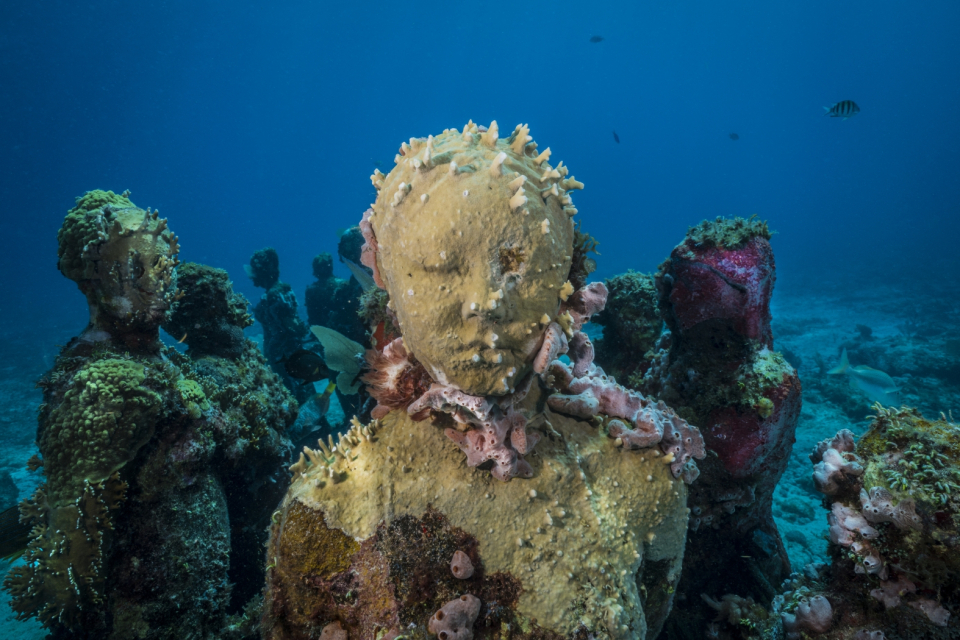
3. Molinere Underwater Sculpture Park
Over 60 life-size concrete sculptures lay on the ocean floor right off Molinere Bay, making this one of Grenada’s most unusual attractions. Jason deCaires Taylor created sculptures that promote coral growth and marine life. Snorkeling, diving, and glass-bottom boat cruises make this possible for many tourists.
4. Fort George, St. George’s
Fort George is a historic fort overlooking Grenada’s capital, St. George’s. Built by the French in the early 1700s and later renamed under British rule, it offers panoramic views of the harbor. The site also has political significance: during turbulent times, it was renamed and later restored.
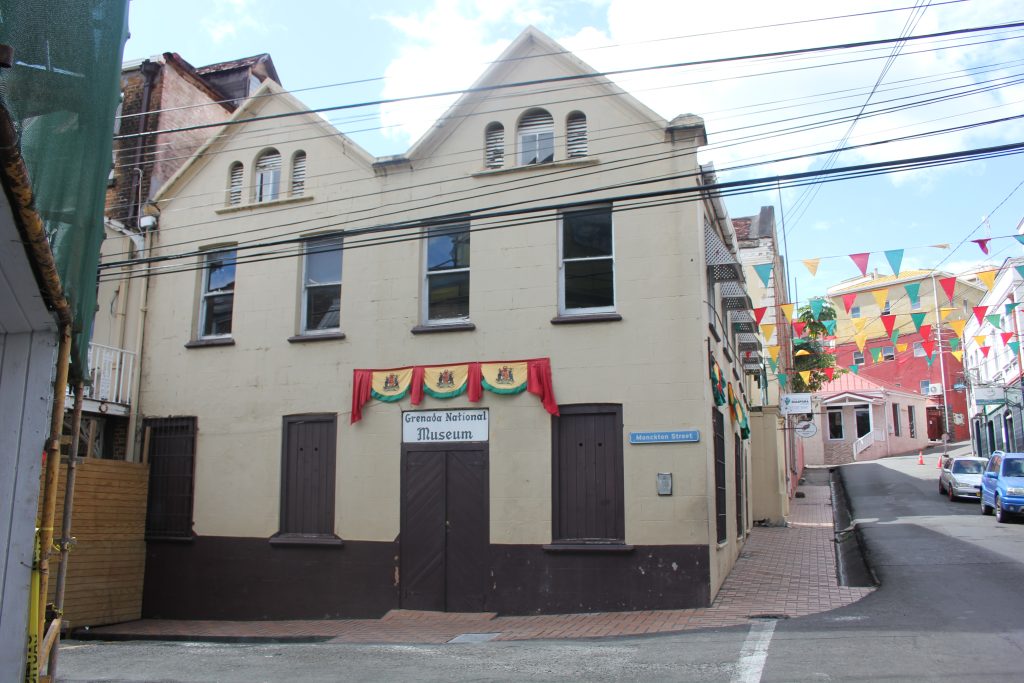
5. Grenada National Museum
The St. George’s museum is housed in a former French barracks and hotel complex. Exhibits focus on Grenada’s Indigenous peoples, colonial history, slavery, and even local items such as an old rum still. The museum contextualizes the island’s story in a thoughtful and accessible manner.
6. Immaculate Conception Cathedral
This Gothic-style Catholic cathedral, located above the port at St. George’s, provides both architectural beauty and spiritual tranquility. It was reconstructed after storm damage and is a pleasant place to think or simply enjoy the panoramic views.
7. Spice & Chocolate Tours
Grenada’s soul is inextricably linked to its spice and cocoa industry. Visit plantations (such as the Belmont Estate) to learn about nutmeg, cinnamon, and cocoa production. The island has numerous bean-to-bar chocolate makers, and excursions include tastings, hands-on demonstrations, and an inside look at sustainable agriculture.
8. Waterfalls and Nature
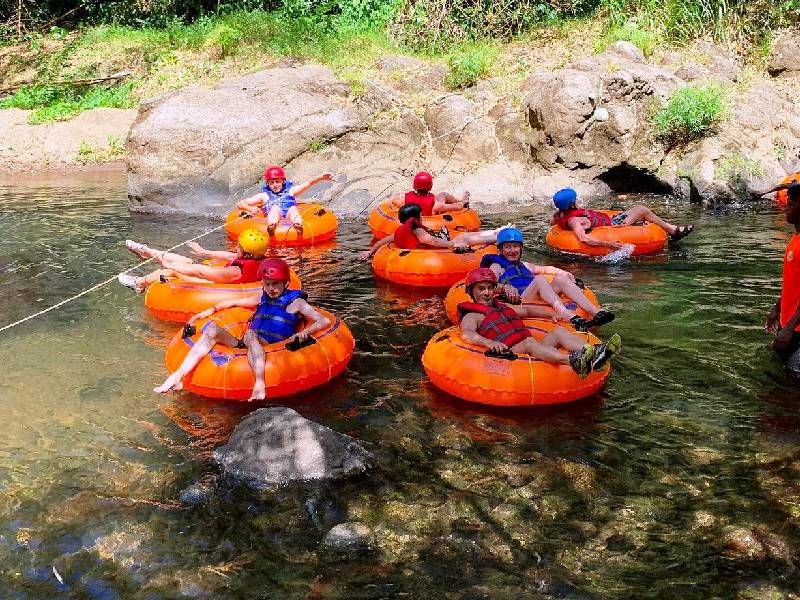
Grenada has more waterfalls besides Grand Étang. Concord Falls, for example, contains many cascades, some of which are accessible via easy pathways, while others require more adventurous hiking. Nature trips frequently include rainforest treks, birdwatching, and the opportunity to see wild monkeys.
9. Levera National Park
Levera National Park, located on the northeastern coast, features rough landscape, a calm beach, and a brackish pond. It’s one of the most off-the-beaten-path destinations, ideal for birdwatchers and anyone looking to avoid the throng.
10. Carriacou & Petite Martinique
These sister islands, part of Grenada, feel more low-key and bohemian. Their beaches are serene, and the pace of life is slower than the main island. Boat rides between the islands let you soak in marine beauty, while small local villages offer cultural insights away from tourist areas.
Cultural Experiences
- Spicemas Carnival: Held in August, this is Grenada’s vibrant, colorful carnival with soca, calypso, elaborate costumes, and traditional “jab jab” dancers.
- Local markets: In St. George’s, you’ll find bustling spice markets where locals trade nutmeg, cinnamon, and other produce.
- Music & food: Grenadian cuisine is known for its robust flavors, including fiery stews, fresh fish, and rich chocolate desserts. Live music, particularly reggae and steel pan, is frequently played during evening meals.
Practical Tips
- Language: English is the official language, so communication is often simple for English-speaking visitors.
- Currency: The Eastern Caribbean dollar (XCD) is used, but US dollars are widely accepted.
- Safety: Grenada is considered relatively safe; as in all travel, take basic precautions, especially when venturing off the beaten path.
- Health: No special vaccinations are required for most travelers, but it’s wise to check with your health provider. Stay hydrated, especially if hiking inland.
- Sustainability: Choose eco-tours and support locally owned companies. Grenada has several sustainable tourism alternatives, ranging from cocoa farms to conservation-focused dive cruises.
Sample 5-Day Plan
Day 1: Arrival and settle in at Grand Anse. Relax on the beach and enjoy dinner by the sea.
Day 2: Visit St. George’s: explore Fort George, walk through town, check out the Grenada National Museum and the Cathedral.
Day 3: Head inland to Grand Étang National Park for hiking, birdwatching, and nature photography.
Day 4: Take a boat trip to Molinere Bay for snorkeling or diving at the Underwater Sculpture Park.
Day 5: Tour a spice plantation and a chocolate factory. End with a relaxing sunset on a quieter beach, or take a short trip to Levera or Carriacou, depending on your mood.
Why Grenada Stands Out
- Unique Cultural Identity: Grenada’s spice and cocoa heritage gives it a sensory richness that makes it more than just a pretty island.
- Ecotourism Leader: From rainforest reserves to its underwater sculpture park, Grenada merges art and ecology in a way few islands do.
- Authentic Caribbean Experience: Instead of large cruising ports and resorts everywhere, Grenada balances popular tourist spots with serene hidden corners.
- Friendly & Welcoming: Locals are known for being friendly and genuine; you’re not just visiting a place, you’re experiencing a way of life.
Final Thought: Whether you’re a beach lover, a history buff, a foodie, or an explorer, Grenada beckons you to calm down, breathe in its scents, and discover its various layers. It’s more than simply another Caribbean island; it’s a location that nurtures both the spirit and the senses. Pack your baggage, but don’t forget about your curiosity.