What Is the XCD (Eastern Caribbean Dollar)?
The Eastern Caribbean Dollar, commonly abbreviated as XCD and often symbolized as EC$, is the official currency used by eight island nations in the Eastern Caribbean region. The XCD is managed by the Eastern Caribbean Central Bank (ECCB) and has been pegged to the U.S. dollar at a fixed rate since 1976, which helps maintain remarkable economic stability across these nations. The currency’s numeric code is 951, and while it uses the simple “$” symbol like many dollar currencies, it is most commonly written as EC$ to distinguish it from other dollar-denominated currencies. The Eastern Caribbean dollar is subdivided into 100 cents and has existed since 1965, when it supplanted the British West Indies dollar, making it among the oldest currencies in the Caribbean region still in active use.
The history of the XCD reveals a fascinating evolution of Caribbean monetary cooperation. Before the introduction of the Eastern Caribbean Dollar in 1965, the region used the British West Indies dollar, which was tied to the British pound sterling. The Eastern Caribbean Currency Authority controlled the initial issuance of the Eastern Caribbean dollar and pegged its value at 4.8 XCD to 1 GBP. However, in 1976, a pivotal change occurred when the currency authority re-pegged the Eastern Caribbean dollar to the U.S. dollar at a rate of 2.7 XCD to 1 USD. This decision proved transformative, as the peg to the region’s main trading partner, the United States, afforded stability and confidence in the purchasing power of the EC dollar. The Eastern Caribbean Central Bank, established in 1983, subsequently took over the issuance of the currency from the Eastern Caribbean Currency Authority, leaving the U.S. dollar peg in place and strengthening monetary coordination among member states. Today, the XCD is recognized as one of the strongest and most stable currencies in the Caribbean, with as of September 2022, 1 XCD equaling approximately USD $0.37, emphasizing its enduring stability in the region.
The physical currency itself is a testament to international collaboration in manufacturing. De La Rue Currency in the United Kingdom prints banknotes for the Eastern Caribbean Currency Union (ECCU), while the Royal Mint in Canada mints the coins. This international partnership ensures high-quality, secure currency that meets modern standards while maintaining the traditional aesthetic that Caribbean residents recognize and trust. Currency is put into circulation through issuance to commercial banks, based on the demand for currency by the public. This demand is influenced by numerous factors, including seasonal patterns of consumer spending such as carnival celebrations and Christmas holidays, when currency circulation typically increases significantly across all member territories.
XCD – Eastern Caribbean dollar currency calculator
XCD Currency Calculator
Convert Eastern Caribbean Dollars (XCD / EC$) to USD, GBP, CAD, or EUR.
How the Eastern Caribbean Dollar (XCD) Functions
The Eastern Caribbean Dollar serves as the official currency for eight member countries of the Eastern Caribbean Central Bank, which operates within the broader framework of the Organization of Eastern Caribbean States (OECS), an economic and monetary union established in 1981 to harmonize economic and trade policies among the ten islands located in the Eastern Caribbean. While ten countries participate in the OECS, only eight of these participating countries actually use the XCD as their official currency. The ECCB's mandate covers regulation of liquidity throughout its member states, as well as the promotion of economic and monetary stability through support of economic development and maintenance of a sound financial structure. The bank views its dollar peg as a primary means to maintain price stability throughout the region and keep inflation in check, which has proven remarkably successful over nearly five decades.
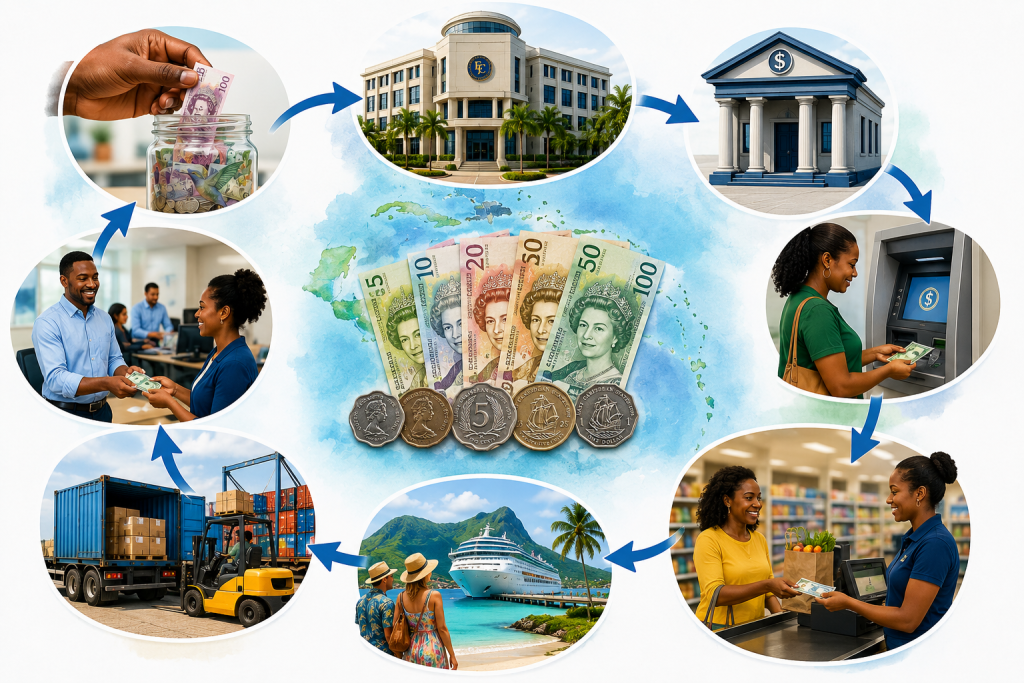
The fixed exchange rate system provides significant benefits for both the regional economy and tourists visiting the area. The EC dollar has been pegged to the US dollar at a rate of XCD 2.70 to USD 1.00 since 1976, creating a predictable financial environment that benefits commerce and tourism alike. Tourists find it easier to budget for their trips, knowing that the cost of goods and services remains consistent regardless of when they visit. This predictability helps local businesses thrive, as they can attract more visitors without the fear of losing customers to currency fluctuations. The stability also encourages foreign investment and makes international trade more predictable for businesses operating across the eight member nations. Travelers should be aware that while the official peg is 2.70 XCD to 1 USD, actual exchange rates at local banks may vary slightly; for instance, at the time of this writing, the Co-OP Bank in Grenada offers an exchange rate of EC$2.67 to $1 USD, providing slightly better value for those exchanging currency locally.
Despite the varied currencies throughout the broader Caribbean region, global currencies like the USD and EUR are widely accepted in tourist areas, particularly in hotels, resorts, and establishments catering to international visitors. However, for everyday transactions at local markets, small shops, restaurants, and when using public transportation, the Eastern Caribbean Dollar remains essential and is the preferred currency. Visitors staying at accommodations like Mt. Parnassus Inn in Grenada will find that while some tourist-oriented businesses may accept U.S. dollars, paying in XCD typically provides better value and is appreciated by local vendors. The currency's stability also means that visitors don't need to worry about sudden exchange rate changes affecting their travel budget, making the Eastern Caribbean a particularly attractive destination for travelers seeking financial predictability alongside natural beauty and cultural richness.
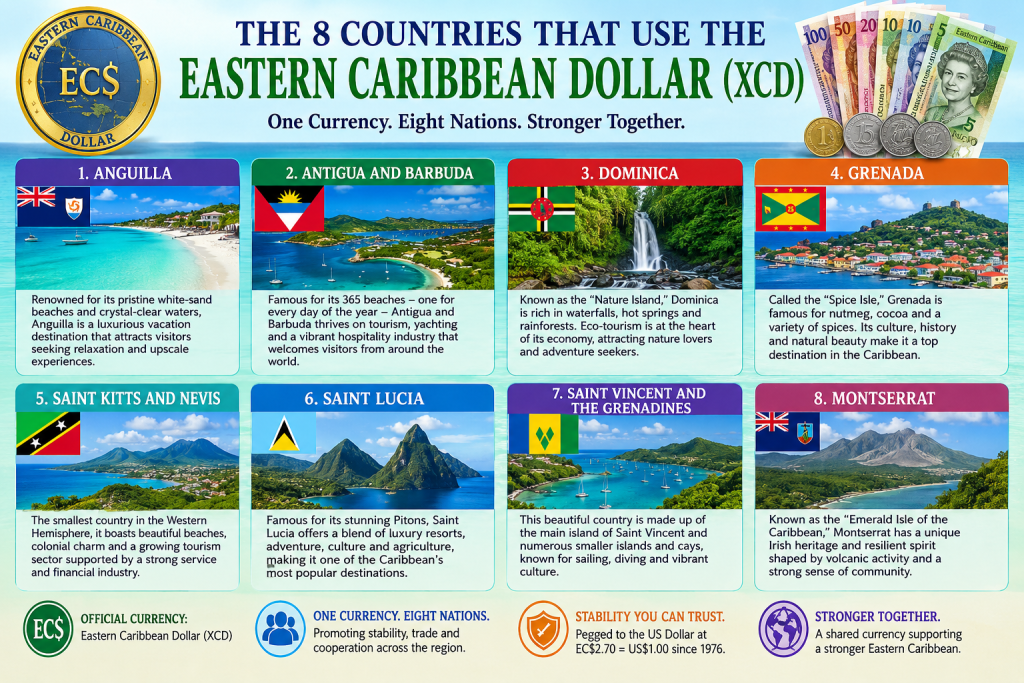
8 Countries Using the XCD (Eastern Caribbean Dollar)
The countries that use the Eastern Caribbean Dollar represent some of the most beautiful and culturally rich destinations in the Caribbean, each with its own unique character while sharing this common monetary foundation. Antigua and Barbuda, known for its beautiful beaches and world-class resorts, is a twin-island nation that relies heavily on tourism as the cornerstone of its economy. The country boasts 365 beaches, one for every day of the year, and has developed into a premier luxury destination while maintaining its traditional Caribbean charm. The twin islands offer visitors pristine white-sand beaches, crystal-clear waters, luxurious resorts, and a rich historical heritage dating back to colonial times, with significant British influence still evident in the culture and architecture.

Dominica, often referred to as the "Nature Island" of the Caribbean, distinguished itself by focusing on eco-tourism rather than the mass tourism model prevalent throughout the region. This lush, volcanic island features incredibly diverse landscapes including rainforests, boiling lakes, pristine rivers, and over 300 rivers crisscrossing its terrain. Dominica's commitment to preserving its natural environment has created unique opportunities for adventurous travelers seeking hiking, birdwatching, diving at underwater volcanic formations, and experiencing one of the Caribbean's most intact ecosystems. The island's emphasis on sustainability and environmental conservation has earned it international recognition as a model for eco-tourism development.
Grenada, known as the "Spice Island," produces nutmeg, cinnamon, cocoa, and other precious spices that have made it famous worldwide, attracting visitors interested in its rich agricultural heritage and authentic Caribbean culture. Beyond its spice production, Grenada boasts stunning natural beauty including pristine beaches, cascading waterfalls like Concord Falls, lush rainforests, and the historic capital of St. George's, often called one of the most picturesque harbors in the Caribbean. The island's unique combination of agricultural traditions, natural beauty, and historical significance creates a travel experience that feels both authentic and remarkably diverse. Mt. Parnassus Inn visitors to Grenada can explore spice plantations, visit historic forts like Fort George, swim beneath waterfalls, and experience the genuine warmth of Grenadian hospitality.
Saint Kitts and Nevis, the smallest country in the Western Hemisphere, features beautiful beaches, dormant volcanic mountains, and a rapidly growing tourism sector that has transformed the nation into an increasingly popular destination. The twin-island federation offers visitors dramatic landscapes ranging from lush rainforests to pristine coastal waters, along with historic sugar plantations converted into luxury resorts. Saint Kitts, the larger island, features an internationally recognized marina and growing infrastructure, while Nevis maintains a more relaxed, traditional Caribbean atmosphere with its charming colonial town and pristine beaches. The country's strategic investments in tourism infrastructure have positioned it as an emerging gem in the Eastern Caribbean.
Saint Lucia is famous for its stunning双 peaks known as the Pitons, which rise dramatically from the Caribbean Sea and have become one of the most photographed landmarks in the entire region. This popular destination for vacationers offers a perfect mix of tourism and agriculture, with visitors enjoying luxury resorts, world-class diving, hiking trails through volcanic landscapes, and authentic Caribbean cuisine. The island's unique geological features, including volcanic hot springs, mud baths, and lush rainforests, create diverse experiences for travelers seeking both relaxation and adventure. Saint Lucia's commitment to balancing tourism development with environmental preservation has maintained its reputation as one of the Caribbean's most beautiful and authentic destinations.
Saint Vincent and the Grenadines consists of more than 30 islands and is known for its breathtaking scenery, vibrant culture, and unspoiled natural beauty that has attracted discerning travelers seeking authentic Caribbean experiences. The main island of Saint Vincent features active volcanoes, dense rainforests, and historic sites, while the Grenadines chain includes some of the Caribbean's most pristine islands, including the world-renowned Bequia and the exclusive resort island of Petit St. Vincent. This country offers visitors unparalleled opportunities for sailing, diving among coral reefs, exploring volcanic landscapes, and experiencing Caribbean culture that has remained largely unaffected by mass tourism. The nation's commitment to preserving its natural and cultural heritage has created a destination that feels both authentic and remarkably beautiful.
Montserrat, known as the "Emerald Isle," has a unique culture deeply influenced by Irish heritage dating back to 17th-century Irish settlers, creating a fascinating blend of Caribbean and Irish traditions that distinguishes it from other Caribbean nations. The island's history includes significant Irish immigration, and elements of this heritage remain visible in local cuisine, music, dialect, and cultural celebrations. Though Montserrat faced devastating challenges from the active volcano Soufrière Hills, which has reshaped much of the island since 1995, the nation has demonstrated remarkable resilience and is gradually rebuilding while maintaining its distinctive cultural identity. The island offers visitors a unique perspective on Caribbean history and the strength of communities facing natural challenges.
Anguilla is renowned for its pristine beaches with powdery white sand and calm turquoise waters, making it a luxurious vacation destination that attracts wealthy tourists seeking privacy, exclusivity, and world-class amenities. The island has developed into one of the Caribbean's most sophisticated destinations while maintaining its relaxed Caribbean atmosphere, featuring high-end resorts, gourmet dining, designer shopping, and exceptional service. Anguilla's 33 beaches offer variety for every type of traveler, from secluded romantic spots to family-friendly stretches with gentle waters. The island's commitment to luxury tourism has created a destination where visitors can experience the best of Caribbean hospitality alongside international standards of comfort and service.
Denominations of the Eastern Caribbean Dollar
The Eastern Caribbean Dollar is divided into 100 smaller units known as cents, which makes it easier for people to handle everyday transactions with precision and clarity. This subdivision allows individuals to purchase items ranging from small snacks to larger items without confusion about value or pricing. The currency includes various coins for daily use, with available denominations being 1 cent, 2 cents, 5 cents, 10 cents, 25 cents, 50 cents, $1, and $2. However, it's important to note that banks no longer issue 1-cent and 2-cent coins, as these smallest denominations have become less practical for modern commerce. The most frequently used are 5 cents, 10 cents, 25 cents, $1, and $2, which facilitate quick and easy transactions for everyday purchases.
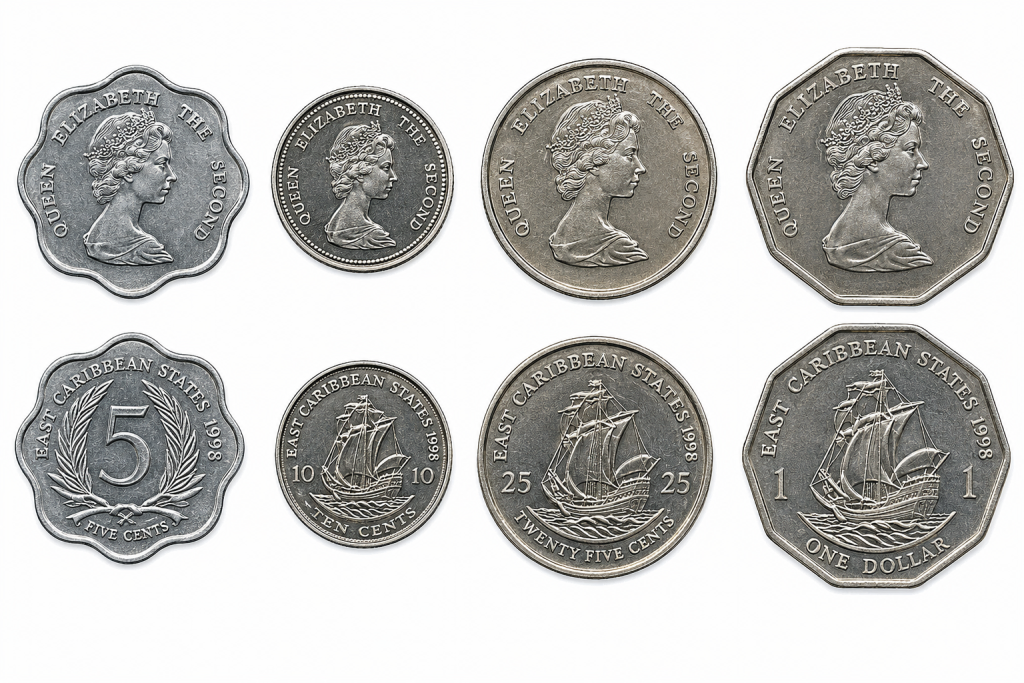
These coins allow for efficient and convenient transactions throughout the eight member countries. For example, someone might use a 5-cent coin to buy a piece of candy, a 10-cent coin for a small item, or a few 25-cent coins for a small drink or snack. Their lightweight nature makes them convenient to carry around, and the clear denominations prevent confusion during transactions. The coins feature distinctive designs that celebrate the culture, history, and natural beauty of the Eastern Caribbean region, with each denomination displaying different images that reflect the shared heritage and unique characteristics of the member states.
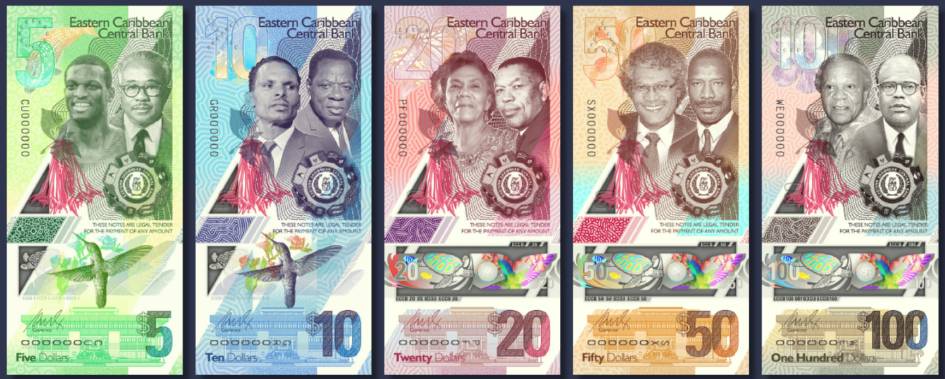
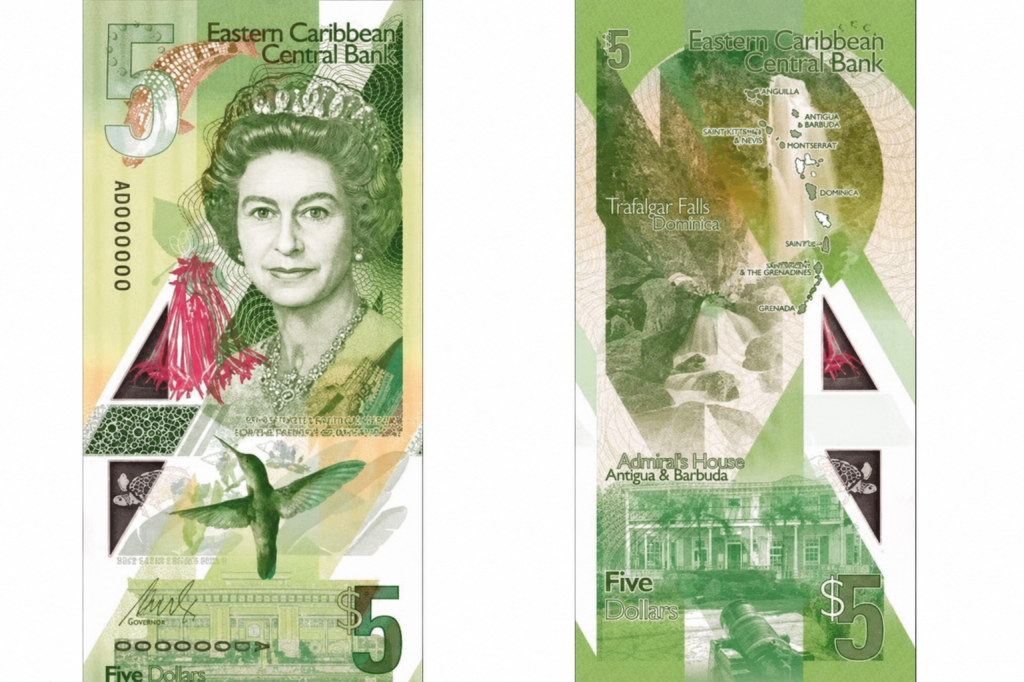
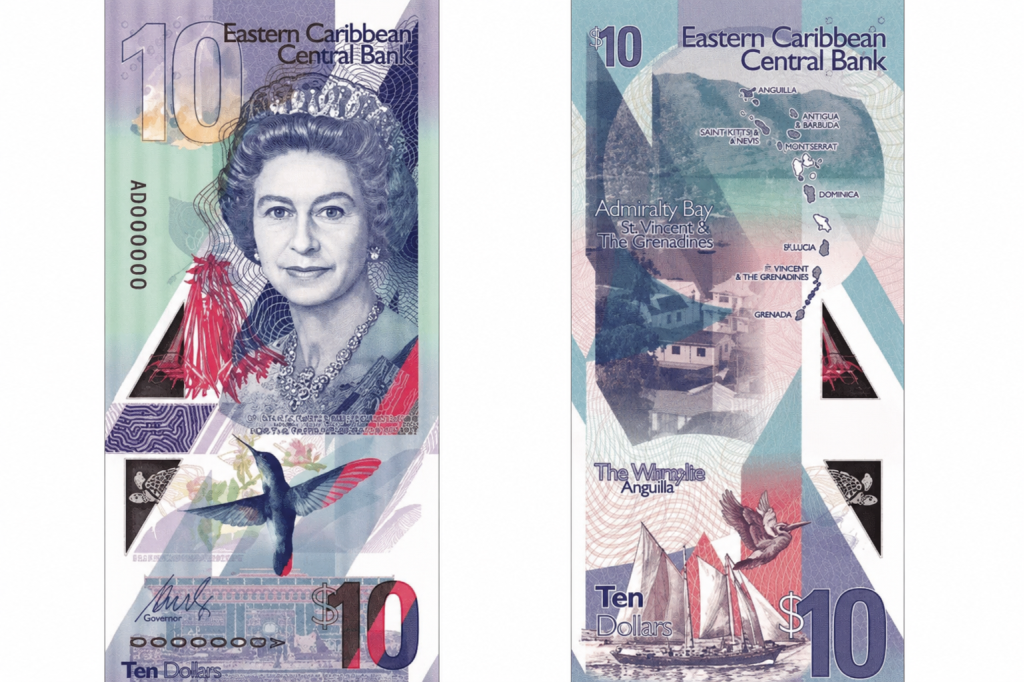
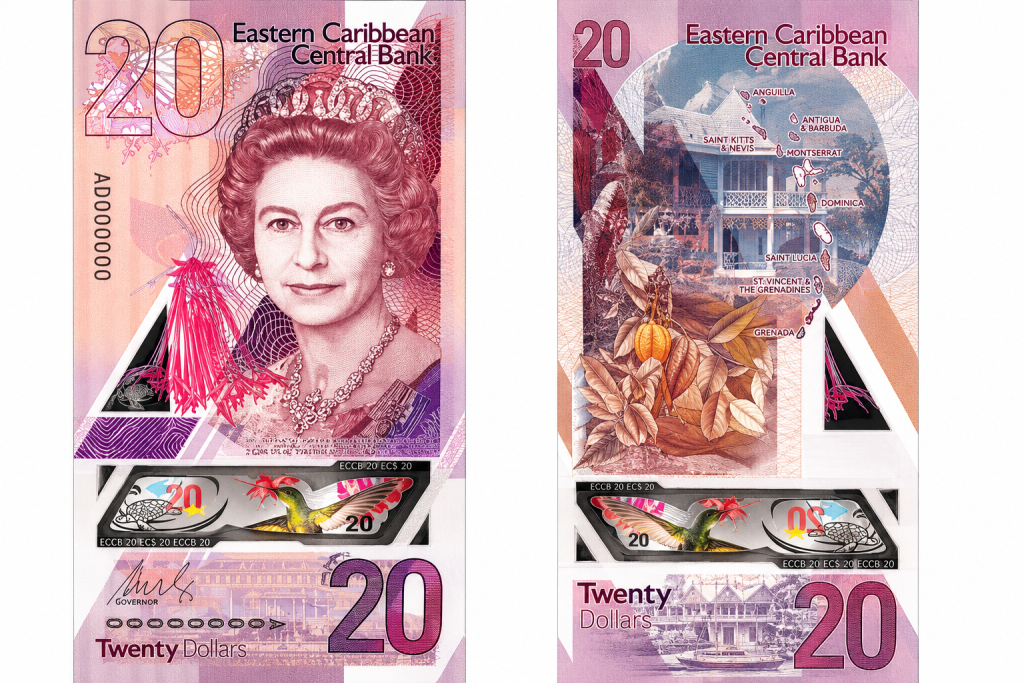
The Eastern Caribbean(EC) banknotes have been redesigned to honor the people, heritage and achievements of the eight member countries of the Eastern Caribbean Currency Union (ECCU).
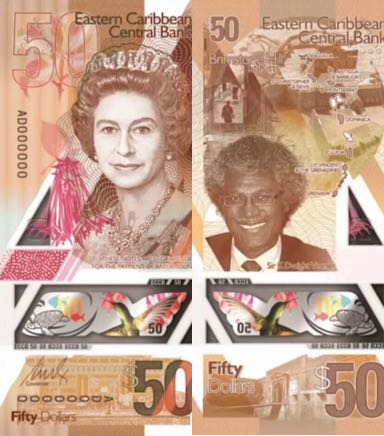
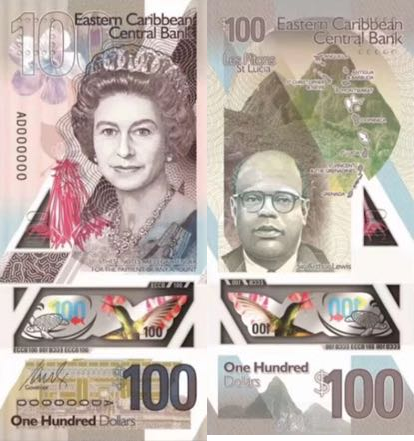
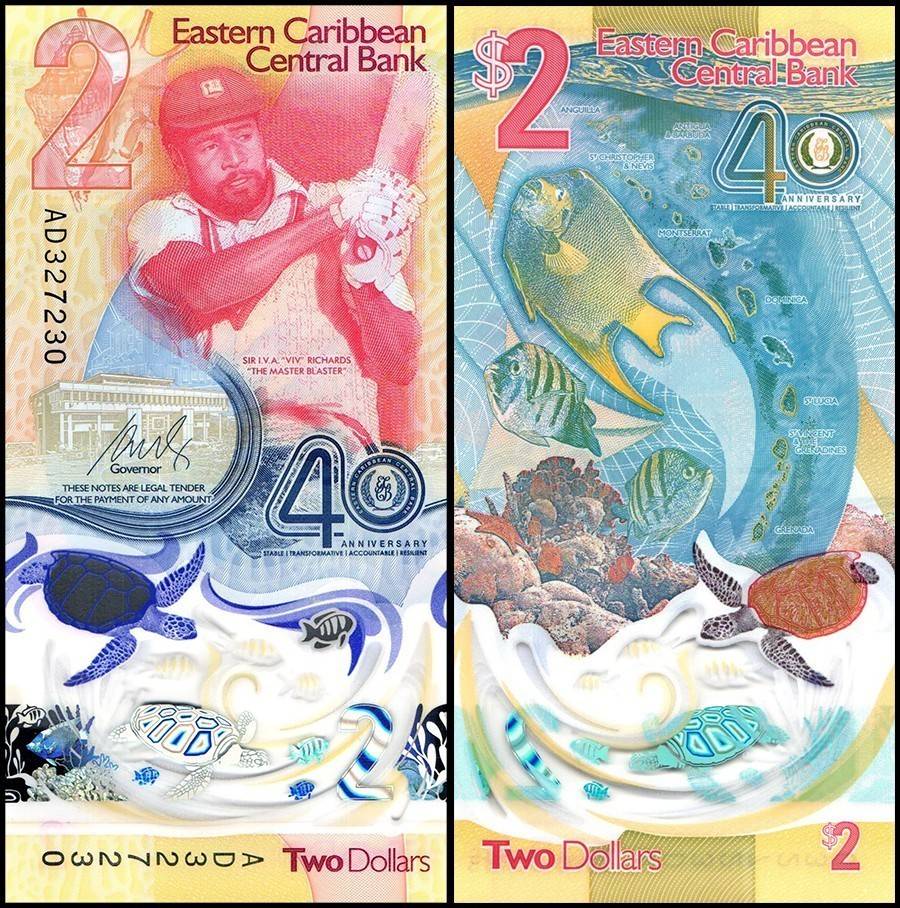
For larger purchases, the Eastern Caribbean Dollar also comes in several banknote denominations that facilitate bigger transactions without requiring individuals to carry substantial amounts of coins. The available banknotes include $2 (primarily in paper note form, though a $2 coin also exists), $5, $10, $20, $50, and $100. These banknotes are essential for everyday commerce, as they allow people to make significant purchases efficiently. For instance, when someone buys groceries, pays for services, or purchases accommodations, they can easily use a $20 or $50 bill rather than carrying dozens of coins. The banknotes feature colorful, vibrant designs and images that celebrate the culture, history, natural beauty, and economic achievements of the Eastern Caribbean region, adding a unique and visually appealing touch to the currency that reflects the pride and identity of the member nations.
XCD Exchange Rate Table and Currency Conversion
The Eastern Caribbean Dollar's fixed peg to the U.S. dollar creates a stable and predictable exchange rate environment that benefits both residents and visitors. The official peg remains at 2.70 XCD to 1.00 USD, though local exchange rates may vary slightly. Below is a comprehensive exchange rate table showing the value of XCD relative to major international currencies:
XCD Exchange Rate Table (From XCD to Other Currencies)
| From XCD | To USD | To GBP | To CAD | To EUR |
|---|---|---|---|---|
| 1 XCD | 0.37 USD | 0.29 GBP | 0.50 CAD | 0.34 EUR |
| 10 XCD | 3.70 USD | 2.90 GBP | 5.00 CAD | 3.40 EUR |
| 50 XCD | 18.50 USD | 14.50 GBP | 25.00 CAD | 17.00 EUR |
| 100 XCD | 37.00 USD | 29.00 GBP | 50.00 CAD | 34.00 EUR |
| 270 XCD | 100.00 USD | 78.00 GBP | 135.00 CAD | 113.00 EUR |
Reverse Exchange Rates (From Other Currencies to XCD)
| From Currency | To XCD |
|---|---|
| 1 USD | 2.70 XCD |
| 1 GBP | 3.45 XCD |
| 1 CAD | 2.00 XCD |
| 1 EUR | 2.94 XCD |
| $100 USD | 270 XCD |
| £100 GBP | 345 XCD |
| $100 CAD | 200 XCD |
| €100 EUR | 294 XCD |
XCD to USD Calculator
For travelers and businesses needing to convert between Eastern Caribbean Dollars and U.S. dollars, the calculation is straightforward due to the fixed peg. Here's a simple calculator formula:
| Conversion Type | Formula | Example |
|---|---|---|
| USD → XCD | USD × 2.70 | $1 USD = EC$2.70 |
| XCD → USD | XCD ÷ 2.70 | EC$1 = $0.37 USD |
XCD to USD & USD to XCD Conversion Table
| USD Amount | XCD Equivalent |
|---|---|
| $1 USD | EC$2.70 |
| $10 USD | EC$27.00 |
| $20 USD | EC$54.00 |
| $50 USD | EC$135.00 |
| $100 USD | EC$270.00 |
| XCD Amount | USD Equivalent |
|---|---|
| EC$1 | $0.37 USD |
| EC$27 | $10.00 USD |
| EC$54 | $20.00 USD |
| EC$100 | $37.04 USD |
| EC$270 | $100.00 USD |
This predictable conversion makes budgeting for travel to the Eastern Caribbean remarkably simple, as visitors can calculate costs in advance without worrying about fluctuating exchange rates.
Banks and Financial Institutions Accepting Eastern Caribbean Dollar
The Eastern Caribbean Dollar is accepted at all commercial banks and financial institutions throughout the eight member countries. The major banks that accept and deal in XCD/EC$ include:
| Country/Territory | Banks |
|---|---|
| Grenada | Co-op Bank, GNCB, CIBC Caribbean, RBC Royal Bank |
| Antigua & Barbuda | Antigua Commercial Bank, Bank of Antigua, RBC Royal Bank |
| Dominica | National Bank Of Dominica Ltd, First National Bank, RBC Royal Bank |
| Saint Kitts & Nevis | National Bank, St. Kitts Commercial Bank, RBC Royal Bank |
| Saint Lucia | Saint Lucia Commercial Bank, First National Bank, RBC Royal Bank |
| Saint Vincent & the Grenadines | Bank of SVG, First National Bank, RBC Royal Bank |
| Anguilla | National Commercial Bank of Anguilla, RBC Royal Bank |
| Montserrat | Bank of Montserrat, RBC Royal Bank |
Grenada Exchange Rate Example
| Bank | Buys USD | Sells USD |
|---|---|---|
| Co-operative Bank Grenada | EC$2.67 | EC$2.72 |
All of these banks accept Eastern Caribbean Dollar for deposits, withdrawals, exchanges, and banking services. Additionally, most banks in these countries will exchange major international currencies including USD, GBP, CAD, and EUR into XCD, though exchange rates may vary slightly from the official 2.70 peg.
Conclusion
The Eastern Caribbean Dollar has significant importance in the economies of Grenada and the rest of the Eastern Caribbean region, serving as a vital economic connector that unites eight diverse countries and territories under a common monetary framework. This shared currency fosters cooperation, simplifies trade, and facilitates economic development among the member nations while maintaining the individual cultural identities that make each island unique. The XCD's stability, achieved through its decades-long peg to the U.S. dollar, has created a reliable financial environment that benefits residents, businesses, and tourists alike. Understanding the Eastern Caribbean Dollar helps you appreciate the vibrant culture, economic sophistication, and remarkable cooperation that defines this beautiful region.
Even if you plan to visit Mt. Parnassus Inn in Grenada, where you'll experience the authentic warmth of the "Spice Island," or simply want to learn more about this unique part of the world, knowing about the Eastern Caribbean Dollar enriches your knowledge and prepares you for a more meaningful travel experience. When you pay for local goods, services, or experiences in XCD, you're supporting the local economy and participating in the economic life of the region. The currency's stability ensures that your travel budget remains predictable, while its widespread acceptance across eight nations makes travel between islands seamless and convenient. Whether you're exploring the pristine beaches of Anguilla, the lush rainforests of Dominica, the spice plantations of Grenada, or the dramatic Pitons of Saint Lucia, the Eastern Caribbean Dollar will be your trusted companion throughout your journey, connecting you to the rich heritage and vibrant future of this extraordinary Caribbean region.