Visiting Leapers’ Hill Grenada: My Journey to One of the Island’s Most Powerful Historic Sites
Whenever I stay at Mt. Parnassus Inn in St. George’s, I make it a priority to explore parts of Grenada that tell the island’s deeper story. While many visitors come for the beaches, waterfalls, and sunshine, some of the most memorable places I have visited are the ones that reveal the resilience, culture, and history of the Grenadian people. One location that left a lasting impression on me was Leapers’ Hill, also known as Carib’s Leap or Morne des Sauteurs, located in the northern parish of St. Patrick. Perched high above the Atlantic Ocean near the charming town of Sauteurs, this remarkable site combines breathtaking scenery with one of the most significant events in Grenada’s history.
The Journey North: Discovering Grenada’s Quiet Heart
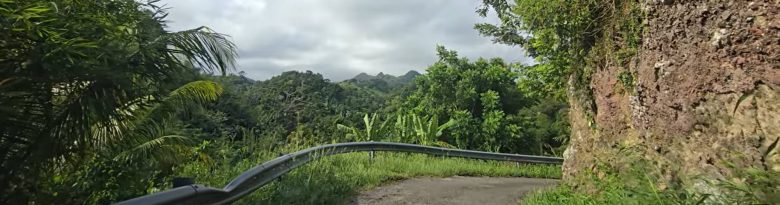
The drive from Mt. Parnassus Inn at Radix Junction to Leapers’ Hill takes approximately one hour, depending on traffic and how often you stop to admire the scenery along the way. As I left St. George’s behind and headed north, the landscape gradually changed. The busy capital gave way to rolling hills, fishing villages, farmland, spice plantations, and spectacular coastal views. The journey itself became part of the experience, offering a glimpse into everyday life across the island. Unlike many tourists who rarely venture beyond the southern coast, I found the northern parishes to be quieter, more traditional, and filled with hidden gems waiting to be discovered.
The northern route takes you through some of Grenada’s most scenic countryside; you’ll pass through areas where cocoa, nutmeg, and cinnamon are grown, giving you a real sense of why this island is renowned as the “Spice Isle.” The coastal views along the northern Atlantic side are particularly stunning, with rugged cliffs and pristine beaches that few visitors ever see.
Sauteurs: A Town Named for the Leap
Upon arriving in Sauteurs, I immediately understood why so many Grenadians consider this one of the island’s most important historical sites. The town itself is peaceful and welcoming, with colorful homes, small businesses, churches, fishing boats, and friendly residents who are proud of their community’s heritage. Interestingly, the town’s name “Sauteurs” literally means “leapers” in French, a direct reference to the tragic event that occurred here in 1651.
Leapers’ Hill sits behind the Catholic Church and cemetery, a location that many first-time visitors might easily overlook if they are unfamiliar with the area. Limited parking is available near the church, and additional parking can often be found near the nearby post office. The church itself is a beautiful example of colonial-era architecture, and the cemetery grounds provide a peaceful setting for reflection before or after visiting the monument.
The Tragic Story of 1651: Why Leapers’ Hill Matters
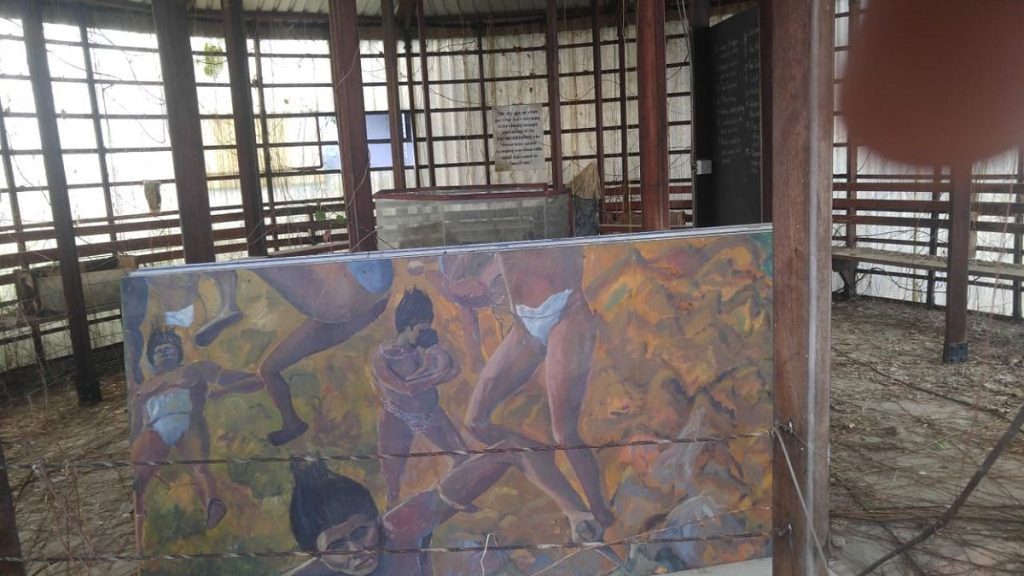
What makes Leapers’ Hill so significant is the tragic but courageous story associated with it. In 1651, as French forces advanced to take control of the island, members of the indigenous Kalinago people (often referred to historically as Caribs) faced an impossible choice. Rather than surrender and face enslavement or loss of their freedom, dozens chose to leap from the cliffs into the Atlantic Ocean below.
Standing at the edge of the site, looking out across the endless horizon, I found it difficult to imagine the emotions they must have felt. The story remains one of the most powerful symbols of resistance and sacrifice in Grenadian history. This event represents the final chapter of the Kalinago’s struggle to maintain their autonomy on Grenada, marking the end of indigenous resistance to European colonization on the island.
The Kalinago had inhabited Grenada for centuries before European arrival, and their decision to leap rather than surrender became a defining moment in the island’s collective memory. Today, this site is recognized as one of the most important pre-colonial historical sites in the Caribbean, representing the courage and dignity of indigenous people facing impossible odds.
The Monument: A Symbol of Remembrance
Today, a monument stands near the cliff edge commemorating this historic event. The monument itself is striking, facing away from the sea while overlooking the dramatic coastline below. Informational displays help visitors understand the historical significance of the site, but no plaque or monument can fully capture the emotional impact of standing there in person. The atmosphere is peaceful, yet there is a sense of reverence that encourages quiet reflection. It is one of those rare places where history feels very real.
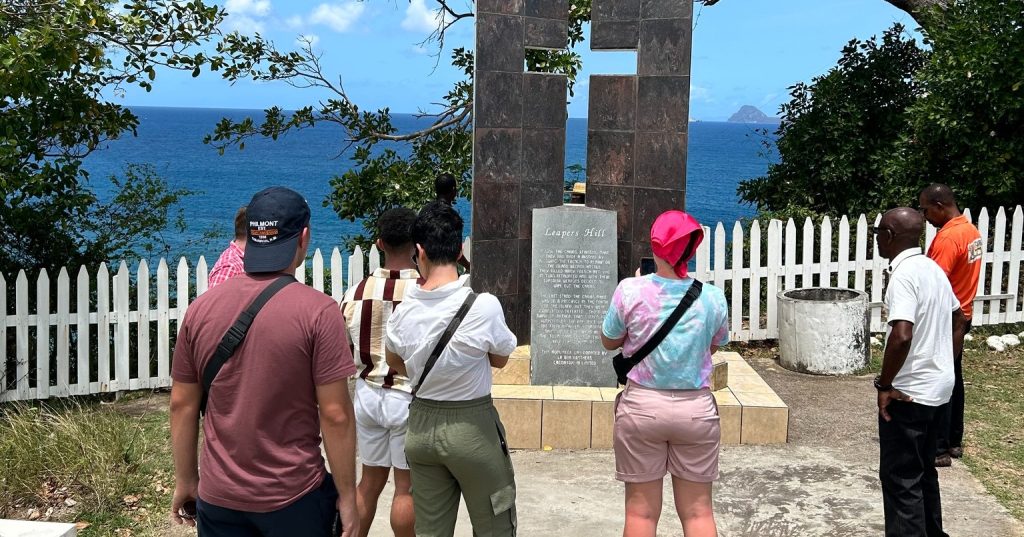
The monument is positioned deliberately to face the land rather than the sea, a symbolic choice that emphasizes the Kalinago’s connection to Grenada itself, even in their final moments. The stone structure is simple yet dignified, allowing visitors to focus on the story rather than elaborate architectural features.
Learning from Local Voices: The Heart of the Experience
One of the unexpected highlights of my visit was the opportunity to learn from local residents who help preserve the site’s history. During my visit, a knowledgeable woman associated with the church generously shared stories about the monument, the cemetery, and the broader history of Sauteurs. Her passion for the island’s heritage brought the site to life in a way that no guidebook ever could. Visitors are often welcome to make a small donation to support the church and ongoing preservation efforts, and I found this to be a worthwhile contribution after receiving such valuable insights.
These local storytellers are essential to understanding Leapers’ Hill’s significance. They can share oral histories, family connections to the site, and contextual details that transform a simple monument visit into a meaningful cultural experience. If you’re fortunate to meet someone willing to share their knowledge, take the time to listen; the stories they tell will stay with you long after you leave.
The Cemetery: Hidden Historical Treasures
The cemetery itself contains several fascinating historical details that many visitors overlook. While exploring the grounds, I learned about one grave associated with the first recorded diagnosis of sickle cell disease, a condition that continues to affect many people of African descent around the world. This grave represents an important moment in medical history, marking when scientists first identified the genetic condition that would later be understood as affecting millions globally.
Other graves reveal stories about Grenada’s colonial past, including unique brick-built tombs. According to local accounts, some of these bricks originally arrived as ballast aboard European ships. Once the vessels reached the Caribbean and loaded valuable spices for the return journey, the bricks were left behind and eventually incorporated into local construction projects. These small historical details help visitors better understand how deeply connected Grenada was to global trade routes centuries ago.
The cemetery’s architecture reflects a blend of European and Caribbean influences, with some tombs featuring intricate brickwork and others showcasing more simple, practical designs. Walking through the cemetery provides a tangible connection to the generations of Grenadians who lived, worked, and died in Sauteurs.
Panoramic Views: Nature’s Tribute to Courage
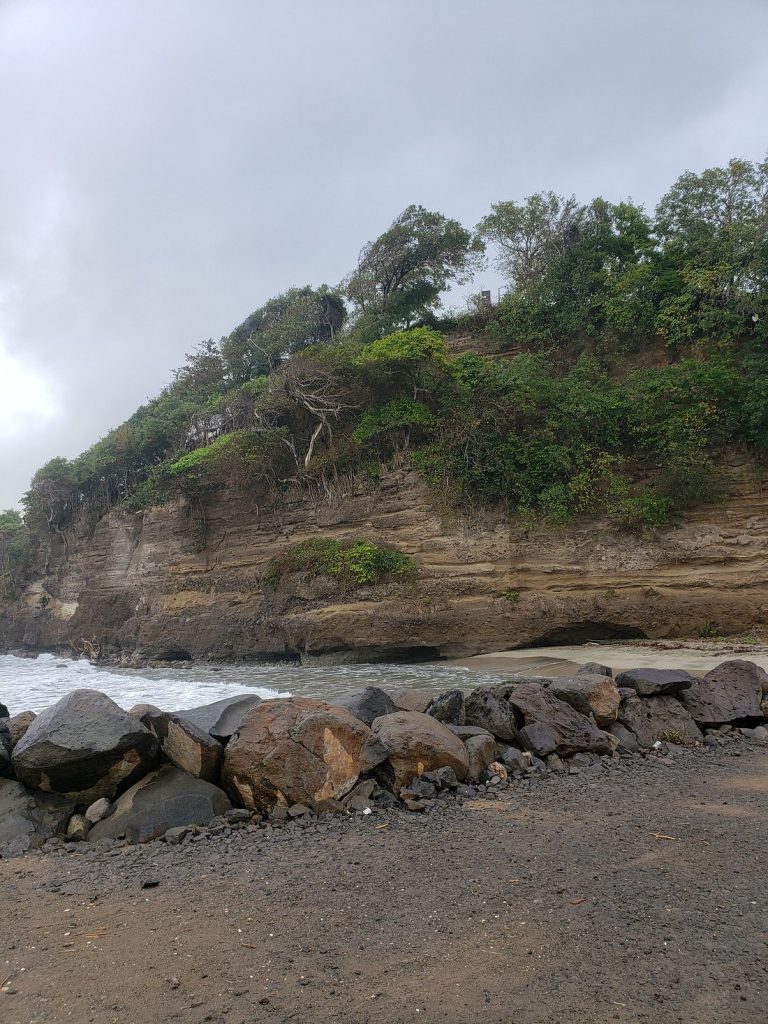
While the history is undoubtedly the main attraction, the scenery at Leapers’ Hill is equally impressive. Standing atop the cliffs, I enjoyed uninterrupted panoramic views of the Atlantic Ocean, rugged coastline, and the northern tip of Grenada. The ocean stretches endlessly toward the horizon, while powerful waves crash against the cliffs below. The constant trade winds provide a welcome cooling breeze, especially on warm days. It is easy to spend a considerable amount of time simply admiring the scenery and taking photographs.
The cliff edge provides some of the most dramatic coastal views in northern Grenada, with the Atlantic’s deep blue waters contrasting against the rugged, vegetation-covered cliffs. The views extend far beyond what you can see from most other locations on the island, giving you a true sense of Grenada’s position in the remote southern Caribbean.
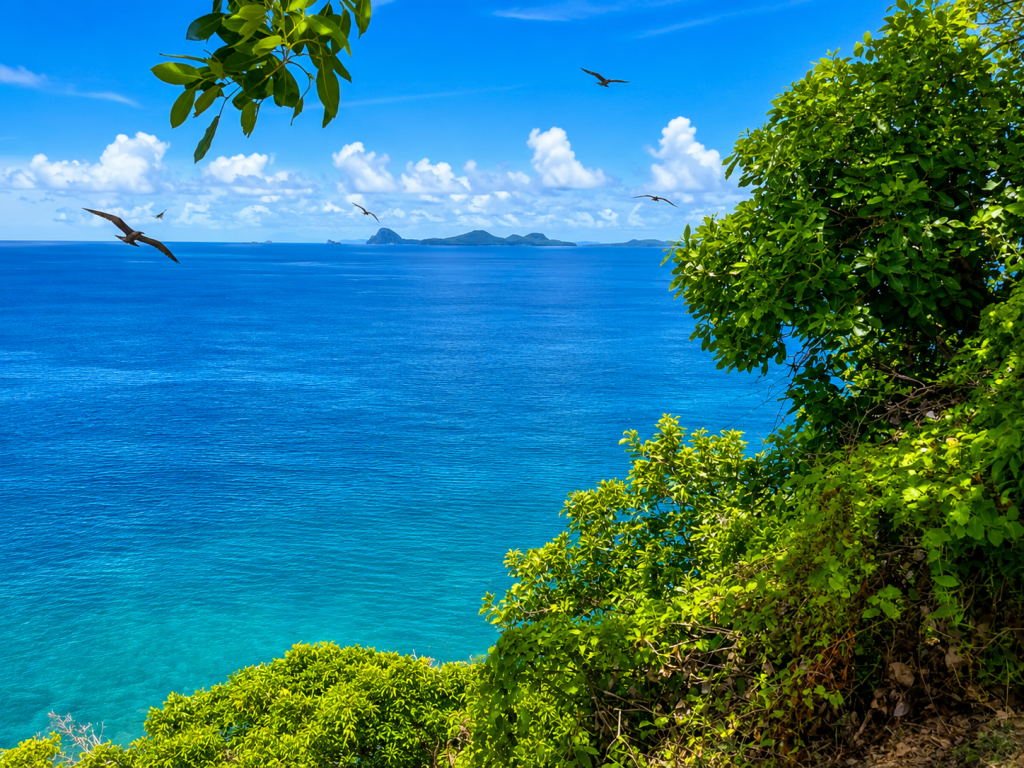
Neighboring Islands Visible from the Cliffs
On exceptionally clear days, visitors are rewarded with views that extend far beyond Grenada itself. During my visit, locals pointed out several neighboring islands visible in the distance, including Carriacou, Diamond Island, Île de Ronde, and Île de Caille. Seeing these islands scattered across the horizon helped me appreciate Grenada’s place within the wider Caribbean and added another dimension to the experience.
Carriacou, the largest of Grenada’s sister islands, is often visible on clear days, lying approximately 15 miles northeast of Grenada. Île de Ronde (Round Island) and Île de Caille (Chicken Island) are smaller, uninhabited islands that are part of Grenada’s national territory. These views emphasize that Grenada is not just a single island but the center of a larger island nation, with Leapers’ Hill offering one of the best vantage points to appreciate this geography.
Sauteurs: A Fishing Town with Authentic Charm
After exploring the monument and enjoying the views, I spent some time wandering through Sauteurs itself. This northern fishing town has a character completely different from St. George’s. Life moves at a slower pace, and visitors can experience a more authentic side of Grenada away from the larger tourist areas. The nearby beach at Sauteurs Bay offers calm waters and beautiful scenery, making it an excellent place to relax after visiting the monument. Local restaurants serve fresh seafood and traditional Grenadian dishes, providing another reason to spend a few extra hours exploring the area.
Sauteurs is one of the few places on Grenada where you can still experience the traditional fishing village lifestyle that existed before tourism became dominant. You’ll see fishing boats being prepared, nets being mended, and locals sharing stories about their daily catches. This authenticity makes Sauteurs a valuable destination for travelers seeking genuine cultural experiences.

A Local Treasure: The Homemade Ice Cream Stand
One local treasure that visitors should not overlook is the small refreshment stand located near the church. The homemade ice cream sold there has developed a loyal following among both locals and visitors. After spending time under the tropical sun, enjoying a cold treat while overlooking the Atlantic felt like the perfect way to conclude my visit.
The ice cream is made fresh daily using local ingredients, including coconut, banana, and sometimes even nutmeg, a true taste of Grenada. The stand is often operated by church volunteers, making your purchase a contribution to the community’s preservation efforts. Don’t miss this opportunity to experience a genuine local treat that you won’t find anywhere else on the island.
Leapers’ Hill: A Different Perspective on Grenada
For guests staying at Mt. Parnassus Inn, Leapers’ Hill offers a completely different perspective on Grenada. While attractions such as Grand Anse Beach, the Carenage, and Fort George showcase the island’s beauty and colonial history, Leapers’ Hill provides a deeper understanding of the people who lived here long before European settlement. It is a place where natural beauty and cultural heritage intersect in a powerful and unforgettable way.
From my apartment at Mt. Parnassus Inn, with its iconic view overlooking St. George’s, Leapers’ Hill represents the perfect contrast, going from the colorful colonial capital to the rugged Atlantic coast where indigenous history predates European arrival by centuries. The inn’s convenient location near public transportation also makes it possible to arrange transportation to Sauteurs without needing a private car.
Getting There:
- Distance from Mt. Parnassus Inn: Approximately 25 miles north
- Drive Time: 1 hour (depending on traffic and stops)
- Route: Take the main northern road from St. George’s through Grenville, then continue to Sauteurs
- Parking: Limited parking near the Catholic Church; additional parking near the post office
What to Bring:
- Comfortable walking shoes (paths can be uneven)
- Camera (views are among the finest in northern Grenada)
- Cash for donations and the ice cream stand
- Water and sunscreen
- Camera for photos
Best Times to Visit:
- Early morning (7–9 AM): Cooler temperatures, fewer visitors, best lighting
- Late afternoon (3–5 PM): Soft golden light, peaceful atmosphere, comfortable temperatures
- Avoid midday: Peak heat and strongest sun
Tips for the Experience:
- Take time to speak with local residents or church volunteers; their stories provide insights that cannot be found anywhere else
- Make a small donation to support the church and preservation efforts
- Visit the cemetery before or after the monument; many historical details are overlooked
- Try the homemade ice cream near the church; it’s a local favorite
- Bring cash, most vendors don’t accept credit cards
Is Leapers’ Hill Worth Visiting?
Without question. Leapers’ Hill is far more than a scenic lookout. It is a place of remembrance, reflection, beauty, and cultural significance. For anyone staying at Mt. Parnassus Inn who wants to experience the true depth of Grenada’s history while enjoying some of the island’s most spectacular coastal views, Leapers’ Hill is an essential stop.
This site represents something unique in Caribbean tourism: a place where you can witness both incredible natural beauty and profound historical significance in the same location. The Kalinago’s choice to leap rather than surrender symbolizes the courage and dignity of indigenous people facing impossible odds, and standing at that cliff edge connects you directly to that moment in history.
It is a destination that stays with you long after you leave, offering not only beautiful photographs but also a greater appreciation for the courage, resilience, and heritage that helped shape modern Grenada. Leapers’ Hill reminds us that Grenada’s story began long before European ships arrived, and that the indigenous Kalinago people remain an essential part of the island’s identity. Whether you’re a history enthusiast, a cultural traveler, a photographer seeking dramatic coastal views, or simply someone who wants to understand Grenada’s deeper story, Leapers’ Hill delivers an experience that resonates deeply and lasts long after your visit ends.