The Rums of the Caribbean
A Caribbean Love Story: Exploring the World of Rum in Grenada
At Mt. Parnassus Inn, we believe every Caribbean vacation should come with unforgettable experiences, breathtaking scenery, warm island hospitality, and of course, a great glass of rum. After all, rum is more than just a drink in the Caribbean; it is part of our history, our culture, and our way of life.
Let us be honest for a moment. When most of us imagine the Caribbean, crystal-clear beaches and tropical sunsets come to mind, but somewhere in that picture is also a refreshing rum punch, a smooth aged sipping rum, or a handcrafted cocktail enjoyed under swaying palm trees. For many visitors staying with us in Grenada, rum quickly becomes part of the vacation experience.
During your stay at Mt. Parnassus Inn, we encourage guests to explore Grenada’s rich rum heritage. Whether you enjoy a casual rum cocktail while relaxing after a day of sightseeing or visit one of Grenada’s famous distilleries, there is something truly special about experiencing rum in the islands where it has been made for centuries.
How Did Rum Begin?
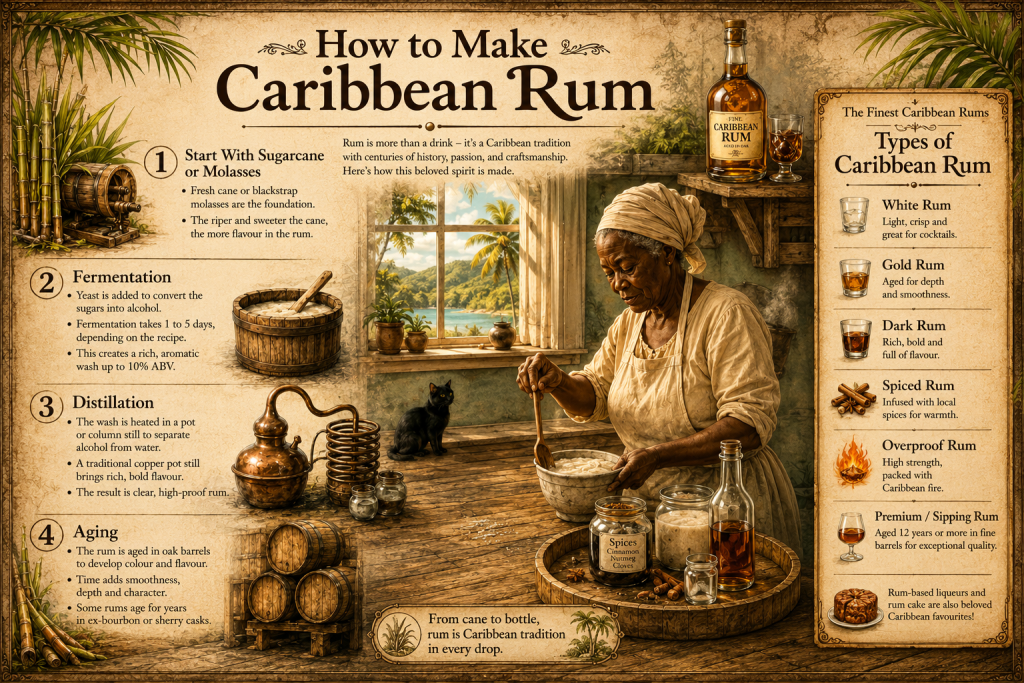
Whenever we welcome visitors to Grenada, one of the stories we love sharing is how rum first came to life in the Caribbean.
Rum has deep roots stretching back to the mid-1600s, when plantation workers and enslaved Africans discovered that molasses, once considered little more than waste from sugar production, could be fermented and distilled into alcohol. What started as a rough, fiery spirit slowly evolved into one of the Caribbean’s most iconic exports.
In its earliest days, rum had colorful names like “kill-devil” and “rumbullion,” a word believed to mean chaos or uproar, which honestly sounds fitting considering rum’s lively reputation. Pirates and sailors famously embraced the drink, often mixing it with sugar, spices, and water to create an early cocktail known as Bumbo. Ingredients like cinnamon, nutmeg, and lime gave the drink a warm Caribbean flavor that still inspires many rum cocktails today.
The British Royal Navy also played a huge role in rum history. Sailors were given a daily rum ration called a “tot,” something many looked forward to after long days at sea. Over time, officers diluted the rum with water and lime juice, creating what became known as grog. That naval tradition lasted for over 300 years before ending in 1970.
Today, rum has undergone a remarkable transformation. What was once viewed as a rough sailor’s drink is now often compared to premium Scotch whisky, cognac, and bourbon. Some aged Caribbean rums are highly sought after around the world and can rival some of the finest spirits available.
Is Every Rum the Same?
One thing we quickly tell guests staying at Mt. Parnassus Inn is this: not all rum tastes alike.
Rum varies dramatically from island to island, distillery to distillery, and even barrel to barrel. While many Caribbean rums are made using fermented molasses, others take a very different approach.
On several French Caribbean islands, distillers produce rhum agricole, a style made directly from fresh sugarcane juice instead of molasses. This creates a more earthy, grassy flavor profile that many rum enthusiasts enjoy. Spanish-speaking islands often call their spirit ron, while Brazil produces a close cousin known as cachaça, most famous for its use in caipirinhas.
How rum is distilled also affects its personality. Some producers use copper pot stills for richer flavors, while others prefer column stills for smoother and lighter spirits. Aging methods matter too. Oak barrels, whisky casks, sherry barrels, and even cognac barrels can dramatically influence the final flavor.
Even the sugar source plays a role. Light molasses, dark molasses, and blackstrap molasses all contribute different levels of sweetness, spice, and complexity.
The Different Types of Rum We Love Exploring
One of my favorite parts about Caribbean travel is discovering the incredible variety of rum styles across the islands. Here are some of the most common categories visitors may come across:
White Rum
Usually aged for the shortest amount of time, white rum tends to be light, clean, and crisp. It is the classic choice for mojitos, daiquiris, and rum punch.
Gold or Amber Rum
These rums are often aged in oak barrels for months or years, giving them warmer flavors with hints of vanilla, spice, caramel, and wood.
Spiced Rum
Many Caribbean islands add local spices like cinnamon, nutmeg, clove, and vanilla to white or amber rum, creating bold flavors perfect for cocktails.
Flavored Rum
Fruit-infused rums are especially popular in the islands. Coconut, mango, banana, citrus, and passionfruit are common flavors, often with slightly lower alcohol content.
Overproof Rum
Not for beginners. These rums are significantly stronger than standard spirits and can reach incredibly high alcohol percentages. Grenada’s famous Rivers Rum is legendary for its strength and bold character.
Dark or Navy Rum
Made using darker molasses and aged longer in charred barrels, dark rum is rich, bold, and often full of deep caramel and smoky notes.
Premium or Sipping Rum
These are the luxury stars of the rum world. Aged for many years, often 12 years or more, they are designed to be enjoyed slowly, much like fine whisky or cognac.
And yes, the Caribbean also loves turning rum into desserts. Rum cakes remain one of the sweetest souvenirs visitors bring home after their trip.
Could Rum Actually Be Good for You?
We always laugh when guests ask this question, but surprisingly, there are long-standing Caribbean traditions surrounding rum’s “healing powers.”
For generations, islanders have believed rum can help soothe a cold, warm the body, or calm nerves after a stressful day. Some Caribbean remedies mix rum with honey, lime, herbs, and spices during the cold season.
In parts of the Windward Islands, including nearby Dominica and Saint Lucia, certain rums are infused with Bois Bande, a local tree believed by many to have natural aphrodisiac qualities.
Of course, we always recommend enjoying rum responsibly, but part of the fun of Caribbean travel is learning about these local traditions.
Which Caribbean Island Has the Best Rum?
Now this is where the debate begins.
Ask anyone in the Caribbean, and chances are they will proudly claim their island makes the best rum. Puerto Rico produces huge amounts of rum, while Barbados is often called the birthplace of rum itself. Jamaica is famous for bold and funky styles, Guyana for rich Demerara rums, and Martinique for its elegant rhum agricole.
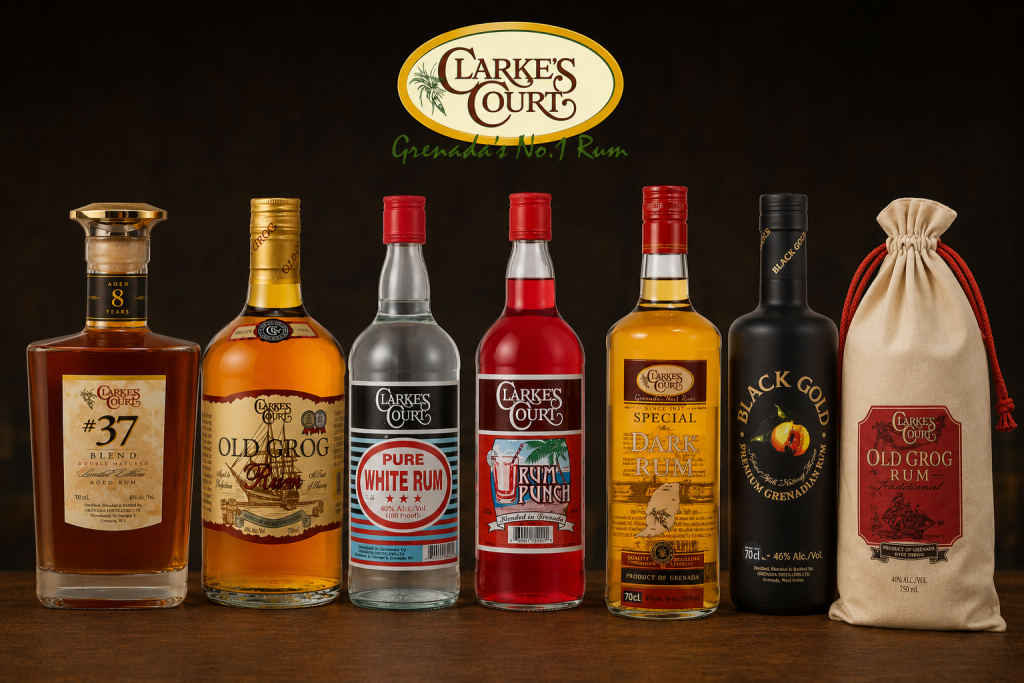
Here in Grenada, we are proud of our own rum culture. From Clarke’s Court to Westerhall Estate and the legendary Rivers Rum in St. Patrick’s, Grenada, offers visitors an authentic rum experience that many travelers never forget.
Personally, we think the best way to answer the question is simple: taste as many as possible and decide for yourself.
At Mt. Parnassus Inn, we encourage our guests to turn rum tasting into part of the adventure. Explore Grenada’s distilleries, sample local favorites, chat with locals about their personal recommendations, and discover the flavors that speak to you.
Who knows? By the end of your stay, you might leave Grenada with a new favorite bottle and a few unforgettable stories to go along with it.