Grenada Is More Than a Postcard
Most people arrive in Grenada expecting beaches, sunshine, rum punch, and maybe a few spice markets. They leave surprised. Grenada has a way of quietly changing people. It is not loud about itself like some Caribbean destinations. It does not constantly perform for tourists. Instead, it unfolds slowly. One conversation in a rum shop turns into an hour. One beach stop becomes a whole afternoon. A quick drive through the mountains somehow becomes the memory visitors talk about years later.
Grenada is often called the Spice Isle, famous for nutmeg, cinnamon, cocoa, cloves, and bay leaf. That nickname is true, but it barely scratches the surface. What many travel articles miss is that Grenada feels like several islands living inside one small country. The busy hills of St. George’s feel different from the fishing villages of St. Mark. The farming communities in St. Andrew have a completely different rhythm from the yacht-lined marina areas in the south. Then there is Carriacou, where people will tell you immediately, often proudly, that they are Carriacouan first.
This is an island where people still stop to lime on roadside walls, where somebody you met once may remember your face months later, and where your reputation can quietly travel faster than you realize. It is beautiful, yes, but also deeply social, layered, and sometimes misunderstood by visitors who only stay around resorts.
Before we get into beaches, food, waterfalls, and culture, the best place to begin is understanding Grenada parish by parish, because every part of the island tells a different story.
Geography & Parishes
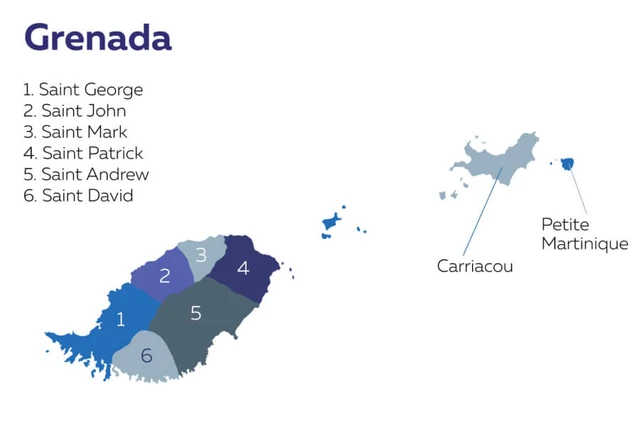
Understanding Grenada’s Layout: Grenada is made up of three inhabited islands: the main island of Grenada, plus Carriacou and Petite Martinique. On the main island, life is divided into six parishes: St. George, St. Andrew, St. Patrick, St. Mark, St. John, and St. David. Each parish has its own personality, pace, social culture, and reputation among locals.
One thing many visitors misunderstand is that Grenada may be small on a map, but emotionally and culturally, distances feel much bigger. Someone from St. Patrick might joke that people in the south “live differently.” Someone from St. George may quietly admit they rarely go to the western side unless they have a reason. Community identity matters here.
Ask a Grenadian where they are from, and they often will not just say “Grenada.” They will say, “I from Grenville,” or “I from Gouyave,” or “I from Tivoli,” because parish identity carries real meaning.
St. George Parish: The Heartbeat of Grenada

For visitors who want a more local experience, areas like Mt. Parnassus tell a different story from the beach resort version of Grenada. Rather than waking up to crowded hotel pools, hillside neighborhoods often give visitors something quieter. Roosters in the distance. Breeze moving through fruit trees. Ships slowly enter the harbor below. Dogs barking somewhere down the hill. Real residential in Grenada.
Mt. Parnassus especially appeals to travelers who prefer authenticity over polished resort experiences. Staying somewhere like Mt. Parnassus Inn gives independent travelers a useful base because it places them close enough to the city while still feeling removed from the constant movement of downtown. Within minutes, visitors can reach shopping, restaurants, the stadium, public buses, or historic sites, while still returning to a quieter hillside environment at the end of the day.
What many visitors discover is that daily life in St. George Parish happens in layers. Office workers rush downtown in the morning, but communities on the hills operate differently. Small shops know their customers personally. Fruit vendors often sell from roadside stalls based entirely on trust. Neighbors casually watch out for one another, though they will absolutely notice who belongs and who does not.
Lesser-Known Places in St. George Parish
Two places visitors rarely hear about deserve attention. First is Fort Matthew, often overshadowed by Fort George. Many visitors never even hear about it. The fort feels quieter, less commercial, and more mysterious. Parts of it still carry visible reminders of Grenada’s political history. Locals sometimes describe it as one of the island’s most underrated historic spaces.
Second is Mount Qua Qua Trail, which many visitors skip because Grand Etang gets all the attention. Yet this hiking route offers some of the most rewarding mountain views on the island. On clear days, hikers can sometimes glimpse coastlines in multiple directions.
St. Andrew Parish: Grenada’s Agricultural Backbone

Its main town, Grenville, sits along the eastern coast and feels distinctly different from St. George’s. It is less polished, more everyday. Markets feel local rather than tourist-oriented. Fishermen, farmers, and vendors shape much of the movement of the town. If St. George’s feels like Grenada’s business center, Grenville feels like a place where ordinary life unfolds.
Many visitors overlook the East Coast entirely, and that is a mistake. The Atlantic side of Grenada feels rougher, windier, and more dramatic than the calmer Caribbean side. Beaches here are often beautiful, but not always ideal for swimming. Instead, they feel powerful, wild, and untouched.
Lesser-Known Places in St. Andrew
One overlooked place is the old Pearls Airport. Once Grenada’s airport, before Maurice Bishop International opened, today it feels frozen in time. Abandoned aircraft still sit there, creating one of the island’s strangest hidden sights.
Another overlooked spot is Lake Antoine Estate, where traditional rum-making still survives in ways many islands have lost. Watching rum production happen through older methods gives visitors a glimpse into how the Caribbean industry once worked before modernization changed everything.
Community Life in St. Andrew
Daily life here moves slowly. Villages often feel interconnected through church, school, farming, and family networks. People still share produce, swap labor, and look after relatives in ways visitors from larger countries sometimes find surprising. There is also a quiet pride in resilience here. After hurricanes, economic struggles, and migration abroad, communities in St. Andrew often rebuild through collective effort rather than waiting for outside help.
St. Patrick Parish: Grenada’s Northern Personality
St. Patrick Parish has a reputation among Grenadians for being proud, community-oriented, and deeply rooted in tradition. Located in the north, it feels noticeably different from the tourism-heavy south. Its main town, Sauteurs, carries immense historical significance. It was here at Leapers’ Hill that indigenous people are believed to have leapt to their deaths rather than surrender to French colonizers. Even today, locals speak of the site respectfully. St. Patrick also has some of Grenada’s most beautiful natural spaces, including Levera National Park. Visitors usually come for the scenery, but locals know it as a place deeply tied to memory, fishing, turtle nesting, and family outings.
Lesser-Known Places in St. Patrick
One overlooked area is Bathway Beach during weekdays, when it becomes almost peaceful compared to weekends packed with families cooking and swimming. Another hidden treasure is River Sallee, where village life feels deeply local and largely untouched by tourism.
What Daily Life Feels Like Here
Northern Grenada often feels more traditional. Families tend to know one another deeply, and social reputation matters. If you move respectfully, greet people properly, and take a genuine interest in the community, people warm up quickly. If you act entitled, locals will notice immediately, even if nobody says it directly.

St. Mark Parish: Small, Proud, and Often Overlooked
St. Mark Parish is Grenada’s smallest parish, and because of that, it often gets overlooked by visitors who rush between beaches and excursions without realizing they passed through one of the island’s most interesting communities. Locals sometimes jokingly call it “the forgotten parish,” but people from St. Mark will quickly remind you that small does not mean unimportant. In many ways, St. Mark feels like old Grenada. Life moves more slowly here; people tend to know each other deeply, and there is less pressure to perform for tourists.
The main town, Victoria, sits quietly on the western coast. Unlike St. George’s, there is no constant rush. Small businesses open at their own rhythm, fishermen still shape part of daily life, and neighbors casually stop to talk in the middle of errands. Visitors who spend time here often notice something surprising. People still make time for conversation. Someone may genuinely ask where you are from and stay interested in the answer instead of treating it like small talk.
One thing that gives St. Mark character is its strong fishing culture. Fresh fish here is not treated as some premium experience. It is simply life. You may hear people casually discussing what came in that morning, who got lobster, or whether the sea was rough the night before. In communities like this, food and social life are tightly connected.
Lesser-Known Places in St. Mark
One hidden place worth exploring is Duquesne Bay, a black sand beach many tourists never hear about. The darker volcanic sand gives the shoreline a completely different feeling from places like Grand Anse. The sea here can feel moodier, more dramatic, especially when clouds roll in. Another overlooked spot is Tufton Hall Waterfall, one of those places locals may casually mention but many visitors never see. It feels less polished than heavily promoted attractions and more like something you stumbled across while wandering through the countryside.
Daily Life in St. Mark
Community matters deeply here. Families often have roots stretching back generations, and social memory is strong. If your grandparents lived in a certain district, people may still know the family name decades later. Visitors who spend time here respectfully often experience a warmer, more personal version of Grenada than resort guests ever see.
There is also a quiet resilience in St. Mark. After hurricanes and economic hardships, communities continue rebuilding, often through family support systems and neighbors helping neighbors rather than relying heavily on outside assistance.
St. David Parish: Quiet Villages and Deep Community Ties
St. David Parish often surprises visitors because it feels close to the south while still maintaining a very local atmosphere. Located in the southeastern section of the island, St. David balances agriculture, fishing, residential communities, and natural beauty in ways many tourists miss entirely.
Unlike areas heavily shaped by tourism, St. David still feels lived-in rather than curated. Villages are active with schoolchildren, roadside vendors, churches, and family homes rather than souvenir shops. This is the kind of parish where people notice familiar vehicles, know local surnames, and casually ask who your family is connected to if you spend enough time around. The coastline here also feels different. In some places, cliffs meet the sea dramatically. In others, hidden coves and quieter beaches appear unexpectedly between villages.
Lesser-Known Places in St. David
One hidden treasure is La Sagesse Bay, often overshadowed by Grand Anse but loved by people who want a slower, quieter beach day. The bay feels more intimate, and the surrounding landscape has an untouched calm to it. Another lesser-known place is Westerhall Estate ruins, remnants of Grenada’s plantation history that many visitors drive past without realizing their historical significance. Walking around these spaces quietly reminds people how much of modern Grenada was shaped by colonial agriculture and labor systems.
Daily Life in St. David
Daily life in St. David feels grounded in community and routine. Churches still play a major role in social life, village events matter, and extended family networks remain strong. Visitors who stay in St. David often notice how quickly people recognize them. By the second or third visit to the same shop, somebody may remember what they bought or ask how long they are staying. For travelers coming from larger cities, this can feel surprising at first, but many eventually come to appreciate it.
There is also an understated beauty to ordinary moments here. Children walking home in uniforms, fishermen repairing nets, fruit trees hanging over roadside walls, and people greeting one another while passing through villages. These small details often become the memories visitors remember most.
St. John Parish: Fishing Villages and Friday Night Culture
St. John Parish is home to some of Grenada’s most recognizable fishing culture, community events, and local food traditions. Located on the western coast, it combines coastal living with mountain villages in ways that feel distinctly Grenadian.
Its best-known town is Gouyave, often called the “town that never sleeps” by locals because there always seems to be something happening. Gouyave has long been tied to fishing, nutmeg processing, and cocoa production. Even the smell of the town can change depending on what is happening nearby. Sometimes it smells like the sea. Other days, cocoa or spices seem to hang in the air.
One thing that gives St. John personality is that it feels deeply local while still welcoming outsiders who approach respectfully. Tourists who wander through respectfully tend to get friendly interactions rather than sales pitches.
Lesser-Known Places in St. John
One hidden spot is Concord Falls Upper Pools. Most visitors only stop at the lower waterfall because it is easy to reach, but locals know that hiking farther reveals quieter areas where crowds disappear.
Another overlooked place is Dougaldston Estate, a historic spice-processing site where visitors can still see traditional methods of nutmeg and cocoa preparation. Unlike polished tourist attractions, it often feels refreshingly real.
Gouyave Fish Friday
No conversation about St. John feels complete without mentioning Gouyave Fish Friday. Visitors often hear about it as a tourist event, but locals experience it differently. Yes, people come for grilled fish, lobster, fried bakes, and rum, but it also works as a social gathering point. Families meet up. Friends lime together. Music fills the streets.
The real magic is not just the food. It is standing there hearing conversation, music, laughter, dominoes nearby, and smelling seafood cooking while the sea sits just steps away.
Carriacou and Petite Martinique: Grenada’s Sister Islands With Their Own Identity


Ask someone from Carriacou where they are from, and there is a good chance they will first say “Carriacou” before saying Grenada. This is not separation in a negative sense. It is pride. The islands have their own traditions, rhythms, accents, and social culture.
Carriacou feels slower, calmer, and more intimate than mainland Grenada. Hills roll gently toward quiet beaches. Communities are tightly connected. There is a stronger maritime feeling here because fishing and boat-building remain deeply tied to island identity.
One of the island’s most fascinating traditions is boat building without formal blueprints. Skilled craftsmen have historically built boats largely from memory, instinct, and passed-down knowledge. This is one of those cultural details rarely mentioned on travel websites but incredibly important to local identity.
Lesser-Known Places in Carriacou
One hidden gem is High North Nature Trail, where hikers can enjoy quiet views often missed by beach-focused visitors. Another is Sandy Island, a tiny offshore paradise where locals and visitors escape for swimming and relaxation without the heavy resort atmosphere found elsewhere in the Caribbean.
Petite Martinique
Petite Martinique feels even more intimate. Small, close-knit, and deeply maritime, life revolves around fishing, family, and movement between neighboring islands.
What surprises many visitors is how connected people are despite geographic isolation. Community ties feel strong, and visitors quickly realize they are entering a place where everybody likely knows everyone else.
Daily Life on the Sister Islands
Time feels different here. Not slow in a lazy way, but slower in a human way. Conversations take longer. Plans remain flexible. People often prioritize relationships over schedules.
Visitors looking for nightlife and constant movement may prefer mainland Grenada. But travelers seeking quiet, authenticity, sea breeze, and meaningful interaction often find themselves unexpectedly falling in love with Carriacou.
A Truth About Grenada’s Geography Most Visitors Miss
What many travel guides fail to explain is that geography shapes personality here. South Grenada often feels busier and more internationally influenced because of tourism and business. Northern and eastern communities often feel more traditional and rooted in farming and fishing. Carriacou moves to its own rhythm entirely.
Understanding this makes a huge difference to how people experience Grenada. Someone who only stays near resorts may leave thinking the island feels polished and quiet. Someone who explores villages, rides buses, talks to shopkeepers, and spends time outside tourism zones discovers a completely different country.
And that is really the secret of Grenada. It rewards curiosity.
About Grenada
Airports in Grenada: More Than Just Arrivals and Departures
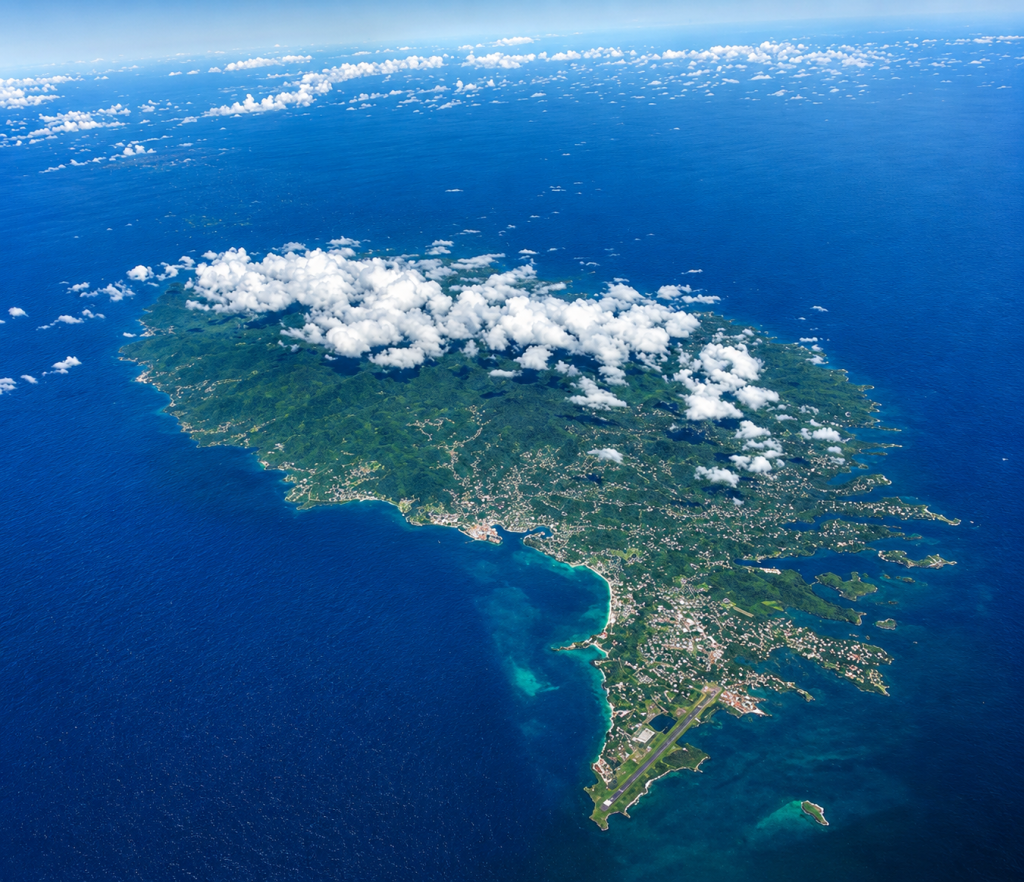
Most visitors enter Grenada through Maurice Bishop International Airport, located at Point Salines in the southern part of the island. For many travelers, this airport becomes their first real impression of Grenada. Unlike huge international hubs, Maurice Bishop International feels manageable. Immigration lines move at a Caribbean pace, sometimes fast, sometimes not, and staff interactions often feel more personal than what visitors are used to in North America or Europe.
The airport itself has an interesting history. Older Grenadians still remember when its construction became entangled with the island’s political tensions during the Revolution and the 1983 intervention. What many visitors do not realize is that the airport is tied to one of the most significant moments in modern Grenadian history.
Flights regularly connect Grenada with places like Canada, the United States, the UK, Trinidad, Barbados, and neighboring Caribbean islands. During tourist season, especially from December to April, airport activity increases noticeably as visitors escape colder weather.
Before Maurice Bishop International became the country’s main airport, Grenada relied heavily on Pearls Airport in St. Andrew. Today, Pearls Airport is no longer used for commercial flights, but its abandoned runway and aircraft remain one of the island’s strangest hidden landmarks. Some locals barely think about it anymore, while visitors often find it fascinating.
Carriacou also has a smaller regional airport, Lauriston Airport, mainly serving domestic and regional flights. Flying between mainland Grenada and Carriacou gives visitors a completely different perspective of the islands from above, especially on clear days when the sea shifts between deep blues and bright turquoise.
Grenada’s Population (as of 2026)
Grenada’s population sits around 125,000 people, though exact numbers fluctuate due to migration, return migration, temporary workers, and overseas movement. What surprises many visitors is how small that number feels once you spend time on the island.
In practical terms, Grenada can feel like a place where everybody somehow knows somebody who knows somebody you just met. It is common to mention a surname and immediately hear, “You mean the family from Grenville?” or “You talking about the people from St. David?” Family connections matter.
The majority of people live on mainland Grenada, with smaller populations spread across Carriacou and Petite Martinique. The south, especially around St. George’s and Grand Anse, tends to feel more populated and economically active because of tourism, universities, business activity, and government offices.
Grenada’s demographics reflect centuries of history. Most Grenadians are of African descent, shaped by the history of slavery and plantation agriculture. There are also communities with East Indian, European, Syrian-Lebanese, Chinese, and mixed ancestry. While Grenada is diverse, identity tends to feel more cultural than racial in everyday interactions. Community, family, neighborhood, and upbringing often matter more than labels.
One lesser-discussed reality is migration. Many Grenadian families stretch across several countries at once. It is common to have relatives in New York, Toronto, London, or Birmingham while maintaining strong ties to home.
Grenada’s Currency: Understanding Money in Grenada Without Getting Confused
Grenada uses the Eastern Caribbean dollar, usually written as EC$. This catches many visitors off guard because prices may simply say “$” without clarifying which currency is being used. The exchange rate is officially fixed at approximately EC$2.70 to US$1, though many local shops casually round to EC$2.50 for US cash, especially for convenience. That small difference matters more than visitors realize. For example, if something costs EC$100, paying in US dollars at a shop using a $2.50 conversion rate means you may effectively spend more than if you exchanged money properly beforehand.
Here is what surprises visitors:
Some businesses happily accept US dollars
Some return change in EC currency
Some use their own practical exchange rate
Smaller shops may prefer EC cash
Not all roadside vendors take cards
Visitors who stay longer usually end up preferring EC dollars because it removes confusion and often saves money.
Grenada has several major banking institutions, including branches of Republic Bank Grenada, Grenada Co-operative Bank, and CIBC Caribbean Grenada. ATMs are widely available in larger towns, though outages and temporary downtime do happen, especially after storms or system issues.
One practical local habit worth knowing is that many Grenadians still prefer cash for smaller purchases. You might buy groceries with a card, then stop at a fruit vendor who only takes cash.
Religion in Grenada
Religion in Grenada shapes daily life more than many visitors initially notice. Churches are not just places of worship. They often function as community anchors, social networks, support systems, and places where people maintain long-standing relationships.
Roman Catholicism has historically been one of the strongest religious influences, especially because of French colonial history. Anglican traditions also remain visible, particularly in older communities and institutions. But religion in Grenada is much broader than outsiders often realize. Seventh-day Adventist Church communities are highly active and visible across the island. Many schools, businesses, and community programs have strong Adventist connections. Sabbath observance is taken seriously by many families. Spiritual Baptists maintain traditions deeply tied to Caribbean spiritual expression. Services can feel deeply emotional, musical, and communal in ways visitors sometimes find powerful.
What many travel articles skip entirely is folk spirituality. Older generations often speak about dreams, signs, warnings, herbal protections, or stories involving spirits and supernatural beliefs. Even deeply religious people may quietly believe in both Christianity and traditional understandings of unseen forces at the same time.
Schools in Grenada
Education matters deeply in Grenada, often because families see it as a pathway to opportunity, migration, or economic mobility.
Children begin at preschool, move into primary school, and then secondary education. School uniforms remain a major part of daily life, and mornings across Grenada often begin with children waiting for buses in neat uniforms while parents rush around preparing lunches. Competition for strong secondary schools can be serious because performance influences future opportunities. Schools like Presentation Brothers’ College and St. Joseph’s Convent have longstanding reputations.
At the tertiary level, Grenada is internationally known for St. George’s University, especially in medicine. SGU dramatically shapes parts of southern Grenada economically. Housing, restaurants, transport, and businesses all feel its influence.
Many Grenadians also study abroad, particularly in the UK, Canada, Cuba, China, Trinidad, and the United States.
Transportation in Grenada


Transportation in Grenada deserves its own explanation because it works differently from what many visitors expect. The backbone of public transport is the minibus system, recognizable by route numbers displayed on the front.
Major routes include:
Bus #1: Grand Anse to St. George’s
Bus #2: Frequente and SGU areas
Bus #3: Westerhall and southeastern communities
Bus #4: St. David routes
Bus #5: Grenville and the eastern side
Bus #6: Sauteurs in the north
Bus #7: River Road, Tempe, and Mt. Parnassus area, often useful for travelers staying at Mt. Parnassus Inn
Bus #8: Gouyave and the western side
Bus #9: Victoria and St. Mark areas
What surprises visitors is how informal buses feel. There are designated routes, yes, but people often simply wave one down roadside. Drivers may stop almost anywhere safe.
The social experience matters too. Music might be playing loudly. Conversations happen between strangers. Somebody may joke with the driver. People casually say good morning to everyone entering.
Taxis are available but cost significantly more than buses. Visitors who rely entirely on taxis often spend far more than expected.
Driving yourself gives freedom, but mountain roads can feel intimidating at first. Sharp bends, narrow lanes, hills, and occasional goats wandering near roads are simply part of island life.
The Drinking Age and Drinking Culture in Grenada
Grenada’s legal drinking age is 18, and unlike some countries, drinking alcohol in public is generally allowed. It is not unusual to see people quietly drinking beer during beach gatherings, family events, fishing limes, or local celebrations. Rum shops remain important social spaces, especially for conversation and community.
What surprises visitors is that public drinking usually feels less chaotic than they expect. Social expectations matter. Being visibly disrespectful or disorderly attracts attention quickly. The culture tends to value enjoying yourself without causing problems for others.
Driving in Grenada: What Visitors Should Know Before Renting a Vehicle
Driving in Grenada can feel exciting or slightly terrifying depending on what you are used to. The island drives on the left-hand side of the road, which already catches some visitors off guard, especially travelers from North America. The legal driving age is 18, but renting a vehicle as a visitor often comes with higher minimum age requirements depending on the rental company.
Foreign visitors can usually drive using a valid foreign license, but there is an important detail many travel sites barely explain. You are often expected to obtain a temporary local driving permit, usually arranged by rental agencies for a small fee. Most rental companies handle this quickly as part of the rental process, but it is worth confirming beforehand.
What makes driving in Grenada unique is not just the road rules. It is the roads themselves. Grenada is mountainous. Roads curve constantly, hills can feel steep, and some areas narrow unexpectedly. Locals often drive confidently because they know every bend by memory. Visitors usually need a day or two to adjust.
You may find yourself sharing roads with:
goats crossing casually
chickens appearing unexpectedly
minibuses stopping quickly for passengers
delivery trucks navigating impossible-looking corners
people walking on the roadside in villages
One unwritten rule visitors learn quickly is that horn use is often practical, not aggressive. A short beep on a blind corner may simply mean, “I coming through,” not anger.
Night driving deserves extra caution. Some roads are poorly lit, village roads may have pedestrians walking without reflective clothing, and rain can suddenly reduce visibility. Still, many travelers say renting a car becomes one of the best decisions they made because it allows them to discover quiet beaches, mountain villages, hidden food spots, and roadside fruit stalls that organized tours often miss.
Public Holidays in Grenada
Public holidays in Grenada are not just dates on a calendar. They have personalities.
Visitors expecting perfectly scheduled, commercial holiday experiences sometimes misunderstand how community-centered celebrations feel here. Holidays often mean family gatherings, church services, food, beach trips, domino games, rum, music, and reconnecting with relatives.
Independence Day, February 7
Grenada Independence Day feels patriotic without becoming overly formal. Schools, businesses, and communities often decorate with the national colors of red, yellow, and green.
Locals wear national clothing, schools organize performances, and community pride becomes highly visible. Some people celebrate enthusiastically, while others quietly reflect on Grenada’s political journey and challenges since independence. You may hear plenty of local debate, too. Grenadians are proud of their island, but also honest about frustrations. Patriotism here often includes criticism mixed with love.
Easter
Easter feels deeply family-oriented and religious. Church attendance increases dramatically, especially during Good Friday and Easter Sunday. Beaches become social spaces filled with families cooking, children swimming, and music playing softly in the background. Food matters during Easter, too. Fish dishes become more common, and many families gather across generations.
Labour Day
Labour Day can feel quieter than visitors expect, but it still carries importance, especially among older generations who remember stronger labor activism and political organizing.
Emancipation Day
This holiday carries emotional and historical significance because it reflects Grenada’s history of slavery and resistance. Some communities organize cultural events, drumming, storytelling, and discussions around African heritage and identity. Visitors who happen to be on the island during this period often gain a much deeper understanding of Grenadian history.
Spicemas and Carnival Season
Spicemas is less of a single holiday and more of a national mood shift. The energy changes. Music becomes louder. Practice sessions begin. Conversations increasingly revolve around costumes, bands, competitions, and events. Steelpan rehearsals drift through communities at night.
Carnival in Grenada feels deeply local, even though visitors attend. Unlike destinations that feel entirely tourist-focused, Spicemas still feels like something Grenadians genuinely own. Jab Jab culture, traditional mas, soca competitions, and community pride all shape the atmosphere.
Many visitors expect only feathers and parties. They leave realizing Carnival also carries memory, resistance, humor, rivalry, and social storytelling.
Christmas
Christmas in Grenada feels warm in both weather and emotion. Homes get cleaned thoroughly, fresh paint sometimes appears, relatives return from abroad, and cooking becomes serious business. The smell of sorrel, black cake, ham, and spices fills homes. Music shifts, too. Parang, soca parang, and Christmas songs begin appearing in neighborhoods. For many Grenadian families overseas, Christmas is one of the main reasons people return home.
Locals even have a phrase:
“Christmas come, everybody remember Grenada.”
Carnival Monday and Tuesday
These days are loud, energetic, and unforgettable. Jab Jab, one of Grenada’s most distinctive carnival traditions, deserves special mention. Covered in black oil, chains, and symbolism tied to resistance and emancipation, Jab Jab feels powerful and unlike carnival traditions elsewhere.
Visitors often misunderstand it at first. It is not simply costume play. It carries historical meaning. The atmosphere shifts dramatically between daytime traditions and nighttime celebrations. Streets fill with music, dancing, vendors, food, and endless social interaction.
Beaches in Grenada


Grenada has dozens of beaches, but what many visitors miss is that each one feels emotionally different.
Grand Anse Beach
Grand Anse Beach is the postcard beach, and honestly, it earns the reputation. Two miles of soft sand, calm water, restaurants nearby, and views stretching beautifully across the bay. Yet locals often experience it differently from tourists. Early mornings belong to walkers and joggers. Weekends bring families, coolers, children, and beach cooking. The best version of Grand Anse often happens early in the morning before crowds arrive.
Morne Rouge Beach
Morne Rouge Beach feels calmer and more intimate. The water tends to stay gentle, making it popular for families and people who simply want to float quietly without constant activity. Locals sometimes call it BBC Beach, and many residents prefer it over Grand Anse for peaceful swimming.
Magazine Beach
Close to the airport, Magazine Beach feels surprisingly relaxed considering its location. It often attracts people who want beautiful scenery without larger crowds.
La Sagesse Beach
La Sagesse Beach feels hidden compared to southern beaches. The atmosphere is slower, quieter, and deeply relaxing. Families often spend long afternoons here simply talking, eating, and swimming.
Levera Beach
Levera Beach feels dramatic rather than gentle. The Atlantic side creates stronger waves and rougher water, but the scenery feels unforgettable. On clear days, nearby islands appear in the distance. It is also one of Grenada’s important turtle nesting areas.
Bathway Beach
Bathway Beach becomes extremely lively on weekends. Families arrive with coolers, pots of food, speakers, tents, and enough supplies to stay all day. The offshore reef helps create calmer swimming areas, making it popular with children.
Black Bay Beach
One of Grenada’s lesser-known beaches, Black Bay feels almost secretive. Fewer crowds, darker volcanic sand in sections, and a quieter atmosphere make it appealing for travelers who prefer hidden places.
Secret Beaches Locals Sometimes Keep Quiet
Grenadians quietly know that some of the best beaches are unnamed or hard to find. Small coves tucked between villages, beaches requiring short walks, or stretches of sand known mainly to nearby residents often end up becoming visitors’ favorite memories. One reality
Waterfalls in Grenada
Annandale Falls may be the most famous waterfall, but Grenada’s waterfall culture goes much deeper than tourist brochures suggest. Waterfalls here are not just attractions. For many Grenadians, they are childhood memories, family picnic spots, swimming places, and weekend escapes. Some families have been visiting the same river spots for generations.
Annandale Falls
Easy to access and popular with visitors, Annandale feels almost theatrical because of its accessibility. Divers sometimes leap dramatically into pools below, especially when crowds gather.
Concord Falls
Concord Falls offers a layered experience because there are multiple falls, and fewer visitors continue deeper into the upper sections. The farther you go, the quieter things become.
Seven Sisters Falls
Seven Sisters Falls feels more adventurous because reaching it requires some hiking. The surrounding rainforest often feels alive with sounds, insects, birds, and shifting mist.
Mt. Carmel Falls
Mt. Carmel Falls remains one of Grenada’s tallest waterfalls and somehow still feels underrated. Cool water, thick greenery, and fewer crowds often make it memorable.
Hidden Waterfalls
Many unnamed falls exist quietly across Grenada. Some locals hesitate to reveal locations openly because overexposure can bring littering or damage.