Grenada National Museum: A Journey Through the History, Culture, and People of the Spice Isle
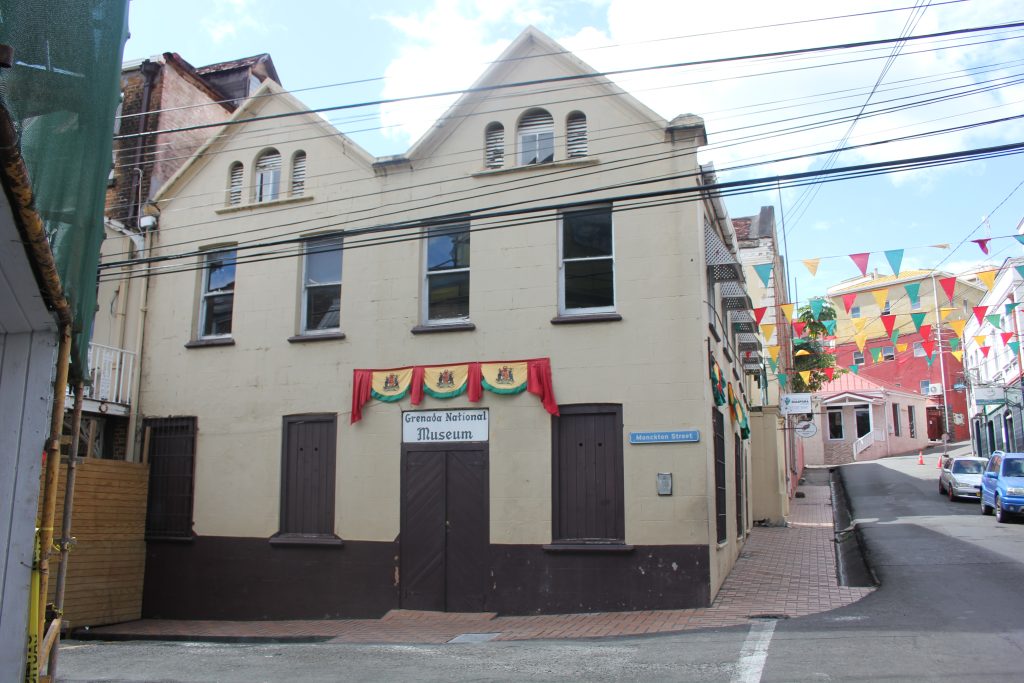
Located in the heart of St. George’s, just steps from the famous Carenage waterfront and directly beside the popular House of Chocolate, the Grenada National Museum is one of the island’s most rewarding cultural attractions. While it may not be the largest museum in the Caribbean, what it lacks in size it more than makes up for in authenticity, historical depth, and the passion of the volunteers and staff who have worked tirelessly to preserve Grenada’s story for future generations.
For visitors staying at Mt. Parnassus Inn, the museum is only a short drive away and makes an excellent addition to a day spent exploring St. George’s. Many travelers combine a visit to the museum with a walk through Market Square, a stroll along the Carenage, lunch at a waterfront restaurant, and a stop at the House of Chocolate for a refreshing chocolate drink.
A Historic Building With Its Own Story
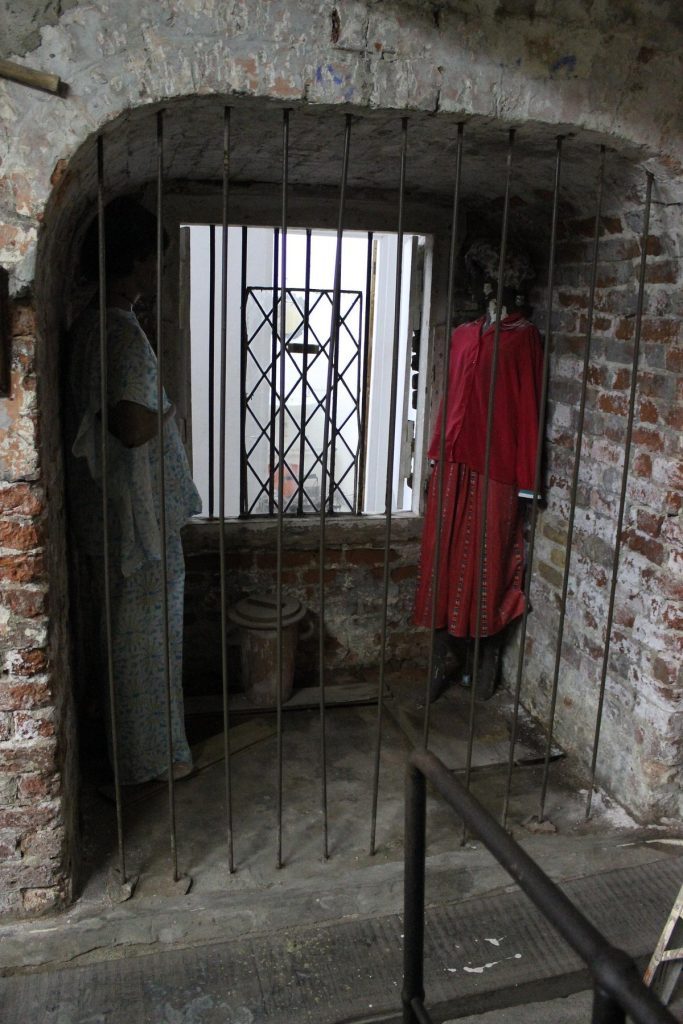
Before you even step inside, the building itself tells part of Grenada’s fascinating history. The museum occupies one of the oldest surviving structures in St. George’s. Over the centuries, it has served as a French military barracks, a prison, a government office, and even temporary accommodation for visitors.
Its thick stone walls and historic architecture offer a glimpse into colonial Grenada, making the museum itself one of the exhibits. Walking through the halls, it is easy to imagine the countless people who passed through these rooms during some of the island’s most important historical periods.
Discover Grenada’s First Inhabitants
One of the most fascinating sections of the museum explores Grenada long before European ships appeared on the horizon.
Visitors can learn about the island’s earliest inhabitants, including the Arawaks and later the Caribs, who lived on Grenada for centuries. Displays feature pottery fragments, tools, ceremonial objects, and archaeological discoveries that help tell the story of these indigenous peoples.
Many guests are particularly intrigued by the Carib stones and artifacts, which provide insight into daily life, trade, fishing, agriculture, and spiritual practices. The exhibits also explain how European diseases and colonization dramatically impacted the native population, changing the course of Grenadian history forever.
The Colonial Era and the Plantation Economy
As you continue through the museum, the story shifts to the arrival of European powers. Grenada changed hands multiple times between the French and British, and the museum does an excellent job illustrating how these struggles shaped the island.
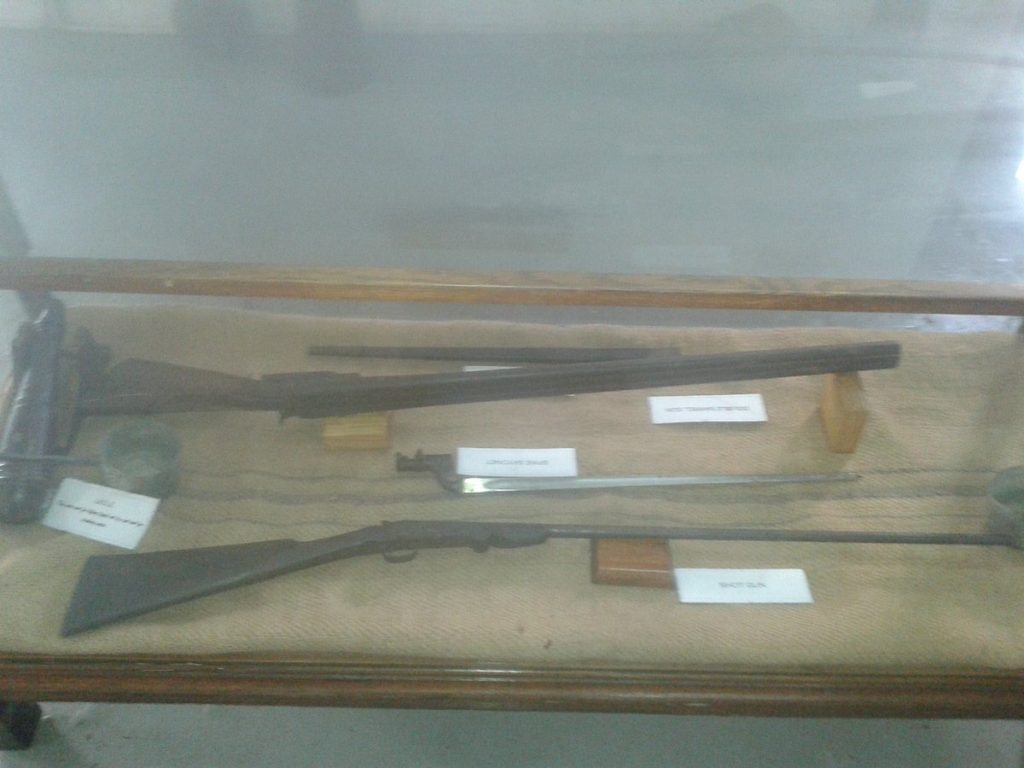
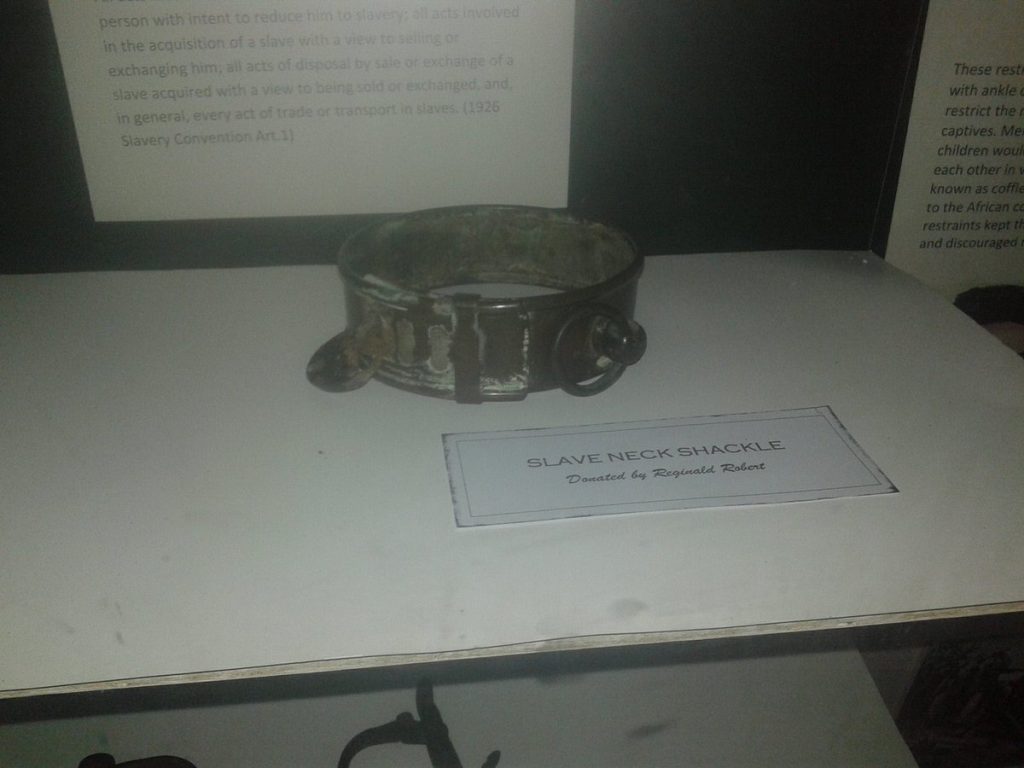
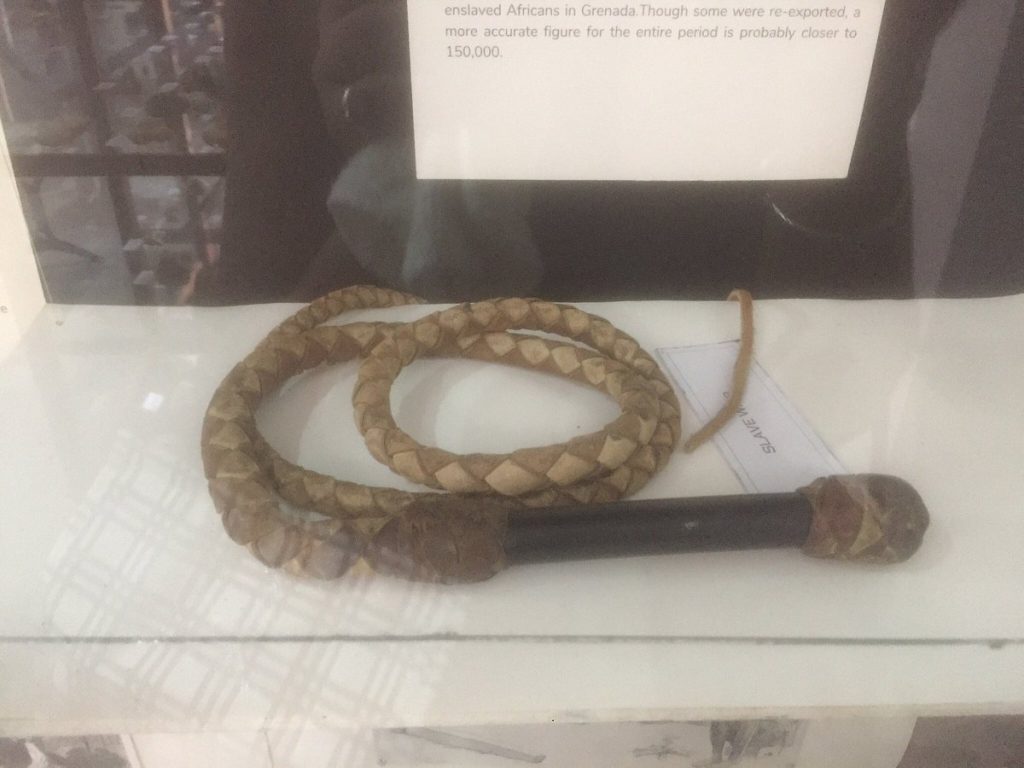
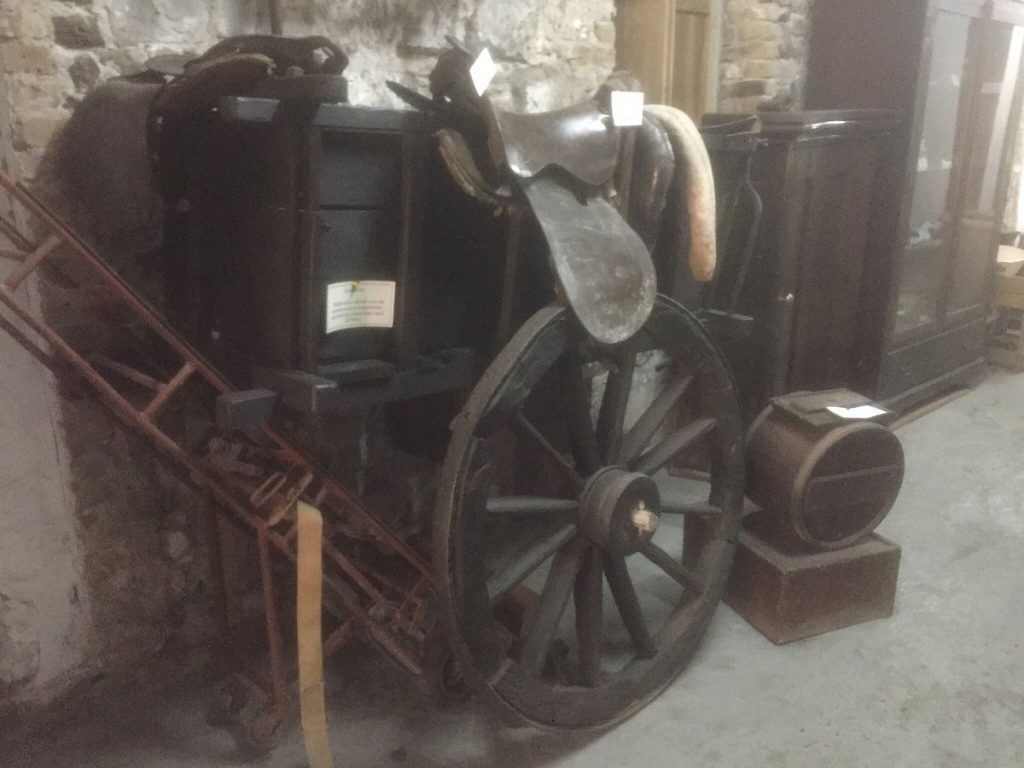
Displays covering slavery, plantation life, and colonial society provide an honest look at some of the most difficult chapters in Grenada’s past. Agricultural artifacts, plantation tools, maps, and photographs help visitors understand how sugar, cocoa, and later nutmeg transformed the island’s economy.
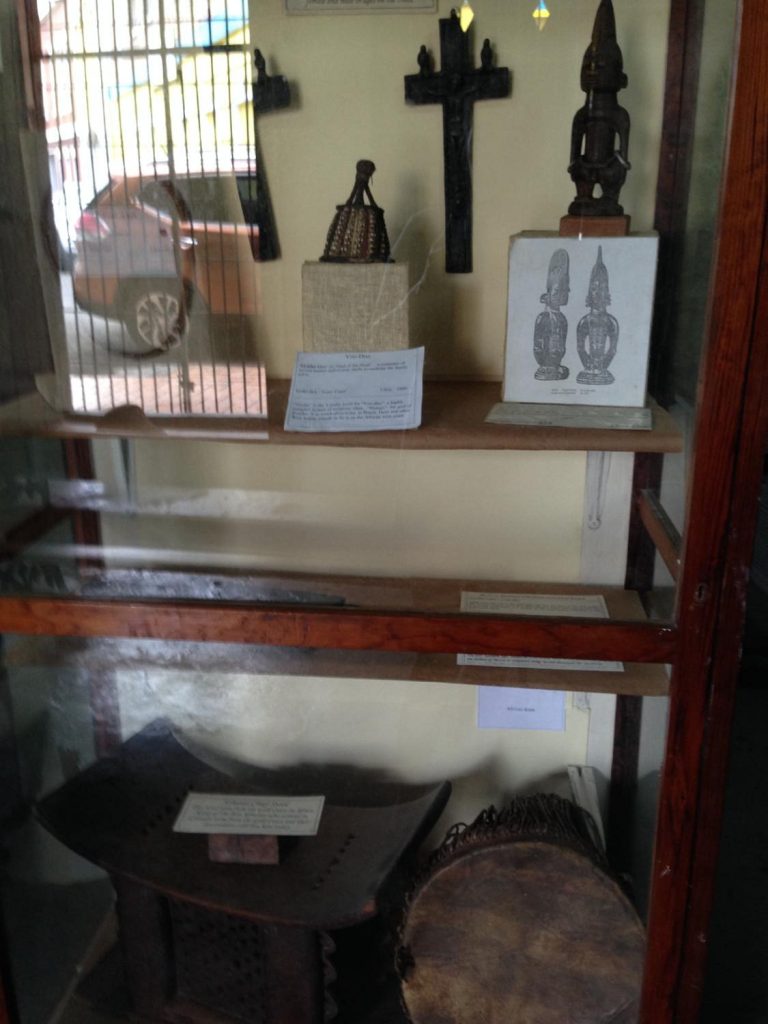
Particularly moving are exhibits that document the lives of enslaved Africans who labored under extremely harsh conditions on Grenada’s plantations. Recent exhibits such as the remarkable “Say My Name” project have helped bring individual stories to life by documenting the names of enslaved Africans and their descendants who lived and worked on Grenadian estates.
Rather than reducing history to statistics, these exhibits remind visitors that real people lived, struggled, and helped build the Grenada we know today.
Rum, Cocoa, Nutmeg, and Grenada’s Agricultural Heritage
No museum dedicated to Grenada would be complete without celebrating the industries that earned the island its nickname, “The Spice Isle.”
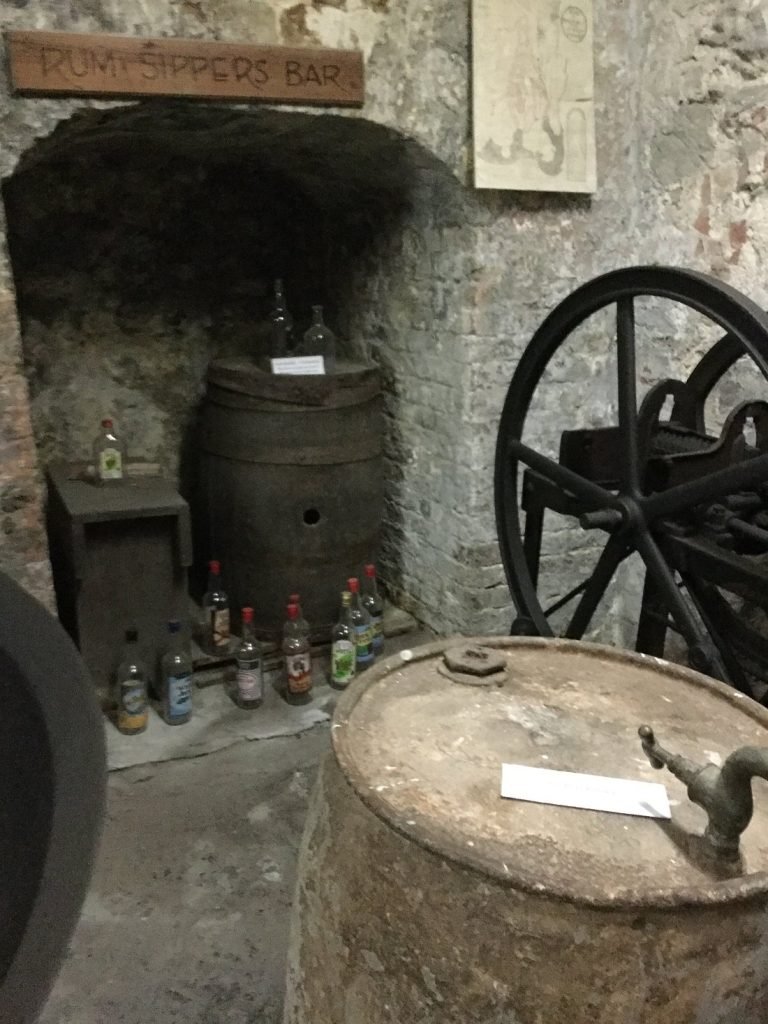
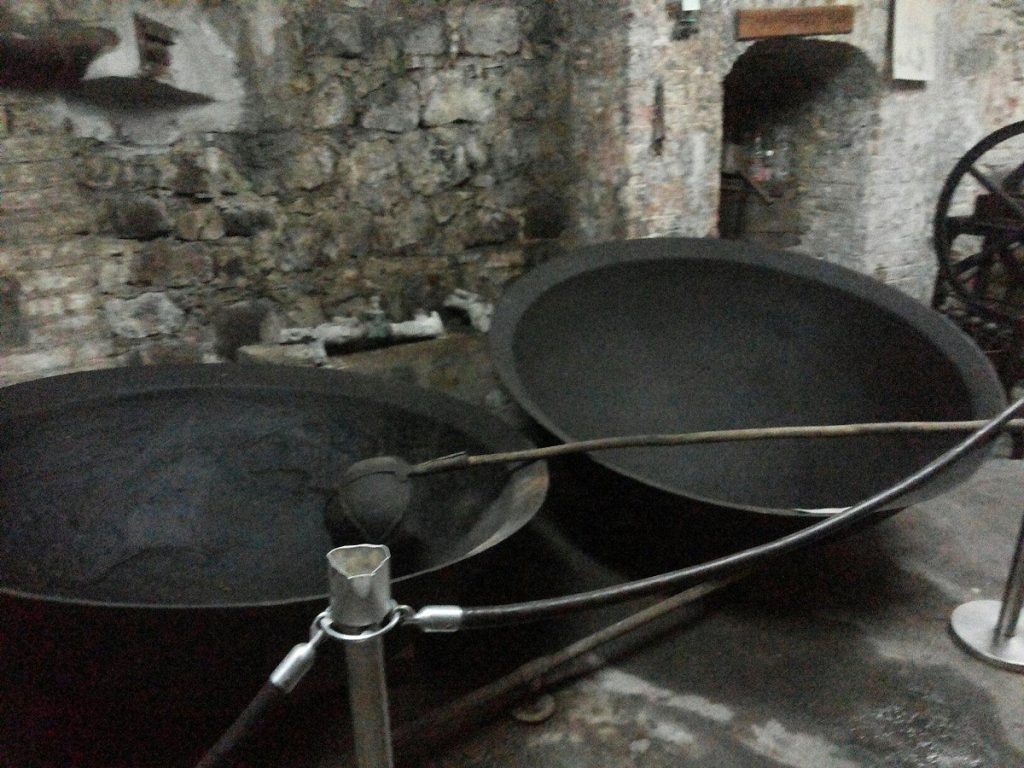
Visitors can examine vintage equipment used in sugar production, rum distillation, cocoa processing, fishing, and agriculture. Many travelers are surprised to learn how much of Grenada’s history is connected to these industries.
The displays help explain why nutmeg remains such an important symbol of national identity that it even appears on Grenada’s flag. Exhibits covering cocoa production are equally fascinating and provide useful context before visiting local chocolate producers elsewhere on the island.
Independence, Revolution, and the Events of 1983
Many visitors find the museum’s upstairs galleries to be the most memorable section of all.
The upper floor focuses on modern Grenadian history, including independence from Britain in 1974, the rise of Maurice Bishop and the People’s Revolutionary Government, Grenada’s relationship with Cuba, and the dramatic events that led to the United States-led intervention in 1983.
Through newspaper articles, photographs, historical documents, and firsthand accounts, visitors gain a deeper understanding of one of the most significant periods in Caribbean history.
Regardless of political perspective, the exhibits encourage visitors to examine the events from multiple viewpoints and better understand how they shaped modern Grenada.
For travelers unfamiliar with this chapter of the island’s past, this section alone makes the museum worth visiting.
Unique Artifacts You Might Not Expect
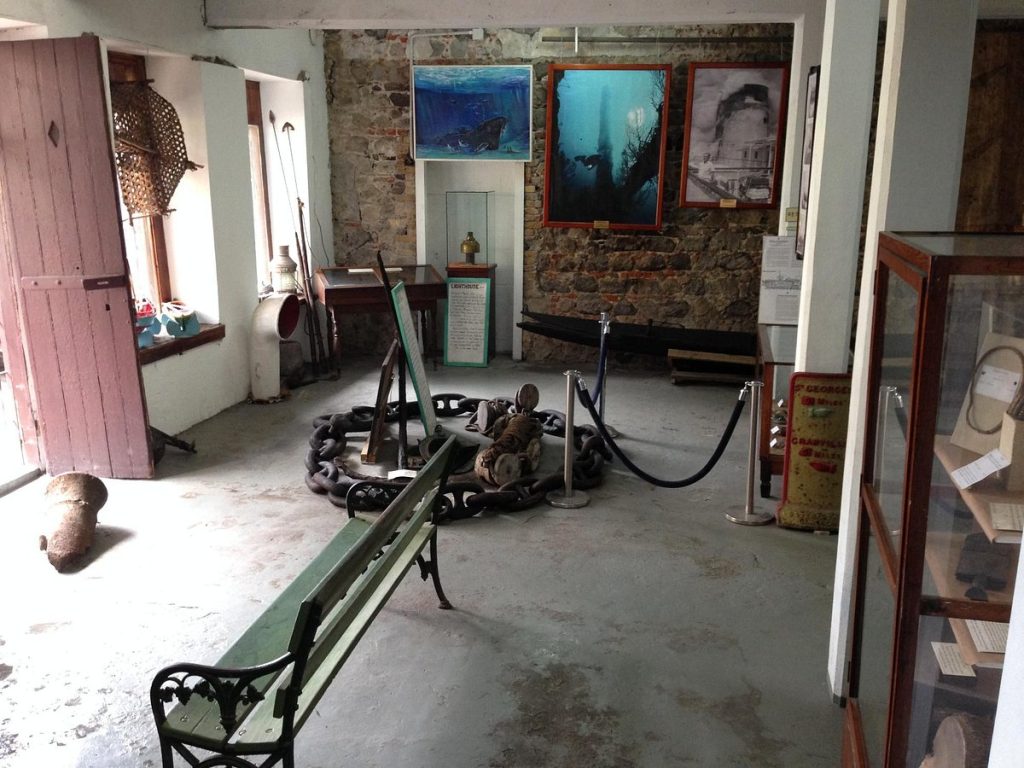
One of the pleasures of visiting the Grenada National Museum is discovering unusual items that many guidebooks never mention.
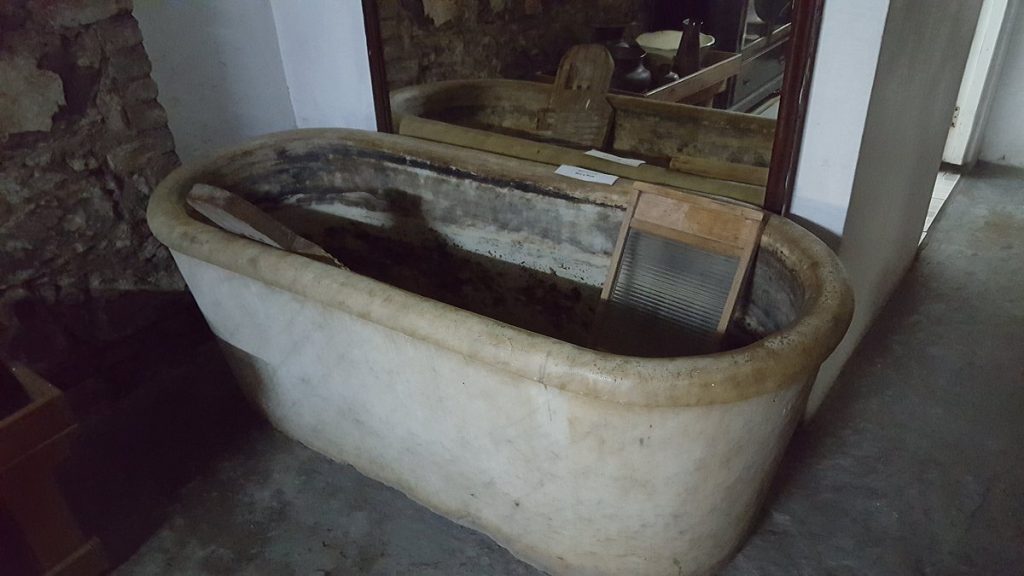
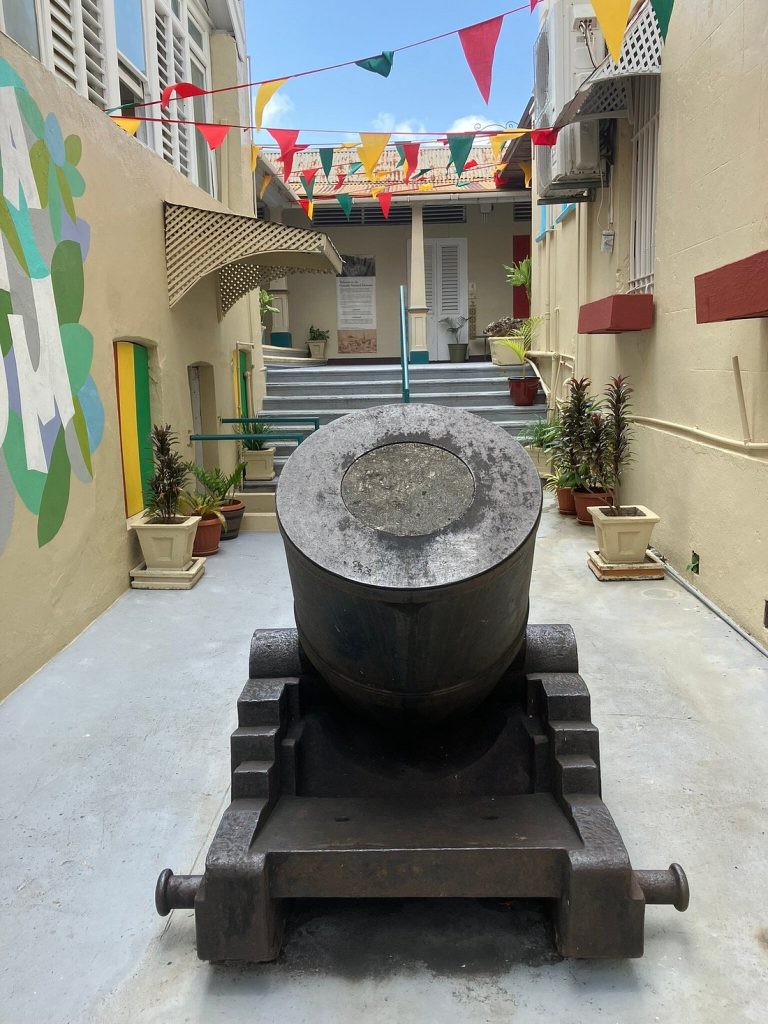
Among the collection are whale bones, historical flags, old agricultural machinery, carnival costumes, maritime artifacts, fishing equipment, colonial-era documents, and even a marble bathtub reportedly associated with Empress Josephine’s family heritage in the French Caribbean.
Many visitors also enjoy seeing the last British flag flown over Grenada and one of the first national flags raised after independence. These pieces help connect major historical events to tangible objects that visitors can see up close.
The People Behind the Museum
Perhaps the museum’s greatest strength is the dedication of the people who keep it running. Visitors frequently praise the volunteers, curators, and staff for their friendliness and knowledge. Unlike many larger museums where exhibits stand alone, the Grenada National Museum often provides opportunities to speak directly with people who are passionate about preserving the island’s heritage. Their stories and personal insights add an extra dimension to the experience and help bring the exhibits to life.
Helpful Visitor Tips
- The museum is located directly beside the House of Chocolate and opposite the Courts building in downtown St. George’s. It is easy to reach from the cruise ship terminal by walking through the Sendall Tunnel and heading toward the Carenage.
- Admission remains one of the best values on the island, typically around EC$5 (approximately US$2) per person, making it accessible to virtually every visitor.
- Because the museum is housed in a historic building, some areas can become warm during the middle of the day. Comfortable clothing, water, and a slow pace are recommended.
- Don’t miss the upstairs exhibits. Many travelers focus only on the ground floor and nearly miss the fascinating displays covering Grenada’s modern political history.
- Take time to browse the small gift shop, which often carries local books, handmade products, and unique souvenirs that support the museum’s ongoing preservation efforts.
Opening Hours
Monday to Friday: 9:00 AM to 4:30 PM
Saturday: 10:00 AM to 1:30 PM
Sunday: Closed
Why Every Visitor Should Include It on Their Itinerary
- Grenada’s beaches are world-famous, its waterfalls are breathtaking, and its food is unforgettable. Yet understanding the island’s history adds a whole new dimension to every experience.
- The Grenada National Museum provides that context.
- From the first Amerindian communities and colonial conflicts to independence, revolution, and modern nationhood, the museum tells the remarkable story of a resilient people and a unique Caribbean nation.
- For guests staying at Mt. Parnassus Inn, it offers one of the best opportunities to move beyond the typical tourist experience and gain a genuine appreciation for the people, traditions, struggles, and triumphs that have shaped Grenada.
- Small in size but rich in substance, the Grenada National Museum remains one of the most worthwhile cultural experiences on the Spice Isle.