What Is the Inside Information on Food in Grenada?
One of the most common questions we hear from guests planning a trip to Grenada is, “How much does food cost?” It’s a fair question. Whether you’re staying in a vacation rental, villa, Airbnb, or self-catering apartment, food is often one of the biggest expenses after accommodations and airfare. The challenge is that most visitors arrive without a clear understanding of local prices, where to shop, or how far their grocery budget will actually go.
The truth is that food in Grenada isn’t necessarily cheap, but it isn’t outrageously expensive either. The answer depends largely on what you eat, where you shop, and how closely your eating habits match those of the local population. Understanding a few local realities before you arrive can help you budget properly, avoid surprises at checkout, and enjoy the island’s incredible food culture without overspending.
Is Food Expensive in Grenada?
The short answer is yes and no.
If you’re visiting from cities such as New York, Los Angeles, Toronto, or London, grocery prices in Grenada may feel relatively familiar. However, travelers arriving from smaller cities or areas with lower living costs may be surprised by some of the prices they encounter.
Grenada imports a significant amount of its food. While locally grown fruits, vegetables, spices, and seafood can offer excellent value, imported products often carry noticeably higher price tags. Many visitors are especially surprised by the cost of imported fruits, specialty health foods, premium wines, and familiar North American brands.
The closer you stay to local products and seasonal ingredients, the more affordable your grocery bill is likely to be.
How Much Should You Budget for Food?
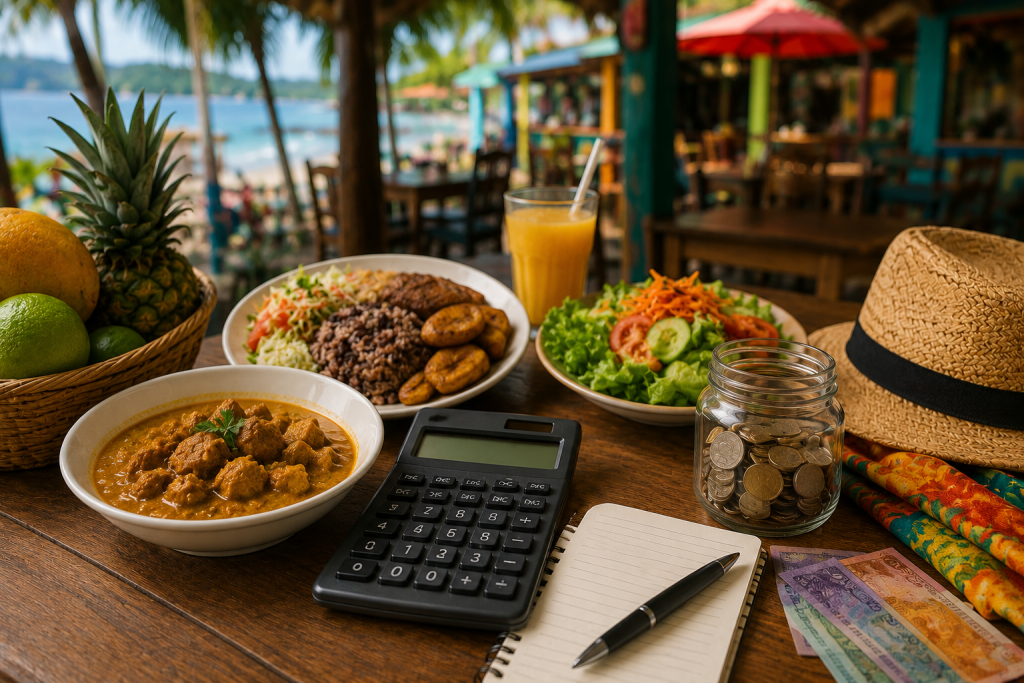
For most visitors staying in vacation rentals, we generally recommend budgeting between US$25 and US$50 per person per day for groceries. This estimate works well for most travelers who prepare some meals at home while occasionally dining out.
For a couple staying one week in Grenada, that translates to roughly:
| Days | Budget Per Person | Total For Two |
|---|---|---|
| 7 Days | US$25–50 Daily | US$350–700 |
This estimate does not include alcohol, special celebrations, premium imported products, or frequent restaurant dining.
The real question isn’t how much food costs. The real question is how well you want to eat while you’re here. Visitors who fill their cart with local fruits, vegetables, rice, fish, and chicken can keep costs relatively manageable. Those who prefer imported steaks, specialty cheeses, premium wines, smoked salmon, and international snack brands should expect a significantly higher bill.
Why Food Prices Vary So Much
Several factors influence food costs throughout Grenada.
Local vs Imported Products
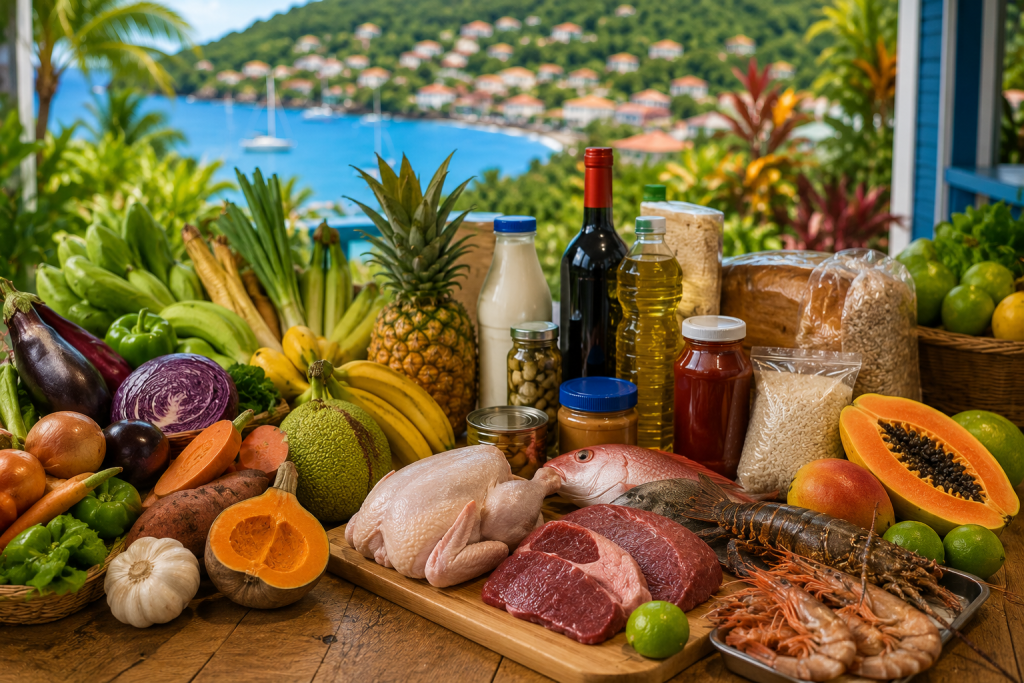
One of the biggest factors is where the food comes from. Locally grown produce such as mangoes, bananas, breadfruit, dasheen, plantains, and spices are often much more affordable than imported fruits and vegetables. Items such as apples, pears, seedless grapes, kiwi, plums, and specialty health foods are typically imported and often cost considerably more than visitors expect.
Your Vacation Menu
Your grocery budget can change dramatically depending on your meal choices. Chicken remains one of the more affordable protein options. Seafood can vary depending on availability and season. Imported meats such as steak, lamb, and some specialty cuts can become expensive quickly. Popular local dishes such as curried goat, oxtail, and some seafood specialties are often more expensive than visitors anticipate because of the cost of the ingredients used.
Eating Habits
A family eating three large meals a day, plus snacks, drinks, desserts, and appetizers, will naturally spend more than travelers who enjoy a lighter schedule of breakfast and dinner. Portion size matters too. Many visitors underestimate how quickly grocery bills add up when feeding larger groups.
Group Size
Interestingly, larger groups often spend less per person than smaller groups. Bulk purchases create opportunities for savings that couples and solo travelers don’t always enjoy.
The Secret to Saving Money on Food in Grenada
The easiest way to save money is to eat like a local. Grenadian cuisine is built around fresh ingredients, seasonal produce, seafood, spices, rice, provisions, and flavorful home-style cooking. Not only is local food often more affordable, but it is also one of the best ways to experience the culture of the Spice Isle.
Some local favorites worth trying include:
- Oil Down, Grenada’s national dish
- Callaloo soup
- Fried bake and saltfish
- Fish cakes
- Pelau
- Curried chicken
- Curried goat
- Fresh grilled fish
- Breadfruit dishes
- Local tropical fruits
Visitors who embrace local flavors often find their grocery budget stretches much further.
Understanding VAT and Taxes
Many visitors forget to factor taxes into their budget. Grenada applies a Value Added Tax (VAT) of approximately 15% to many goods and services. However, some staple items such as bread, milk, eggs, rice, and many locally grown fruits and vegetables may be exempt or taxed differently.
This means that two shopping carts with similar amounts of food can produce very different final totals depending on what has been purchased.
Converting Prices to US Dollars
Grenada’s currency is the Eastern Caribbean Dollar (EC$). A commonly used exchange rate is:
US$1.00 = EC$2.70
To estimate the US dollar value of a grocery purchase, simply divide the EC dollar amount by 2.70.
For example:
- EC$27 = US$10
- EC$54 = US$20
- EC$135 = US$50
Visitors should remember that individual stores may use slightly different exchange rates (US$1.00 = EC$2.50), particularly when accepting US cash. Credit card purchases typically follow the exchange rate set by the card issuer.
Where Do Locals and Visitors Shop?
Many visitors quickly discover that where you shop can have a major impact on both price and selection.

St. George’s Fish Market
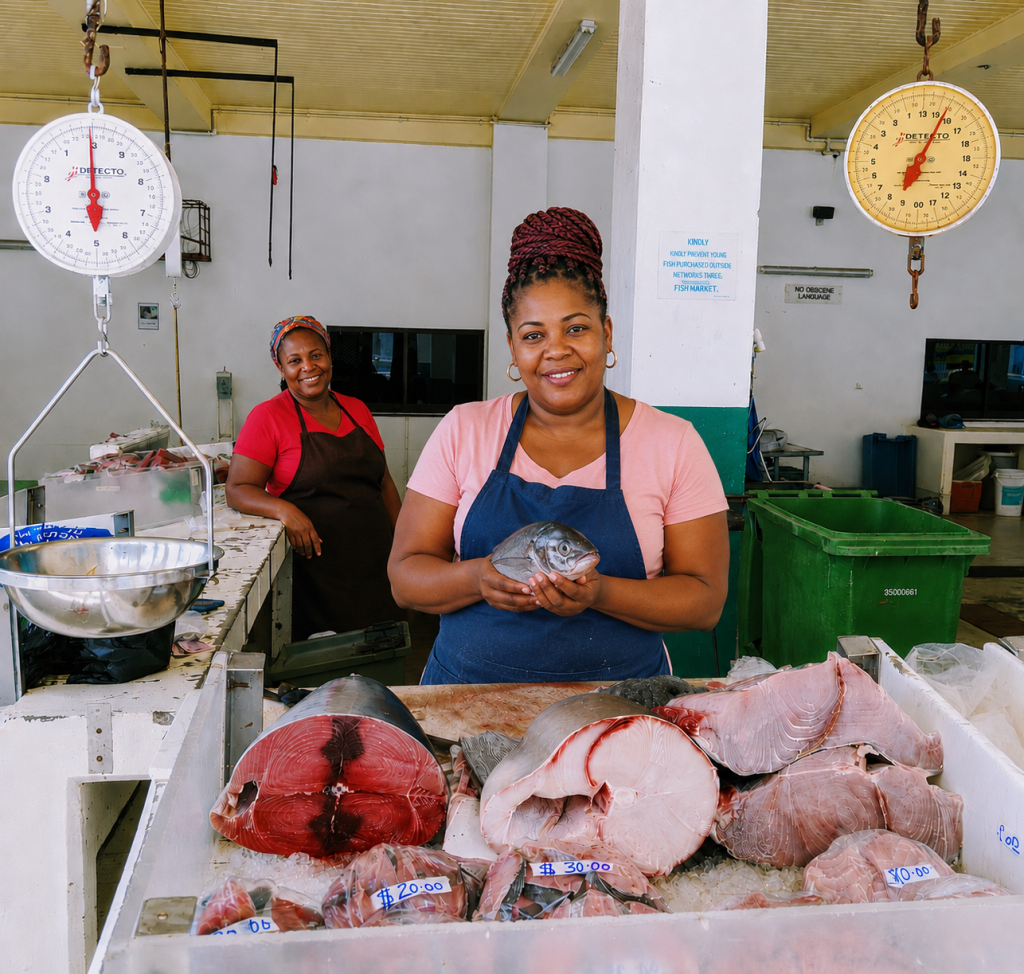
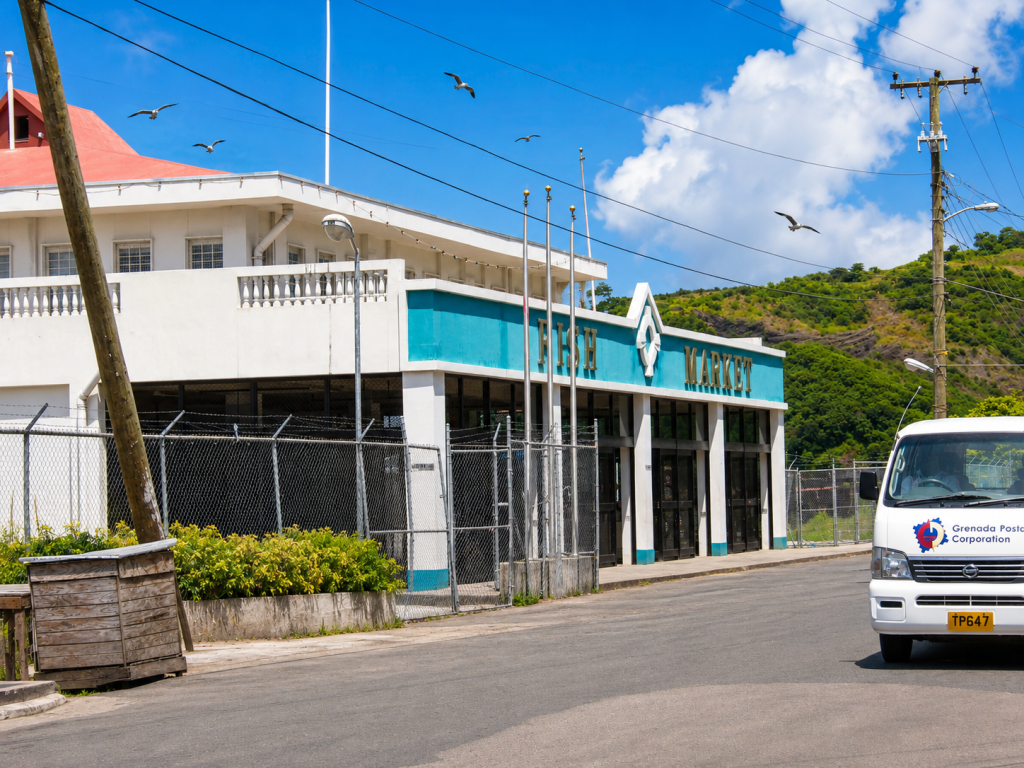
St. George’s Fish Market, located just a short walk from the St. George’s Market and the Carenage waterfront, is one of the best places on the island to experience Grenada’s fishing culture firsthand. The market offers visitors the opportunity to purchase freshly caught fish at prices that are often significantly lower than those found in supermarkets. Depending on the day’s catch, shoppers may find tuna, mahi-mahi (dolphin fish), kingfish, snapper, jacks, flying fish, barracuda, lobster, conch, and other local seafood brought in directly from fishing boats operating around Grenada and its sister islands. Early mornings are usually the busiest time, as fishermen unload their catch and local restaurant owners, vendors, and residents arrive to secure the freshest selections. Visitors can often watch fish being cleaned, filleted, and prepared on-site while learning about local fishing traditions from the vendors themselves.
What many tourists don’t realize is that a large portion of the seafood served in local restaurants passes through this market first. Travelers staying in vacation rentals with kitchen facilities can take advantage of the fresh selection to prepare authentic Caribbean meals at a fraction of restaurant prices. Many vendors are happy to clean and prepare fish for customers, making it easy even for visitors unfamiliar with local seafood. The surrounding area also provides a glimpse into daily life in St. George’s, with fishing boats coming and going throughout the day and locals gathering to discuss the latest catch. Combined with a visit to the nearby St. George’s Market for fresh vegetables, herbs, spices, and produce, the fish market allows visitors to source nearly everything needed to prepare a truly local Grenadian meal. For anyone interested in fresh food, local culture, and authentic island experiences, the St. George’s Fish Market is every bit as worthwhile as many of Grenada’s better-known tourist attractions.
Foodland
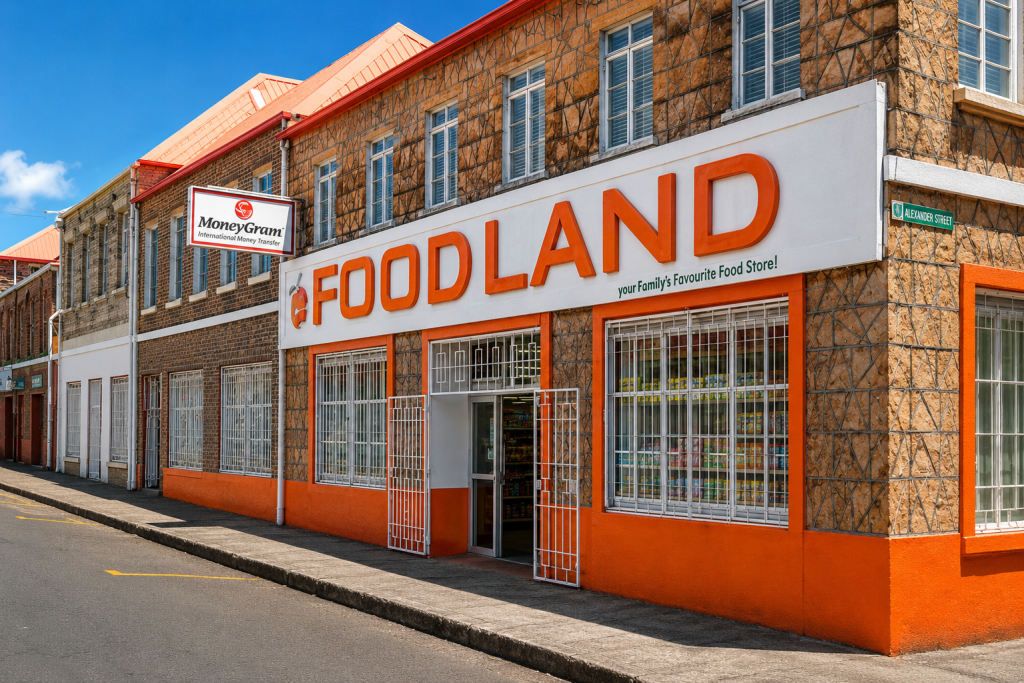
Foodland Grenada, formally known as Huggins Foodland, is one of the island’s leading locally owned supermarket chains and is operated by George F. Huggins & Co. (Grenada) Ltd. With its flagship Market Square location in downtown St. George’s operating since 1974, originally under the name Buy Rite!, Foodland has become a trusted shopping destination for both residents and visitors. The supermarket is deeply connected to Grenada’s agricultural community through its “Cash for Crop” program, which purchases fresh fruits and vegetables directly from local farmers, helping to support local agriculture while supplying customers with fresh produce. For travelers staying in St. George’s, Foodland is often considered Grenada’s equivalent of a specialty grocery store, offering an impressive selection of imported products, health foods, specialty ingredients, almond milk, smoked salmon, and familiar international brands that visitors may be accustomed to at home. Another feature appreciated by many shoppers is its detailed itemized receipts, making it easy for vacationers and families to track grocery spending throughout their stay.
Ram’s Supermarket
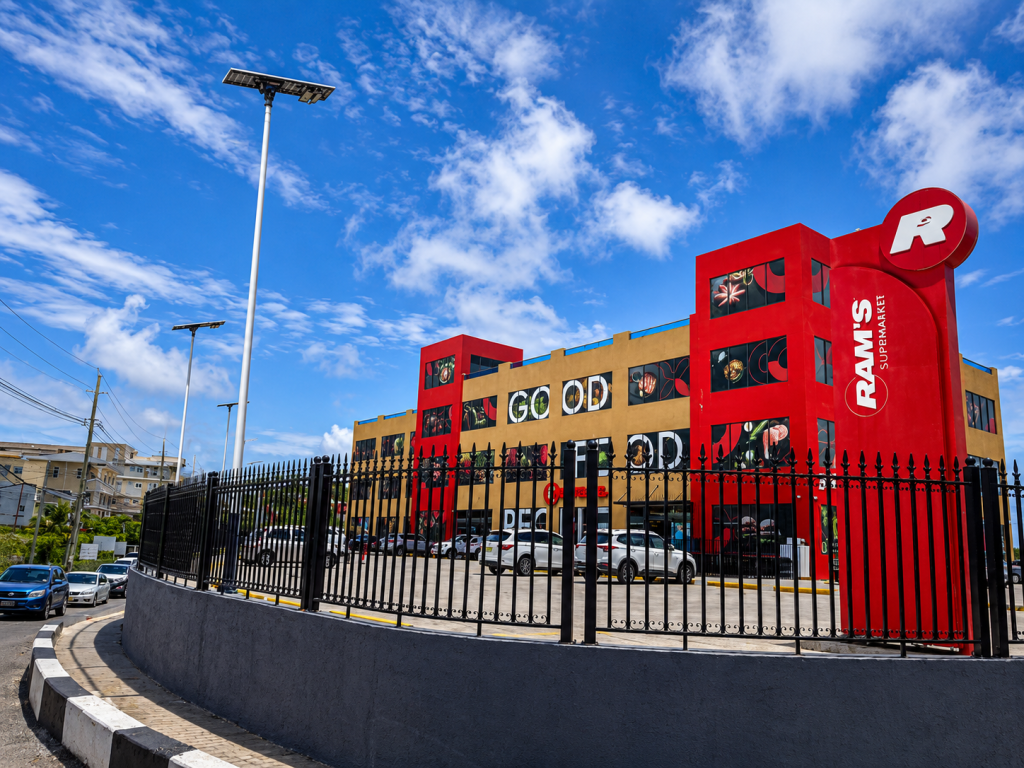
Ram’s Supermarket is one of the most popular grocery retailers in Grenada and a favorite shopping destination for both locals and visitors. Originally established in St. Kitts and Nevis, this family-owned Caribbean business has built a strong reputation throughout the region and operates a modern, well-stocked location in Grand Anse, conveniently situated opposite the Sugar Mill. Located just 5 minutes from Maurice Bishop International Airport and conveniently on the route to Mt. Parnassus Inn, it is an ideal stop for travelers arriving on the island. Known as “The Good Food People,” Ram’s offers an extensive selection of fresh local produce, regional specialties, imported foods, household essentials, beverages, and everyday grocery items. Many visitors appreciate the store’s variety, competitive pricing, and convenient location, making it easy to stock up on groceries and supplies before heading to their accommodation. In addition to traditional grocery shopping, Ram’s also provides Cash & Carry wholesale services in some locations, catering to families, businesses, vacation rentals, and visitors looking to purchase larger quantities of food and supplies during their stay in Grenada.
Ram’s Hours:
- Monday – Thursday: 8:00 AM – 8:00 PM
- Friday & Saturday: 8:00 AM – 9:00 PM
- Sunday: 8:00 AM – 8:00 PM
Real Value IGA
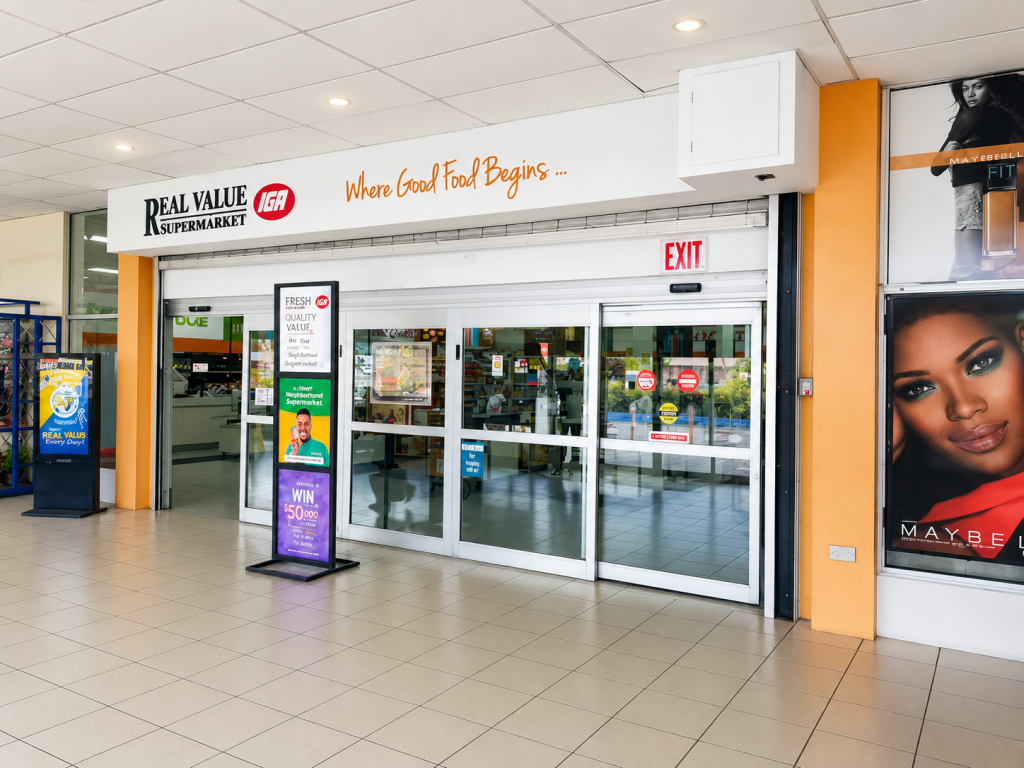
Located in Morne Rouge, just minutes from Grand Anse Beach and St. George’s, Real Value IGA is one of Grenada’s largest and most popular supermarkets. Operating under the internationally recognized Independent Grocers Alliance (IGA) network, it offers a shopping experience that many North American visitors compare to major grocery chains back home. The supermarket is known for its extensive selection of imported products, fresh local produce, quality meats, seafood, pantry staples, and household essentials, making it a favorite among both residents and visitors. Real Value IGA is particularly popular with St. George’s University students and vacation rental guests because of its wide variety of familiar international brands. Beyond traditional grocery shopping, the store offers convenient services such as international online ordering, allowing customers to purchase groceries for family members in Grenada or pre-order supplies before arriving for a vacation stay. Additional conveniences include in-store pickup, free local delivery to parts of St. George’s and St. David, yacht provisioning services, a self-serve salad bar, shopper rewards programs, and price-matching on selected everyday essentials. For travelers seeking a one-stop grocery destination with a broad product selection and modern conveniences, Real Value IGA is often one of the first recommendations on the island.
Budget Tip: Apply for an IGA discount card to receive 5-10% off your grocery bill. It does take several weeks from the time you apply for the card to the time you get it, but it is well worth it.
Local Markets
For the freshest produce and often the lowest prices, local markets are hard to beat.
For travelers looking to save money on groceries in Grenada, the St. George’s Market remains one of the island’s best-kept secrets. While supermarkets offer convenience and extended hours, the market and surrounding roadside vendors often sell fresh seasonal fruits, vegetables, herbs, and locally grown produce at noticeably lower prices. Shoppers can find everything from mangoes, breadfruit, plantains, pawpaw, christophene, dasheen, yams, and coconuts to bundles of fresh thyme, chives, celery, and seasoning peppers harvested from nearby farms. What many visitors don’t realize is that much of the produce sold in supermarkets passes through the same agricultural supply chain, meaning the market frequently offers the freshest products available, often harvested within a day or two of being sold. Early mornings are particularly rewarding, as farmers from rural parishes such as St. Andrew, St. David, and St. Patrick arrive with fresh produce before the crowds build. Another little-known fact is that many Grenadians shop at the market first and then visit supermarkets only for imported goods, meats, dairy products, and household items. Prices can fluctuate based on the season, but shoppers who are flexible often find significant savings compared to supermarket rates. Visitors should keep in mind that most vendors operate on a cash-only basis, receipts are uncommon, and bargaining is generally less aggressive than in many other Caribbean destinations. Instead, regular customers are often rewarded with an extra handful of herbs, an additional fruit, or a slightly better price, reflecting the community-oriented nature of shopping in Grenada.
Store Hours and Holidays
Unlike shopping in the United States, where grocery stores are open 7 days a week and for extended hours, shopping in Grenada, West Indies is a little different.
Some of the grocery stores are closed on Sundays, which means you need to plan accordingly if you plan to cook on Sundays or provision for your next sailing destination.
Several of the grocery stores are closed on Grenada’s major holidays, including during Carnival.
Hidden Food Costs Tourists Don’t Expect
One of the lesser-known expenses visitors encounter in Grenada is the indirect cost of getting food. While many travelers focus on grocery prices, transportation can quietly add to the overall food budget. Every trip to the supermarket involves fuel, taxi fares, bus fares, or simply valuable vacation time that could be spent enjoying the island. Visitors who plan meals in advance and shop strategically often spend considerably less than those making frequent last-minute grocery runs throughout the week. Convenience can also come at a premium. Small neighborhood shops and mini-marts are excellent for picking up essentials, cold drinks, snacks, or forgotten ingredients, but their prices are typically higher than larger supermarkets due to smaller inventories and higher operating costs. Another factor many visitors overlook is location. Accommodations situated farther from major shopping areas may require additional transportation expenses, especially if a rental car is not available. For the best value, many experienced travelers combine a large supermarket trip shortly after arrival with occasional visits to local fruit vendors and farmers’ markets, where fresh seasonal produce can often be purchased at lower prices while supporting local farmers and businesses.
The Real Food Experience in Grenada
Food in Grenada is about much more than grocery prices. It’s about fresh nutmeg grated into local dishes, mangoes picked in season, fish caught that morning, roadside barbecue stands, local rum shops, and market vendors who know their customers by name. It’s about stopping at a small roadside stall for a freshly cut coconut, buying a bag of seasoning peppers and herbs from a farmer who harvested them that same morning, or discovering a neighborhood bakery where the smell of freshly baked bread drifts into the street before sunrise. Across the island, food remains deeply connected to family, community, and tradition. Recipes are often passed down through generations, and many of the ingredients used in everyday cooking come directly from local farms, fishing communities, and backyard gardens.
Visitors who focus only on prices often miss one of Grenada’s greatest attractions: its food culture. Beyond the supermarkets and grocery stores, the island offers countless opportunities to experience authentic Grenadian flavors. Local favorites such as oil down, roti, pelau, callaloo soup, fried bake, fish cakes, and freshly grilled seafood can be found in restaurants, roadside food stalls, community events, and family-run eateries throughout the island. Seasonal fruits such as golden apples, sugar apples, soursop, passion fruit, guava, tamarind, and West Indian cherries regularly appear in markets and roadside stands, often at a fraction of what visitors would pay elsewhere. Grenada’s reputation as the Spice Isle is also reflected in everyday cooking, where nutmeg, cinnamon, turmeric, ginger, cloves, and fresh herbs are used generously in both sweet and savory dishes.
Whether you’re preparing meals in a vacation rental, dining at local restaurants, shopping at farmers’ markets, or sampling Grenada’s famous street food, the island offers an authentic culinary experience that is every bit as memorable as its beaches and waterfalls. A simple grocery trip can become a cultural experience, introducing visitors to local produce, regional ingredients, and conversations with friendly vendors eager to share cooking tips or recommend seasonal specialties. For many travelers, some of the most memorable moments in Grenada happen around a dinner table, at a market stall, or while enjoying a freshly prepared meal overlooking the Caribbean Sea. Food is not simply something to budget for during a visit to Grenada. It is one of the most authentic and rewarding ways to experience the island itself.
Final Thoughts
Food in Grenada may cost more than some visitors expect, especially when purchasing imported products, premium meats, or specialty items. However, with a little planning and a willingness to embrace local ingredients, most travelers can comfortably stay within a budget of US$25 to US$50 per person per day.
The best advice is simple: shop smart, try local foods, visit the markets, and don’t be afraid to experience the island through its cuisine. Some of the most memorable moments of a Grenada vacation happen around the dinner table.